/filters:format(jpeg,png)/fit-in/300x300/guide_websites/131561/images/69144189_2238004852934656_3619788142032191488_n.jpg)
/filters:format(jpeg,png)/fit-in/237x80/guide_websites/131561/images/69144189_2238004852934656_3619788142032191488_n.jpg)
Copper Rockfish Caught in Garden Grove CA
Copper Rockfish Fishing in Garden Grove - What to Expect
%2F%2Fusers%2F265278e2-0776-479e-9581-d8125fa9d6ce%2Fimages%2Fcopper-rockfish-garden-grove-catch-2683.jpg&w=1920&q=75)
Fishing Activity Charter by Captain Riley Ngy in May
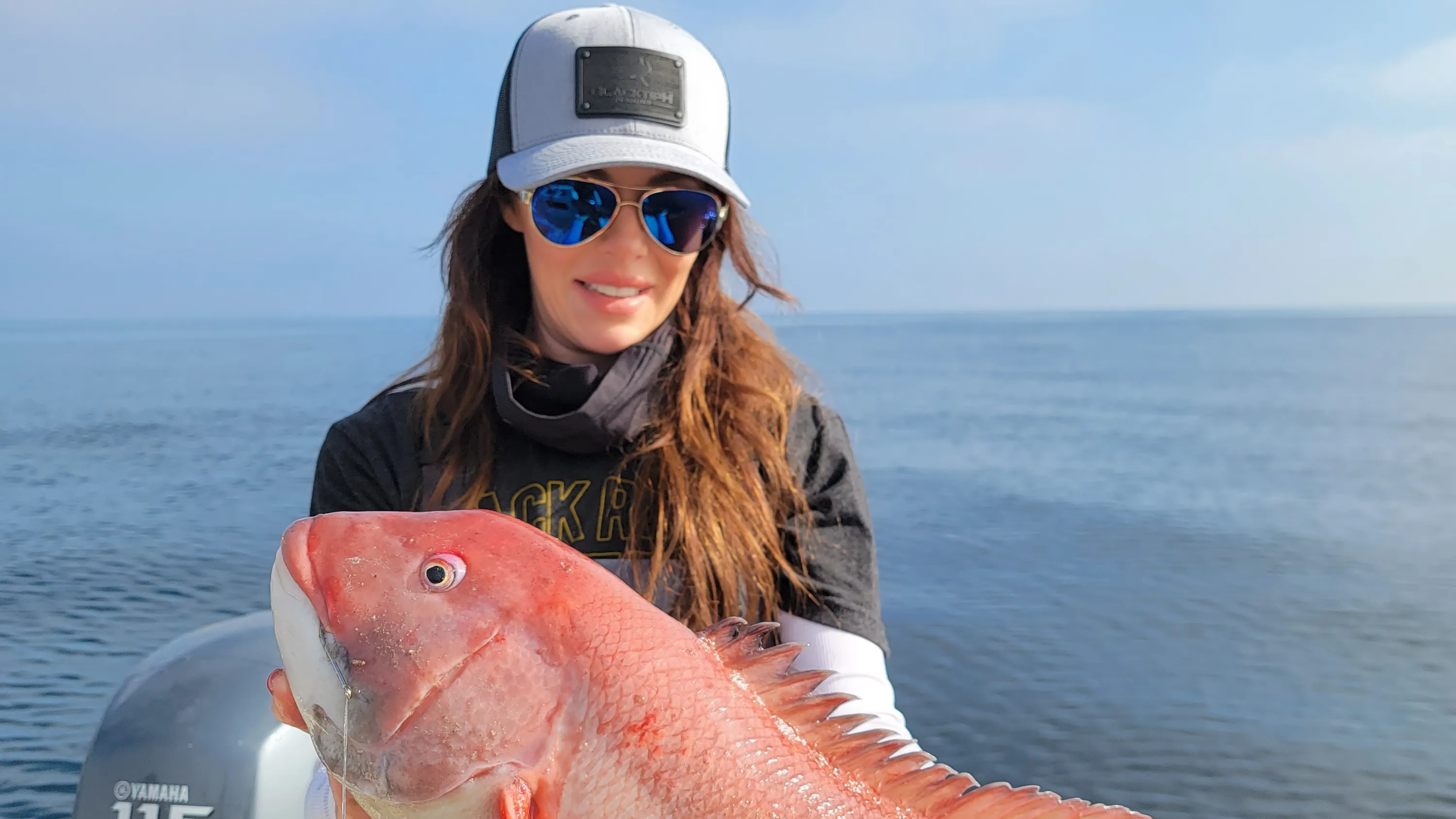
Meet your Captain Riley Ngy
- Long Beach & Southern California Fishing Charters


Summary
Join Captain Riley Ngy of Big Bass Dreams Sportfishing on a fishing activity charter in Garden Grove, California for an unforgettable Wednesday in May. This coastal experience targets copper rockfish, one of the region's most prized catches. Discover why local anglers trust this seasoned captain to deliver authentic saltwater fishing adventure with expert guidance and proven results.
Fishing Activity with Captain Riley Ngy - Rates & Booking
Captain Riley Ngy of Big Bass Dreams Sportfishing welcomes anglers on Wednesday in May for an exciting fishing activity charter along the Garden Grove coastline. Contact Big Bass Dreams Sportfishing directly to inquire about rates, booking availability, and current fishing conditions. Captain Riley brings years of local expertise to every trip, ensuring you experience the best this California fishery has to offer. Reserve your spot today and prepare for a day on the water chasing premium catches.
Highlights of Copper Rockfish Fishing
Copper rockfish deliver both challenge and reward for anglers of all skill levels. These hard-fighting fish patrol rocky structures and kelp beds near Garden Grove, providing exciting action throughout the day. The coastal waters around this area create ideal conditions for rockfish, with distinct seasonal patterns that Captain Riley knows intimately. Whether you are a seasoned angler or stepping onto a charter for the first time, the combination of scenic ocean views and quality fishing makes this experience memorable.
Local Species Insights: Copper Rockfish
Copper rockfish are named for their distinctive reddish-bronze coloring and thrive in California's rocky coastal environments. These fish inhabit depths ranging from nearshore kelp forests to deeper reef structures, making them accessible from well-equipped charter vessels. They are aggressive feeders attracted to live bait and artificials, creating dynamic fishing opportunities as the day progresses. Copper rockfish reach impressive sizes off Garden Grove, with specimens regularly exceeding 12 inches. Their preference for rocky habitat means Captain Riley will position the boat precisely over productive zones where these fish congregate. The copper rockfish fishery here supports both recreational and commercial operations, reflecting the species' abundance and importance to the local marine ecosystem. When hooked, copper rockfish display powerful runs and head-shaking fights that keep anglers engaged from the moment of strike through successful landing. Understanding their behavior patterns and habitat preferences allows skilled captains like Riley to consistently put anglers on producing fish throughout the charter day.
Fishing Activity in California : Copper Rockfish
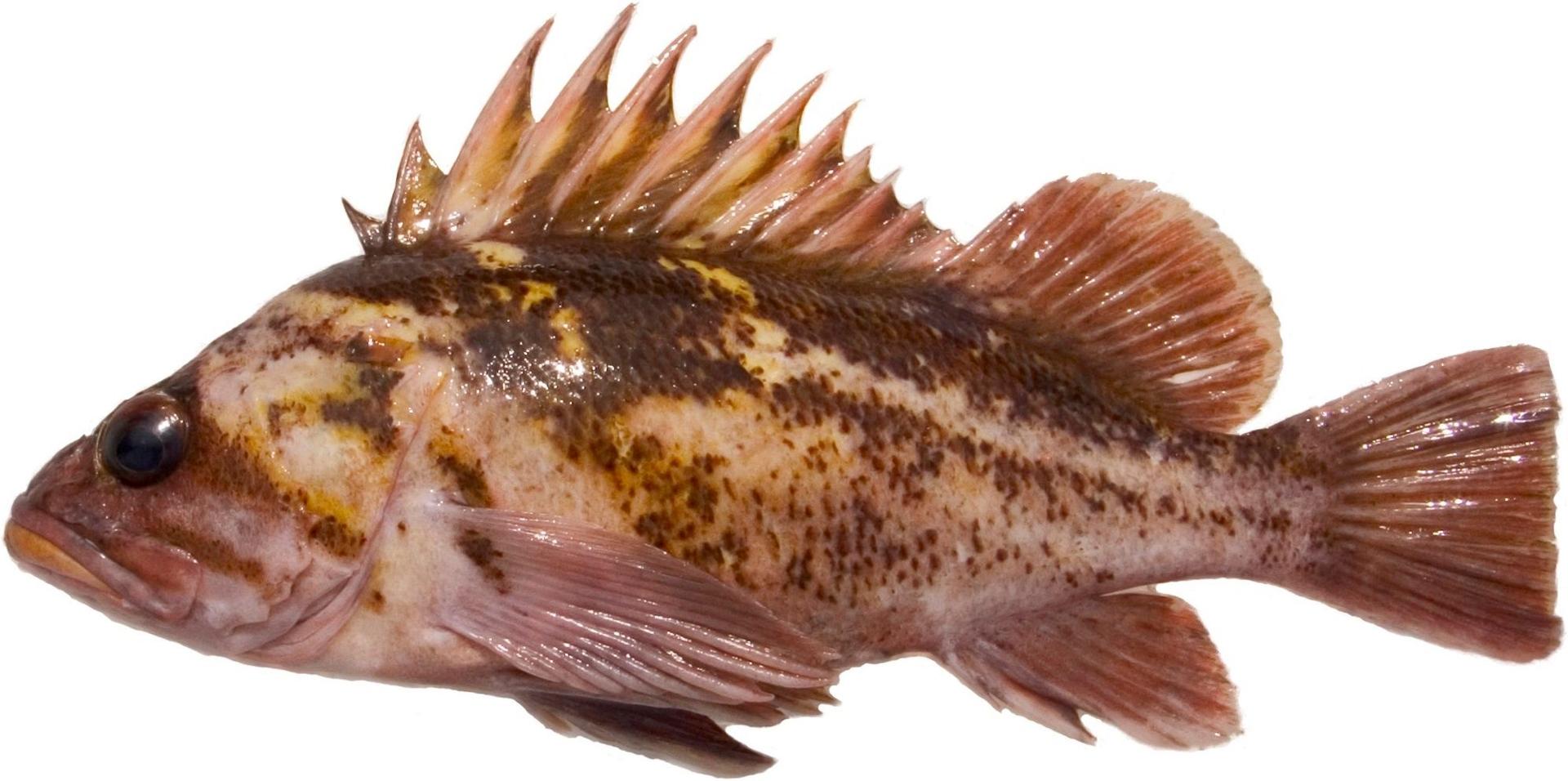
Copper Rockfish Overview
The Copper Rockfish (Sebastes caurinus) is a captivating member of the Sebastidae family within the order Scorpaeniformes, making it one of the Pacific's most recognizable rockfish species. Known for their striking copper-colored blotches and deep-bodied profile, these saltwater dwellers are a favorite among anglers and marine enthusiasts throughout California and beyond. What makes the Copper Rockfish particularly fascinating is their remarkable longevity—living up to 50 years despite their relatively modest size. These fish are perfect for beginners and seasoned anglers alike, offering reliable action in waters from the Gulf of Alaska to Baja California, with some of the most productive fishing grounds found around Santa Monica and Monterey.
Copper Rockfish Habitat and Distribution
Copper Rockfish thrive across the vast Pacific Ocean, with their range extending from the Gulf of Alaska southward to Baja California, Mexico. In the United States, prime locations for encountering these fish are concentrated along the California coast, particularly around Santa Monica, Monterey, and Santa Rosa. These fish are homebodies by nature—once they find a suitable rock crevice or reef structure, they settle in and rarely migrate. They prefer depths ranging from 33 to 600 feet, though they're most commonly found in shallower nearshore waters. You'll discover them congregating around rocky outcrops, kelp forests, coral formations, and even man-made structures like jetties and piers. They maintain a preference for cooler water temperatures between 34° to 60°F, which is why they flourish in Pacific coastal waters year-round.
Copper Rockfish Size and Weight
The Copper Rockfish is classified as a small to medium-sized fish, making it an accessible target for anglers of all skill levels. The average specimen measures around 13 inches and weighs approximately 3.3 pounds, though these fish can grow substantially larger under optimal conditions. Maximum recorded sizes reach 26.4 inches in length, with weights topping out around 10 pounds. What's truly remarkable is that despite their compact frame, individual rockfish can live for five decades or more, growing slowly but steadily throughout their extended lifespan. This longevity means that larger specimens you encounter represent decades of survival in the Pacific's competitive marine environment.
Copper Rockfish Diet and Behavior
As carnivorous predators, Copper Rockfish are opportunistic hunters that primarily target crustaceans, cephalopods (squid and octopus), and small fish. Their feeding behavior is characterized by ambush-style hunting—they remain relatively stationary near their rocky hideaways, striking at passing prey with impressive speed. This sedentary lifestyle makes them excellent candidates for bottom-fishing techniques, as they spend most of their time hugging the seafloor and reef structures. Interestingly, juvenile rockfish begin their lives clinging to kelp forests, where they benefit from abundant food sources and shelter from larger predators. As they mature, they gradually transition to rocky bottom habitats where they establish permanent territories. Their coloration serves a critical camouflage function, allowing them to blend seamlessly with surrounding rocks and coral formations—a adaptation that helps them both hunt and avoid detection by larger predators.
Copper Rockfish Spawning and Seasonal Activity
The most productive time for engaging with Copper Rockfish is during their spawning season, which runs from December through March. During these winter months, these fish are more active and aggressive, making them more likely to strike baits and lures. This seasonal window represents an optimal opportunity for anglers seeking consistent action. Outside the spawning season, they remain relatively accessible year-round, though their feeding intensity may vary with water temperature fluctuations and food availability. Unlike many Pacific fish species, Copper Rockfish are non-migratory, meaning populations remain stable in their established territories throughout the year, allowing you to return to productive spots repeatedly with confidence.
Copper Rockfish Techniques for Observation and Capture
Bottom-Bouncing Method: This is the most effective technique for Copper Rockfish because these fish spend the vast majority of their time on or near the bottom. Use a 6-weight, medium-action fly rod measuring 7 to 8 feet in length, paired with 50-pound test braided line and a 30-pound monofilament leader. Add 10-12 ounce sinkers to reach the bottom efficiently, especially in deeper sections of your fishing grounds. Cast near rocky outcrops and structure, drop your line to the bottom, then execute a rhythmic raising and lowering pattern. This vertical jigging motion simulates fleeing prey and triggers strikes from territorial rockfish. Around Monterey, this technique is especially productive when targeting depth zones between 30-150 feet where structure concentrations are highest.
Jetty and Pier Casting: Copper Rockfish congregate around man-made structures like jetties and piers, making these ideal locations for shore-based anglers. Cast circle hooks in sizes 1/0 to 4/0 baited with worms, shrimp, squid pieces, or minnows directly into rocky crevices and along structure edges. The beauty of this method is accessibility—you need no boat, and the fish are often abundant and aggressive near pilings and rock formations. Early morning and evening hours typically produce best results, though winter spawning season offers reliable daytime action as well.
Lure-Based Approach: Rubber tail jigs and bucktails are exceptionally effective for Copper Rockfish, as are squid and shrimp flies. These offerings mimic natural prey items and allow for more active presentation than bait alone. Cast to rocky structure and work the lure with subtle jigging motions, allowing gravity to do much of the work as you drop and retrieve along the bottom. This method is particularly rewarding because it combines the engagement of active fishing with the high catch rates Copper Rockfish are known for.
Copper Rockfish Culinary and Utilization Notes
While Copper Rockfish are edible, they're not particularly renowned for culinary quality, earning a rating of Poor Odds for food value. Their flesh is mild and somewhat delicate, but many anglers prefer to practice catch-and-release with this species, particularly given their slow growth rates and impressive longevity. The focus for most fishermen is the experience and sport rather than the meal. If you do choose to keep specimens, ensure compliance with local regulations and consider the sustainability implications, as these long-lived fish require years to reach maturity and reproductive size.
Copper Rockfish Frequently Asked Questions
Q: What is the best bait for catching Copper Rockfish?
A: Fresh or frozen shrimp, squid pieces, worms, and small minnows are all highly effective baits. Many successful anglers also report excellent results with rubber tail jigs and bucktail presentations. The key is offering food items that match natural prey—crustaceans and small fish that rockfish actively hunt.
Q: Where can I find Copper Rockfish near Santa Monica or along the California coast?
A: Copper Rockfish are abundant in rocky nearshore and offshore areas throughout California. Around Santa Monica, target rocky points, kelp forests, and pier structures. Monterey Bay and Santa Rosa Island are equally productive. Depths between 30-150 feet typically hold the highest concentrations, particularly around visible rock formations and reef structures visible from above.
Q: Is Copper Rockfish good to eat?
A: Copper Rockfish are technically edible with mild white flesh, but they're considered poor culinary specimens compared to other fish species. Most anglers practice catch-and-release to preserve these long-lived fish populations and because the sport and experience are the primary rewards.
Q: When is the absolute best time to catch Copper Rockfish?
A: The spawning season from December through March offers peak activity and aggressive feeding behavior. However, these non-migratory fish remain catchable year-round in their established territories. Year-round availability makes Copper Rockfish an excellent choice for planning fishing trips at your convenience.
Q: Why are Copper Rockfish sometimes difficult to identify?
A: Copper Rockfish frequently interbreed with other rockfish species, particularly brown and canary rockfish, resulting in color and marking variations that blur species boundaries. Their coloration also adapts to surrounding environments for camouflage, adding to identification challenges. Learning subtle distinguishing features and consulting local fishing guides helps resolve identification uncertainty.
Q: How long do Copper Rockfish live, and does this affect fishing practices?
A: These remarkable fish can live 50 years or longer, growing slowly throughout their extended lifespan. This longevity means larger specimens represent decades of survival and deserve respect. Many conservation-minded anglers practice selective catch-and-release, particularly for larger, older individuals, to ensure population sustainability for future generations.