/filters:format(jpeg,png)/fit-in/300x300/guide_websites/131561/images/69144189_2238004852934656_3619788142032191488_n.jpg)
/filters:format(jpeg,png)/fit-in/237x80/guide_websites/131561/images/69144189_2238004852934656_3619788142032191488_n.jpg)
Barred Sand Bass Caught in Collinsville CA
Barred Sand Bass Fishing in Collinsville - What to Expect
%2F%2Fusers%2F265278e2-0776-479e-9581-d8125fa9d6ce%2Fimages%2Fgarden-grove-barred-sand-bass-2694.jpg&w=1920&q=75)
Fishing Activity Charter by Captain Riley Ngy in May
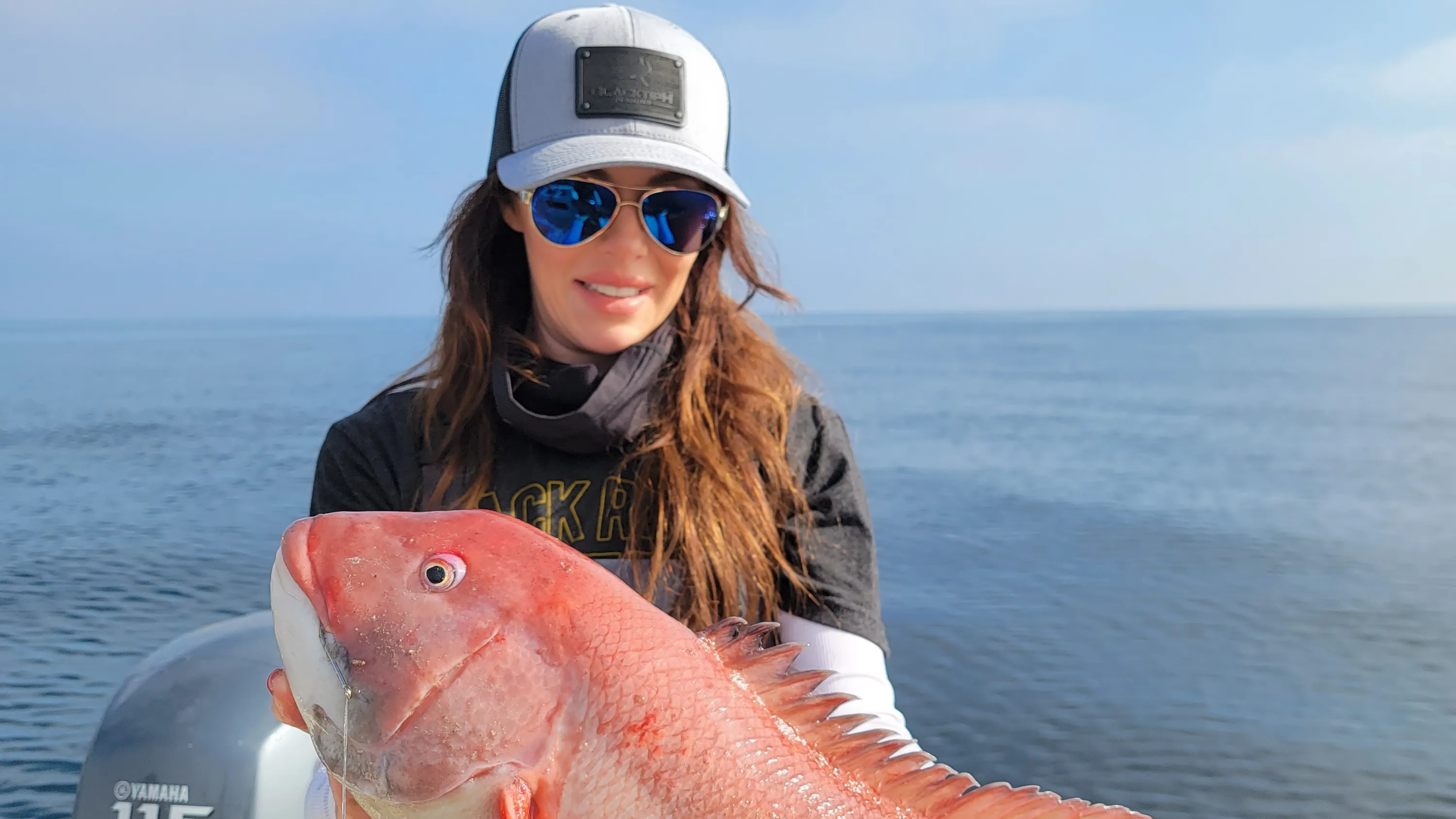
Meet your Captain Riley Ngy
- Long Beach & Southern California Fishing Charters


Summary
Join Captain Riley Ngy of Big Bass Dreams Sportfishing on a Fishing Activity Charter in Collinsville, California for an unforgettable pursuit of Barred Sand Bass. This Wednesday in May showcases the thrill of landing quality fish in prime coastal waters, where skill and local expertise combine for an exceptional angling experience.
Fishing Activity Charter with Captain Riley Ngy - Rates & Booking
Captain Riley Ngy of Big Bass Dreams Sportfishing on Wednesday, May 20 brings decades of local expertise to the waters around Collinsville, California. This Fishing Activity Charter delivers the authentic experience of pursuing Barred Sand Bass in prime coastal habitat. Whether you're a seasoned angler or eager newcomer, Captain Riley tailors each outing to match your skill level and goals.
Big Bass Dreams Sportfishing prioritizes quality over quantity, focusing on sustainable fishing practices and genuine connection with the resource. All essential fishing tackle and gear are provided aboard, so you can focus entirely on the experience. Captain Riley's intimate knowledge of local structure, seasonal patterns, and fish behavior ensures you're fishing the most productive waters at the optimal times.
To book your charter with Captain Riley Ngy, contact Big Bass Dreams Sportfishing directly. Flexible scheduling accommodates various group sizes and experience levels. Inquire about current rates, available dates, and any special requests for your Fishing Activity Charter in Collinsville.
Highlights of Barred Sand Bass Fishing
Barred Sand Bass present an exhilarating challenge that attracts anglers from across Southern California. These hard-fighting fish demand precision casting, proper technique, and an understanding of their habitat preferences. Captain Riley's charter showcases the technical skills required to consistently locate and land these prized catches in the productive waters off Collinsville.
The experience combines the meditative calm of being on the water with explosive moments of action. When a Barred Sand Bass strikes, the fight is immediate and powerful. The satisfaction of successfully landing a quality fish, measuring it on the board, and documenting the catch creates lasting memories that define a perfect fishing day.
Local Species Insights: Barred Sand Bass
Barred Sand Bass thrive in the coastal waters surrounding Collinsville, where structure-rich environments provide ideal hunting grounds. These fish are primarily found over sandy and rocky areas, kelp beds, and shallow reefs where prey concentrates. They're aggressive feeders that respond well to both live bait and artificial lures cast with accuracy and confidence.
Understanding Barred Sand Bass behavior is central to successful fishing. These fish are opportunistic predators that feed most actively during lower light periods, though consistent catches occur throughout the day in the right locations. Captain Riley identifies zones where water temperature, current flow, and baitfish presence converge to create productive fishing. The combination of proper technique, quality tackle, and local knowledge transforms each outing into an educational experience as well as an exciting adventure.
Barred Sand Bass grow to impressive sizes in Southern California waters, with fish ranging from 12 to 20 plus inches. The larger specimens demand respect and strategy. Smaller fish often school, providing action-packed sessions where multiple catches are possible. Each Fishing Activity Charter brings the chance to encounter different size classes and experience the full spectrum of what this fishery offers.
The coastal environment around Collinsville features dynamic conditions that change with seasons and tidal cycles. Spring fishing often delivers excellent results as water temperatures warm and fish increase feeding activity. Captain Riley monitors these environmental factors continuously, adjusting location and technique to maximize your success. The result is an authentic fishing experience grounded in real-world conditions and genuine opportunity.
Fishing Activity in California : Barred Sand Bass
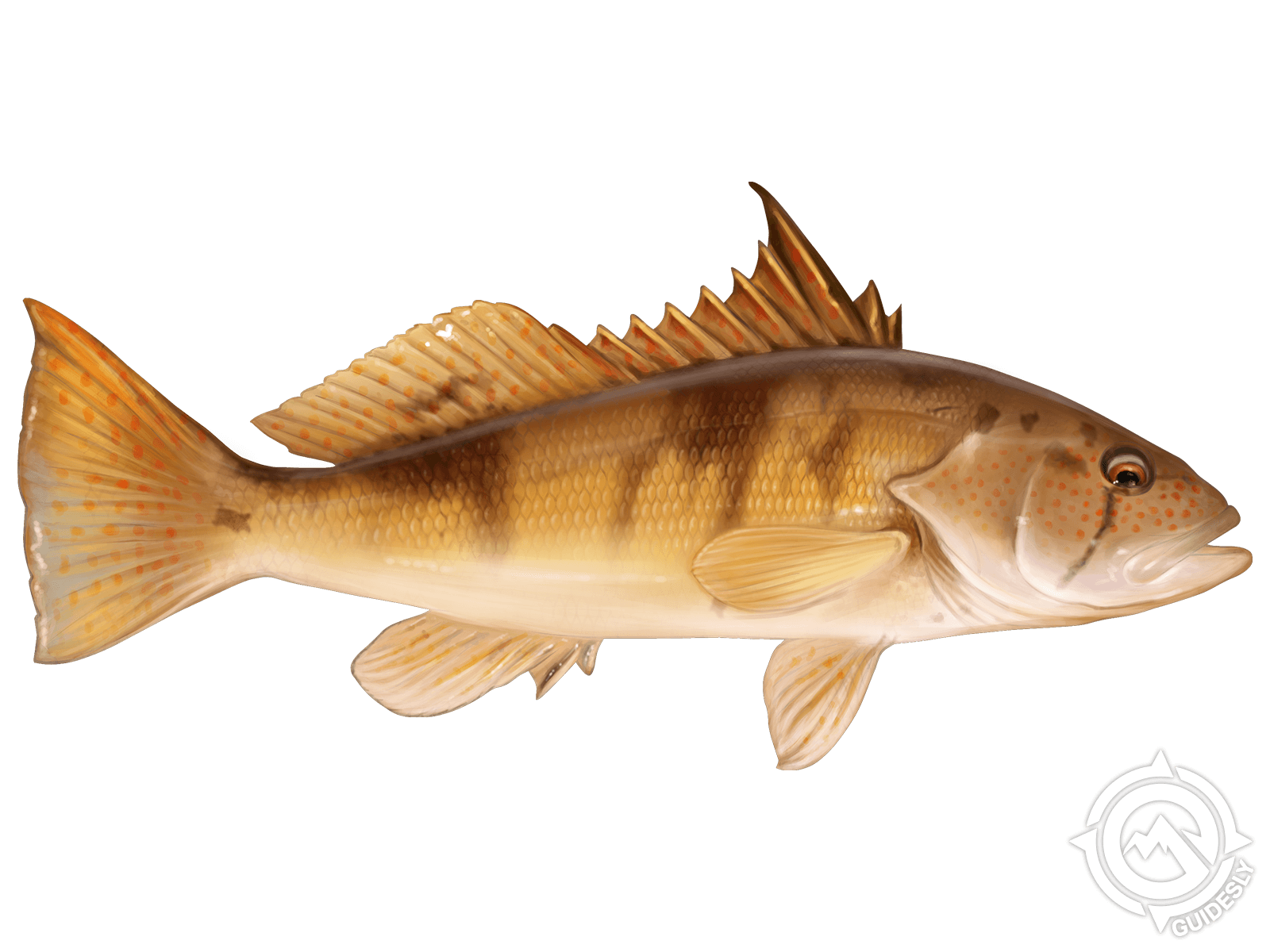
Barred Sand Bass Overview
The barred sand bass (Paralabrax nebulifer) is a spirited game fish belonging to the Serranidae family within the order Perciformes. Found throughout Southern California and Baja California, this species is beloved by inshore anglers for its aggressive feeding habits and seasonal availability. Often called 'grumps' or 'sand bass,' these fish are instantly recognizable by their elongated bodies, distinctive vertical bars, and that characteristic grumpy expression created by their large, protruding mouths. Whether you're fishing off the coast of Southern California or exploring marine ecosystems, the barred sand bass offers exciting encounters and reliable action during its peak season.
Barred Sand Bass Habitat and Distribution
The barred sand bass thrives in sandy bottom environments at depths ranging from shallow waters up to 600 feet, typically congregating in 60 to 100 feet of water during spawning season. They favor areas near kelp beds, rocky outcrops, and sandy substrates where they can hunt effectively. Their geographic range stretches from Santa Cruz in central California down through Baja California to Magdalena Bay, with occasional sightings as far south as Acapulco, Mexico. Young barred sand bass are abundant in shallow coastal waters, making them accessible to shore-based anglers, though the larger, more trophy-sized specimens prefer deeper nearshore zones. The stable populations found throughout their native range benefit significantly from marine protected areas that have restricted commercial harvesting and allowed populations to rebound.
Barred Sand Bass Size and Weight
Young barred sand bass typically reach approximately 7 inches in length within their first few years, while they commonly grow to around 10 inches within five years of life. In average fishing conditions, most catches fall within the 7 to 10-inch range, weighing between 1 and 4 pounds—perfect for exciting light-tackle fishing adventures. However, these fish are capable of exceptional growth; the world record stands at an impressive 26 inches and 13 pounds. With lifespans reaching up to 31 years, older specimens can develop substantially, though such trophy fish are increasingly rare and worth releasing to maintain healthy populations.
Barred Sand Bass Diet and Behavior
The feeding habits of barred sand bass vary dramatically based on their size, showcasing an interesting ecological shift as they mature. Smaller individuals focus on crustaceans and small invertebrates, while medium-sized fish consume a mixed diet of both small prey and larger organisms. Larger barred sand bass become aggressive predators, targeting substantial fish like plain midshipman and octopus. This size-dependent feeding behavior makes them unpredictable and exciting to fish for, as different lures and baits will appeal to different size classes. They're aggressive feeders that will strike just about anything presented to them, making them excellent targets for both novice and experienced anglers. Their active behavior intensifies during evening hours and through the night, particularly during full moon phases when they feed most intensely.
Barred Sand Bass Spawning and Seasonal Activity
Barred sand bass exhibits fascinating reproductive behavior, with spawning occurring during the warmer months from May through October. During this peak season, they migrate from their usual reef habitats to deeper waters around 60 to 100 feet, making them highly catchable and predictable for anglers who time their trips accordingly. One remarkable aspect of their biology is their ability to change sex; some individuals transition from female to male as they age and grow larger, a phenomenon shared with other members of the genus Paralabrax. This protandrous hermaphroditism adds an interesting dimension to population dynamics and makes every fish you encounter potentially unique in its life history.
Barred Sand Bass Techniques for Observation and Capture
Live and Fresh Bait Method: The most effective approach uses live squid as your primary offering, though live anchovies, sardines, or smelt work exceptionally well. Fresh dead squid is equally effective and often easier to manage. Bloodworms and fresh mussels round out your bait arsenal. Cast these offerings to sandy bottom areas near rocks and kelp beds, working depths of 60 to 100 feet. Present your bait near structure and allow it to drift naturally, waiting for the telltale strike.
Plastic Lure Technique: Barred sand bass respond eagerly to plastic lures, with effectiveness varying based on water temperature and conditions. Cast lures to deeper zones and experiment with different depths by sinking at varying rates. Once you locate the feeding depth, concentrate your efforts there. This method works particularly well during evening and night hours when fish are most active.
Boating Method (Recommended): While shore fishing produces occasional catches, boat fishing dramatically increases success rates, especially for larger specimens. Use a slightly stiff six-and-a-half-foot graphite-composite rod rated 12-30 pounds for optimal control, or a heavy freshwater bass rod in the 8-17 pound range. If boating from Southern California ports, lighter rods work better for finesse presentations. Position your boat over sandy bottoms adjacent to rocky structure, then methodically work different depths until you locate feeding fish. Fish this approach at sunset through the night, with peak activity during full moon phases.
Barred Sand Bass Culinary and Utilization Notes
Barred sand bass provides an average culinary experience with mild, flaky white meat suitable for various cooking preparations. While not considered a premium food fish, they offer decent table fare when properly handled and prepared fresh. The meat is somewhat lean and benefits from rich sauces, butter-based cooking methods, or grilling with added oils. Most anglers practice catch-and-release for this species due to their status as a game fish and the availability of superior eating species in the same waters. Sustainability is not a concern given the stable populations and commercial fishing protections, so retaining modest quantities for personal use remains acceptable where regulations permit.
Barred Sand Bass Frequently Asked Questions
Q: What is the best bait for catching barred sand bass?
A: Live squid is the premier choice among Southern California anglers, followed closely by live anchovies, sardines, and smelt. Dead squid is equally effective and often more convenient. Bloodworms and fresh mussels also produce excellent results when other baits aren't available.
Q: Where can I find barred sand bass near Southern California?
A: Sandy bottom areas in 60 to 100 feet of water near rocky structure and kelp beds are your best bets. The waters off central and southern California coast, particularly around established fishing ports, offer reliable populations. Look for areas adjacent to natural reefs and rocky outcrops bordered by sandy substrate.
Q: When is the best time to catch barred sand bass?
A: The prime fishing season runs from May through October when water temperatures are warmest. Within this window, fish most actively during evening hours through the night, with peak action occurring during full moon phases when barred sand bass feed most aggressively.
Q: Can I catch barred sand bass from shore, or do I need a boat?
A: While shore fishing produces occasional catches, boat fishing is significantly more productive, especially for trophy-sized fish. Boats allow access to deeper waters and sandy bottom zones where larger specimens concentrate, substantially improving your odds of success.
Q: What rod and reel setup should I use?
A: For inshore work, a slightly stiff six-and-a-half-foot graphite-composite rod in the 12-30 pound range delivers optimal performance. A heavy freshwater bass rod rated 8-17 pounds also works well. If boating, lighter rods allow for more sensitive presentations and better feel.
Q: Is the barred sand bass population healthy and sustainable?
A: Yes, populations are considered stable and healthy, largely due to marine protected areas along the California coast and the ban on commercial harvesting of this species. This makes barred sand bass a sustainable choice for recreational anglers in Southern California.