

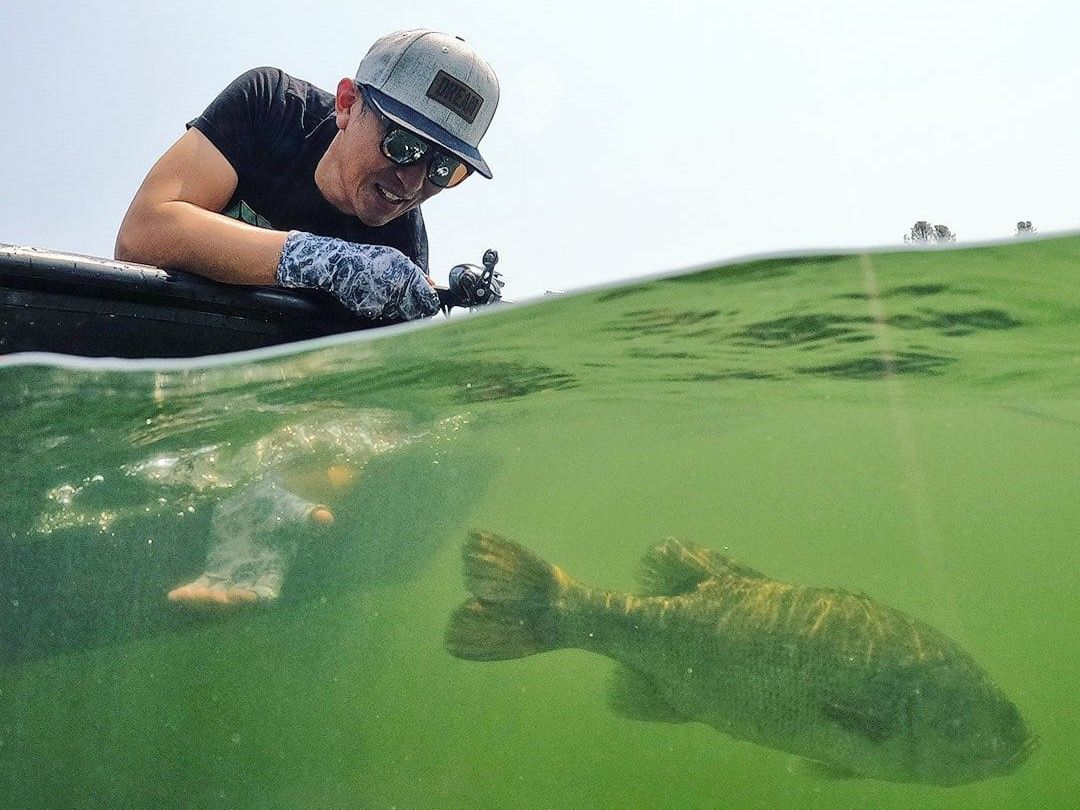


Full-Day Bass Fishing on SoCal Lakes
 Dana Point
What you will be catching:
 Blue Catfish
 Crappie
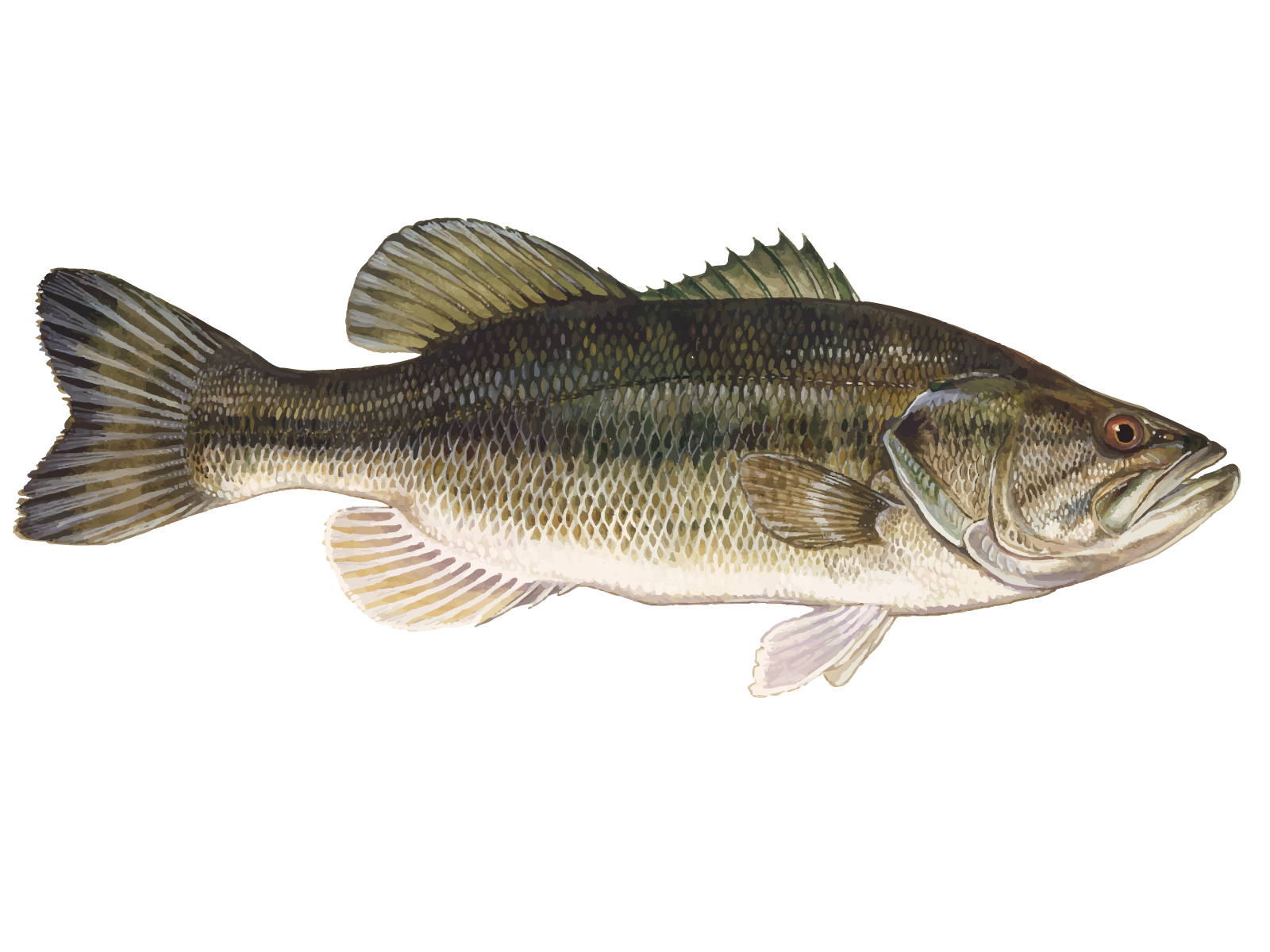 Largemouth Bass
 Rainbow Trout
 Redear Sunfish
- Full-day bass fishing at premier Southern California lakes
- Exclusive small group experience limited to two guests
- Multi-species targeting including largemouth bass and crappie
Trip Pricing and Availabilities:
Full-Day Bass Fishing on SoCal Lakes
Picture this: you're on the water at sunrise, the morning mist still clinging to the surface of Lake Casitas, and your guide is already rigging up the perfect setup for largemouth bass. This 8-hour freshwater fishing adventure puts you right in the heart of Southern California's most productive bass waters, from Ventura County down to North San Diego. With just 2 anglers max, you'll get the personalized attention that makes all the difference between a good day and an absolutely killer day on the lake. Whether you're looking to dial in your technique or just want to spend quality time chasing some seriously chunky bass, this trip delivers the goods.
What to Expect on the Water
Your day kicks off at 6 AM sharp – and trust me, those early morning hours are pure gold for bass fishing. The water's calm, the fish are active, and you've got the whole day ahead of you to work different spots and techniques. Big Bass Dreams knows these lakes like the back of their hand, so depending on conditions, weather, and what's been biting lately, you might find yourself casting into the legendary structure at Lake Casitas or working the shallows at another top-rated fishery in the region. The beauty of an 8-hour trip is that there's no rush – you can really take your time, learn the nuances of each spot, and adjust your approach as the day unfolds. The intimate 2-guest setup means your guide can focus on what you need, whether that's perfecting your hookset timing or finding that perfect retrieve speed that gets the bass fired up.
Light Tackle Techniques
This isn't about chunking heavy jigs all day – we're talking finesse fishing that really puts you in tune with what's happening below. Your guide will have you dialed in with proven light tackle setups that let you feel every tap, every subtle pickup, and every head shake. Think drop shots, shaky heads, small swimbaits, and maybe some topwater action if the conditions are right. The technique focus means you're not just catching fish – you're learning how to read the water, understand bass behavior, and develop that sixth sense that separates weekend warriors from serious anglers. You'll work different depths throughout the day, from shallow spawning areas to deeper structure where the big girls like to hang out. The gear is all provided, but if you've got a favorite rod or reel combo, most guides are cool with you bringing your own setup.
Top Catches This Season
The largemouth bass here are the main event, and Southern California lakes consistently produce some chunky fish that'll get your heart pumping. These aren't your typical pond bass – we're talking fish that have room to grow and plenty of forage to pack on the pounds. The 2 to 5-pound range is pretty standard, but don't be surprised if something in the 6 to 8-pound class decides to crush your bait. Largemouth bass in these waters are aggressive and smart, using the abundant structure and varying depths to ambush prey. Spring and fall are absolutely prime time when these fish are most active, but even summer and winter can produce solid action if you know where to look and how to present your bait.
Black crappie add a different dimension to your day, especially when the bass bite slows down. These slab-sided fighters are absolute blast on light tackle, and they often school up in good numbers around submerged trees and brush piles. Crappie fishing requires a bit more finesse – they're notorious for their soft bite and paper-thin mouths – but when you dial in the pattern, you can have some seriously fun action. The best part about crappie is that they're excellent table fare if you're looking to take a few home for dinner.
Redear sunfish, locally known as shellcrackers, are underrated fighters that'll surprise you with their strength. They're bottom-oriented fish that love munching on snails and other shellfish, which gives them their nickname. During their spawn in late spring, redears move shallow and become much more aggressive, making them prime targets for light tackle enthusiasts. They're also fantastic eating, with sweet, firm meat that's hard to beat.
Blue catfish round out the mix and can provide some serious rod-bending action when you least expect it. These whiskered bruisers can grow substantial in Southern California lakes and are particularly active during warmer months and into the evening hours. They're opportunistic feeders that'll hit everything from cut bait to artificial lures, and their fighting ability on light tackle is seriously impressive. Don't be shocked if a blue cat takes your bass bait and proceeds to strip line off your reel like it's going out of style.
Time to Book Your Spot
Here's the deal: this trip combines everything that makes freshwater bass fishing in Southern California so addictive. You get expert local knowledge, access to top-rated fisheries, personalized instruction, and a full day to really get into the zone. The 2-guest limit ensures you're not fighting for attention or prime spots in the boat, and the 8-hour duration gives you plenty of time to experience different techniques and locations. Plus, with free cancellation up to 3 days out, you can book with confidence and adjust if Mother Nature doesn't cooperate. Whether you're trying to level up your bass game, introduce someone special to the sport, or just need a solid day away from the grind, this trip hits all the marks. The lakes are loaded, the guides know their stuff, and the fish are waiting – all you need to do is show up ready to have some fun on the water.
Learn more about the species
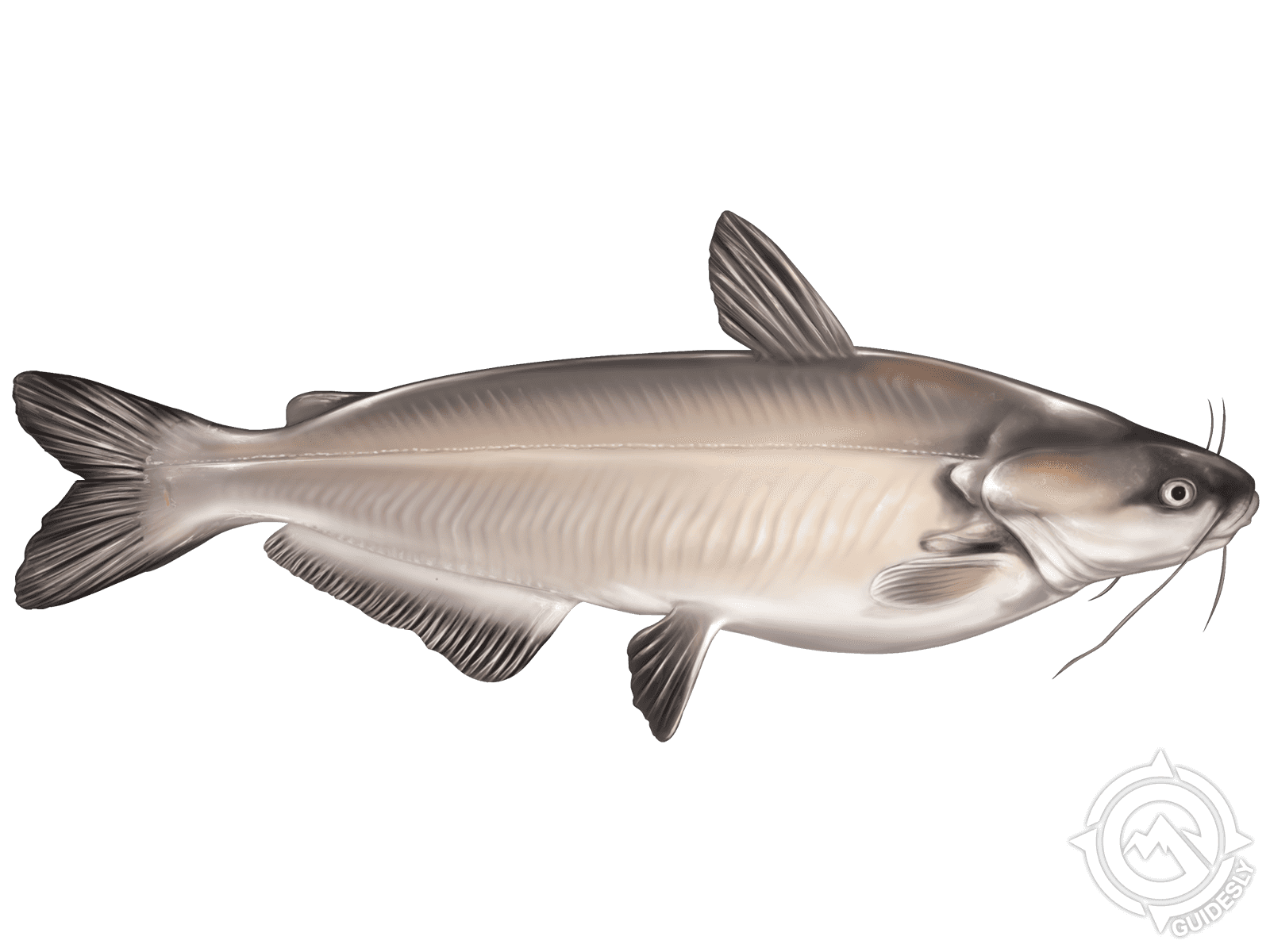
Blue Catfish
Blue catfish are the giants of our freshwater scene, averaging 25-46 inches and often pushing 20+ pounds. They've got slate-blue coloring and that characteristic forked tail. These opportunistic feeders love deep holes, muddy bottoms, and areas near creek channels where they can ambush prey. They're most active in warmer months but can be caught year-round. What draws people to catfish is the potential for a true trophy - plus they're fantastic eating with firm, white meat. They'll give you a serious fight on the way up from deep water. They prefer cut bait like sardines or mackerel, and they're not line shy so you can use heavier tackle. Local tip: let your bait sit on the bottom and be patient. Blue cats are scavengers, so they'll eventually find fresh cut bait. Bring sturdy gloves - they're strong and slimy.
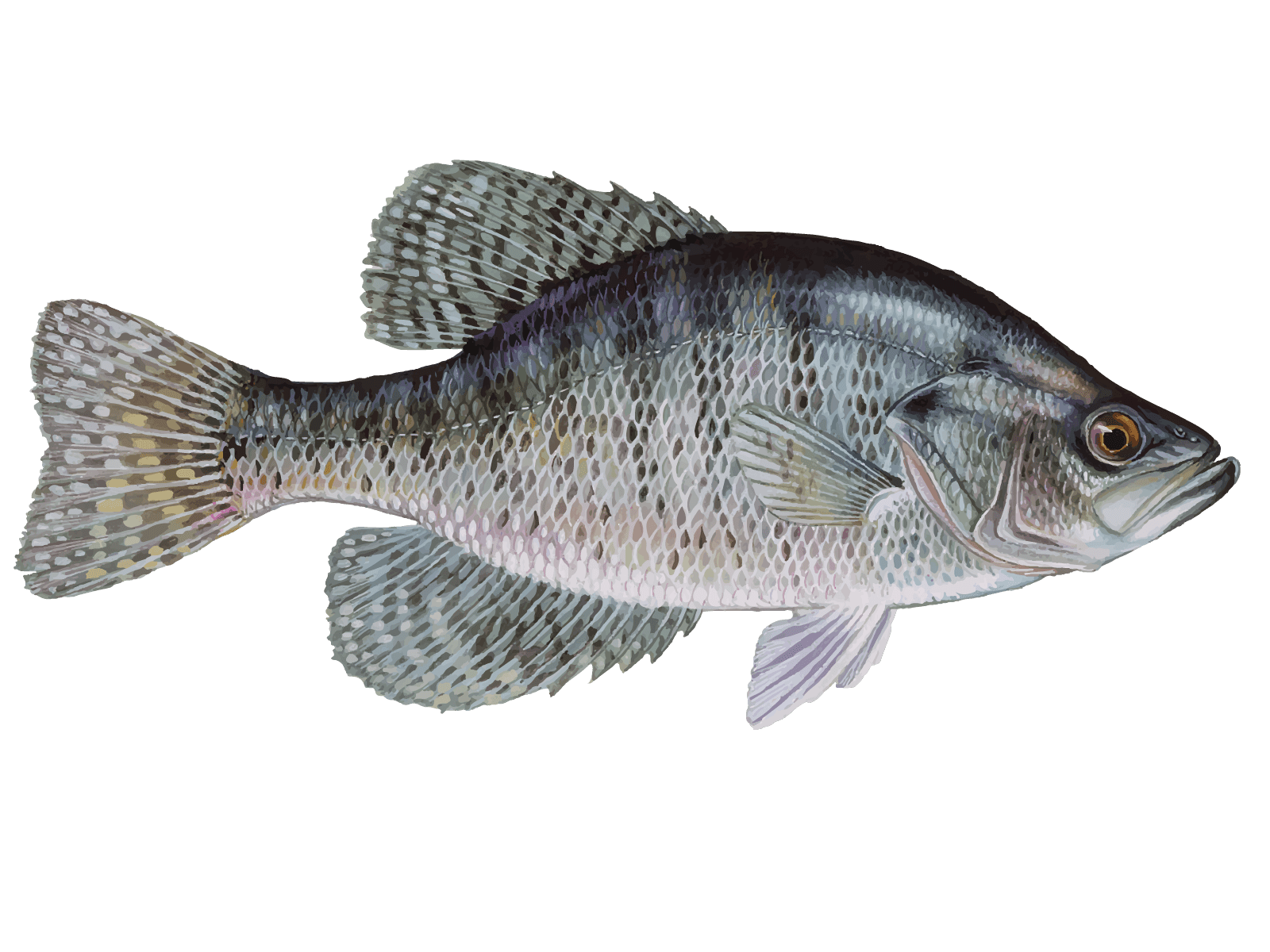
Crappie
Black crappie in our lakes typically run 7-12 inches and weigh about half a pound to a pound. They're schooling fish with silvery sides covered in dark speckles - easy to spot once you find them. Look for them around submerged brush, fallen trees, and deeper structure, usually 8-20 feet down. Spring spawning season is best when they move shallow, but they bite year-round if you find the schools. Crappie are popular because they're excellent table fare with sweet, flaky white meat. They don't fight as hard as bass, but when you find a school, you can catch several quickly. They're also great for getting kids excited about fishing. Here's a local trick: use small jigs or live minnows on light line, and once you catch one, mark the spot. The rest of the school is usually right there.
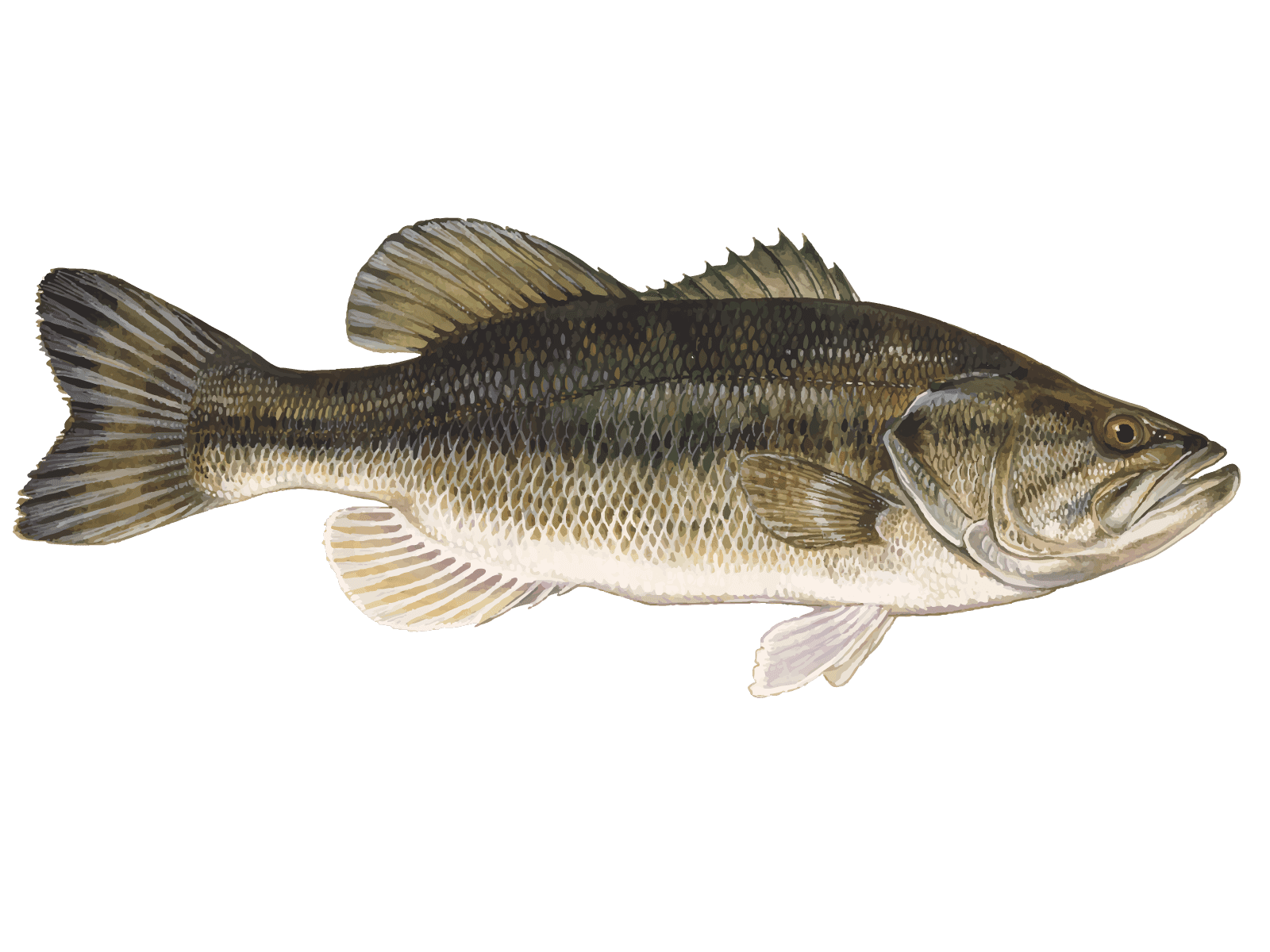
Largemouth Bass
Largemouth bass are the main draw on these lakes, running 12-24 inches and averaging 1-4 pounds. They've got that distinctive big mouth and olive-green color with dark horizontal stripes. You'll find them around structure - fallen trees, weed beds, rocky points, and drop-offs. Spring and fall are prime times when they're actively feeding in shallower water. Summer pushes them deeper during the day, but early morning and evening can be productive. What makes them special is the fight - they'll jump, run, and really test your drag. Plus they're great eating if you want to keep a few. Local tip: in our clear Southern California lakes, downsize your line and use more natural colors. The fish here see a lot of pressure, so being subtle with your presentation makes all the difference.
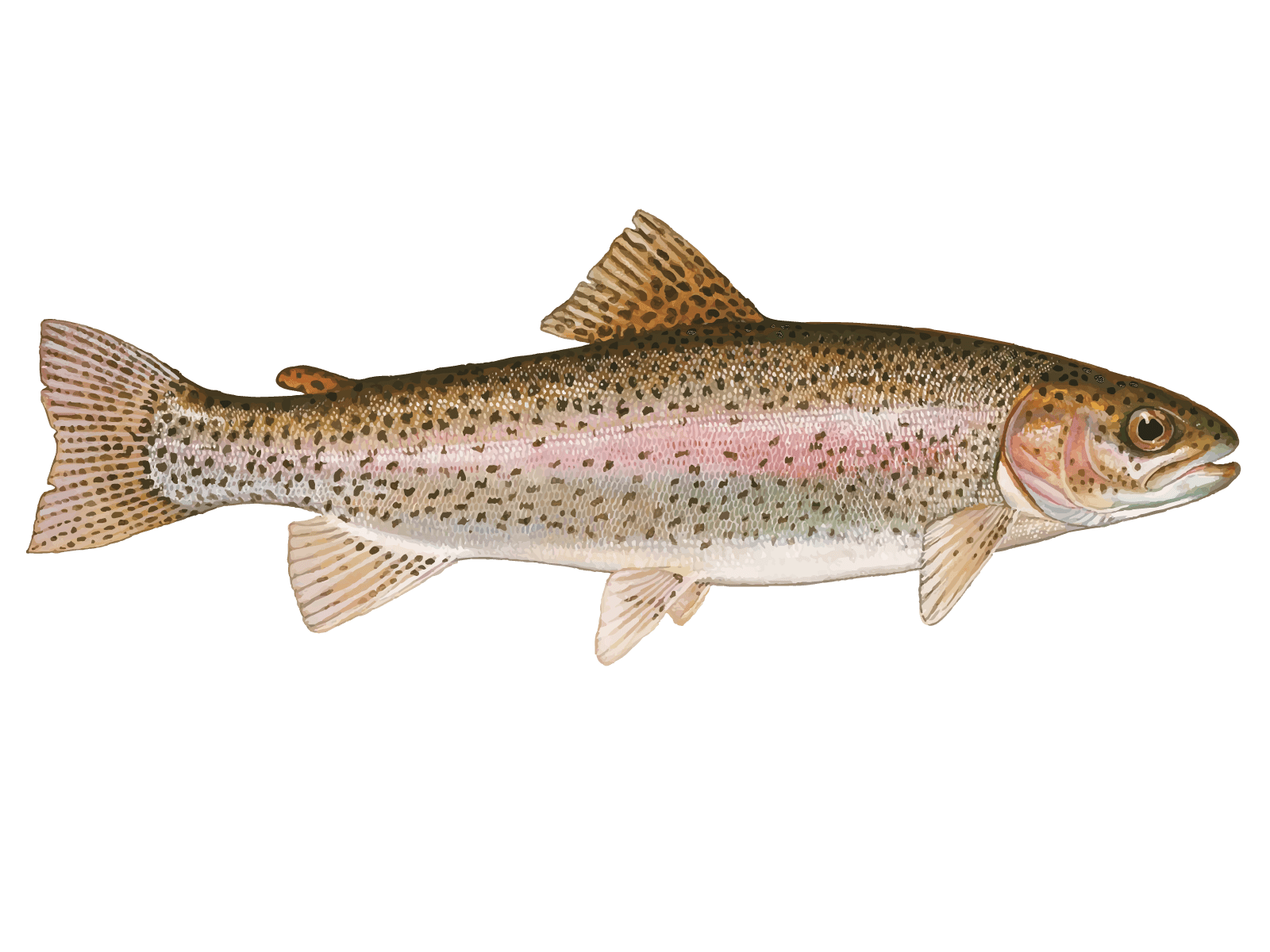
Rainbow Trout
Rainbow trout range 8-24 inches and average 2-8 pounds in our better lakes. They're beautiful fish with that signature pink stripe and spotted sides. You'll find them in cooler, deeper water during summer months, but they move shallow in winter and early spring when water temps drop. They prefer clean, well-oxygenated water near drop-offs and creek channels. Trout are prized for their acrobatic fights - they'll jump and make long runs that test your tackle. The meat is excellent too, with firm pink flesh that grills perfectly. Best fishing is during cooler months from November through March when they're stocked and active. Local tip: these stocked fish respond well to PowerBait and small spinners, but try fishing deeper than most people do. Drop down to 15-25 feet and slow your presentation way down.
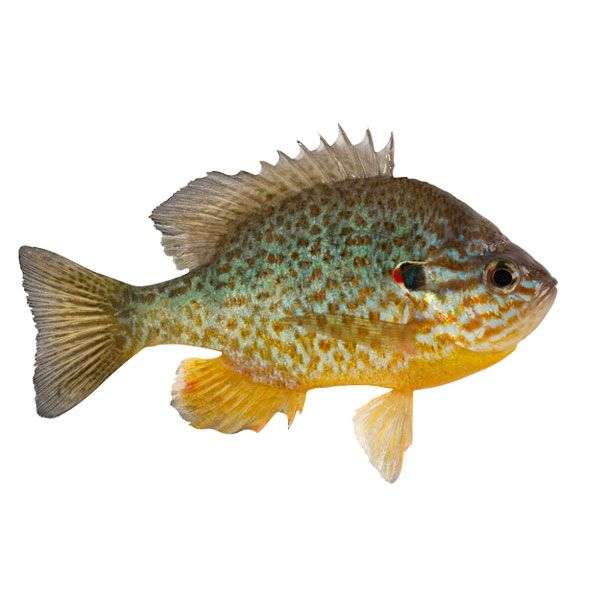
Redear Sunfish
Redear sunfish, or "shellcrackers," run 6-10 inches and rarely exceed a pound, but they're fun on light tackle. They look similar to bluegill but have that distinctive orange-red spot behind the gill. These bottom-feeders love deeper water around 10-15 feet, especially near drop-offs and structure. Spring spawning time is prime - late March through May when they move shallow to nest. What makes them interesting is they're not bait shy and provide steady action when you locate them. They've got specialized teeth for crushing shells, so they'll hit different baits than other panfish. The meat is sweet and firm, great for a fish fry. Local trick: use small hooks with nightcrawlers or red worms, and fish right on the bottom with just enough weight to stay down. They'll often tap-tap-tap before taking the bait.
About the Ranger Z518

Vehicle Guest Capacity: 2
Manufacturer Name: Mercury
Maximum Cruising Speed: 45
Number of Engines: 1
Horsepower per Engine: 150