



8 Hour San Clemente Island Fishing Trip
 Dana Point
What you will be catching:
 California Sheephead
 Pacific Barracuda
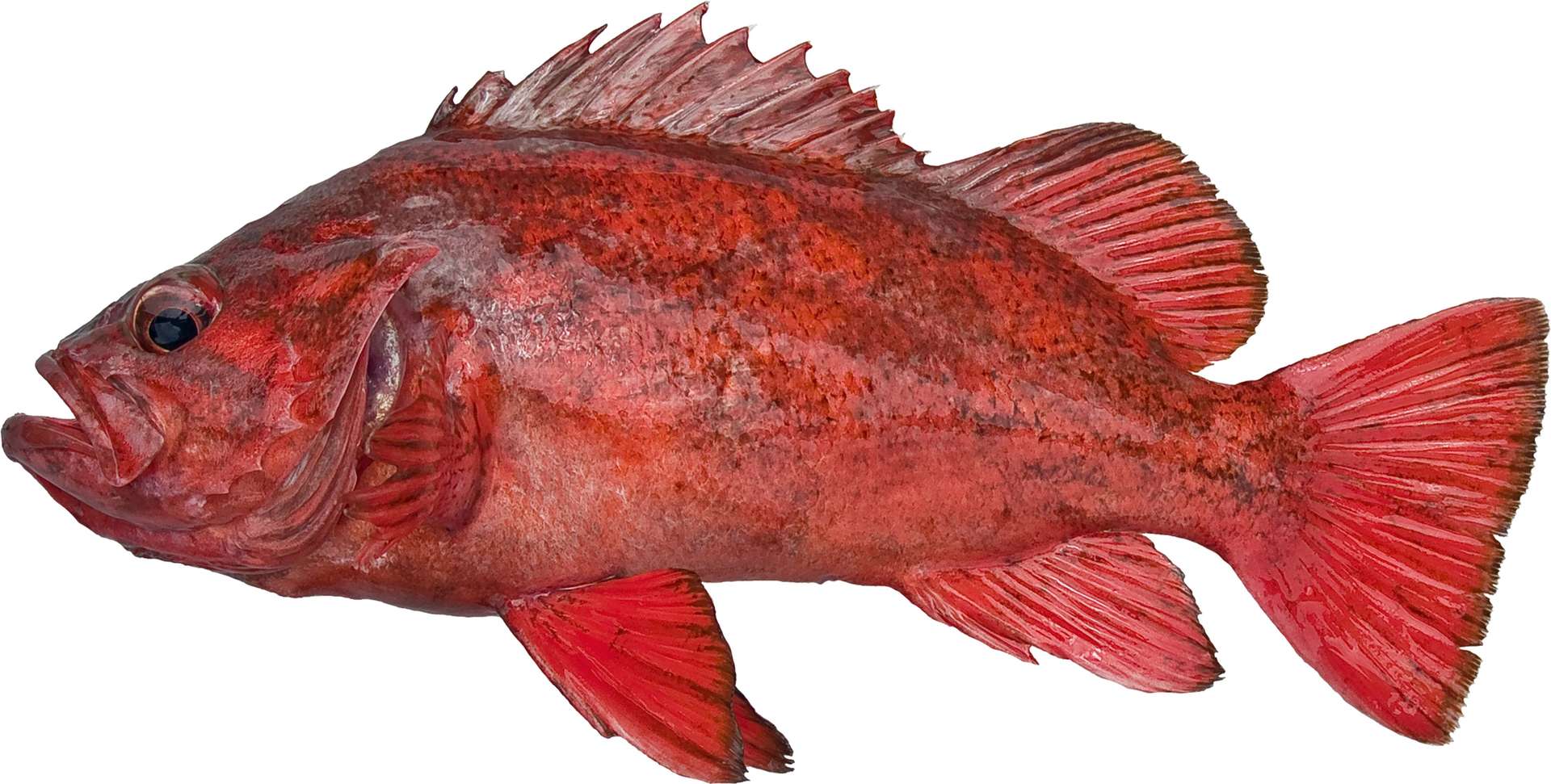
 Vermilion Rockfish
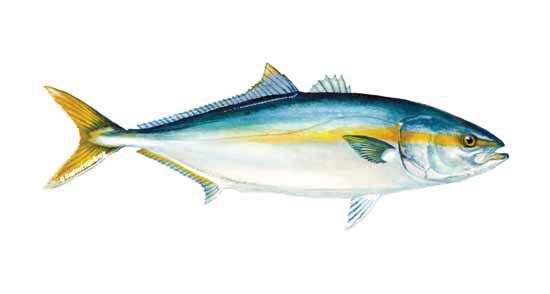
 Yellowtail Amberjack
- Full-day eight-hour Calico Bass and White Seabass fishing adventure
- Maximum four anglers per trip for personalized fishing experience
- Productive waters around two premier Southern California islands
Trip Pricing and Availabilities:
8 Hour San Clemente Island Fishing Trip
Picture this: you're heading out at dawn with just three other anglers, leaving the harbor behind as the sun paints the California coast golden. This isn't your typical crowded party boat experience – it's a full-day adventure to some of the most productive fishing grounds in Southern California. Big Bass Dreams Sportfishing runs these 8-hour island trips to San Clemente and Santa Barbara Islands, where the fishing is as good as it gets and you've got plenty of room to work your lines without bumping elbows.
What to Expect on the Water
We kick off at 6:00 AM sharp, which means you'll want to grab coffee on your way to the dock. The ride out to the islands gives you time to rig up and talk strategy with your captain, who knows these waters like the back of their hand. With only four anglers max, you're getting personalized attention that makes all the difference when the bite gets hot. The beauty of fishing around San Clemente and Santa Barbara Islands is the variety – one minute you're working the kelp beds for calico bass, the next you're dropping down for some quality bottom fish. The structure around these islands creates perfect habitat for everything from hungry yellowtail to hefty white seabass, depending on what Mother Nature serves up that day. Keep in mind that military scheduling can sometimes throw a wrench in plans around San Clemente, so definitely call ahead to lock in your date. Weather plays a big role too – these island trips depend on decent conditions, but when it all lines up, you're in for some world-class fishing.
Techniques & Tackle
This operation focuses heavily on artificial techniques, which keeps things exciting and active throughout the day. You'll be working everything from swimbaits and plastics in the kelp to iron jigs when the pelagics show up. The rocky structure and kelp forests around these islands are perfect for pitching soft plastics, and when calico bass are on the feed, they'll crush a well-presented swimbait with authority. For the bottom fishing action, you'll drop down with heavier tackle to pull up whitefish, sculpin, and sheephead from the deeper structure. The shallow water rockfish bite can be fantastic too, especially when you find the right spots along the island's underwater ledges. Don't be surprised if your captain switches up techniques throughout the day – that's part of what makes these trips so productive. One hour you might be vertical jigging, the next you're casting into the kelp line. The key is staying flexible and being ready when the fish turn on. Most of the gear you'll need is provided, but if you've got favorite rods or preferred tackle, feel free to bring them along.
Target Species You'll Hook
Vermilion rockfish are absolute beauties and one of the most sought-after bottom fish around these islands. These bright red fighters typically run 3 to 8 pounds and love the deeper rocky structure. They're most active during the cooler months, though you can find them year-round if you know where to look. What makes vermilions so special is their fight – they use every inch of structure to try and break you off, making each hookup a real battle. Plus, they're excellent table fare, which is why so many anglers specifically target them.
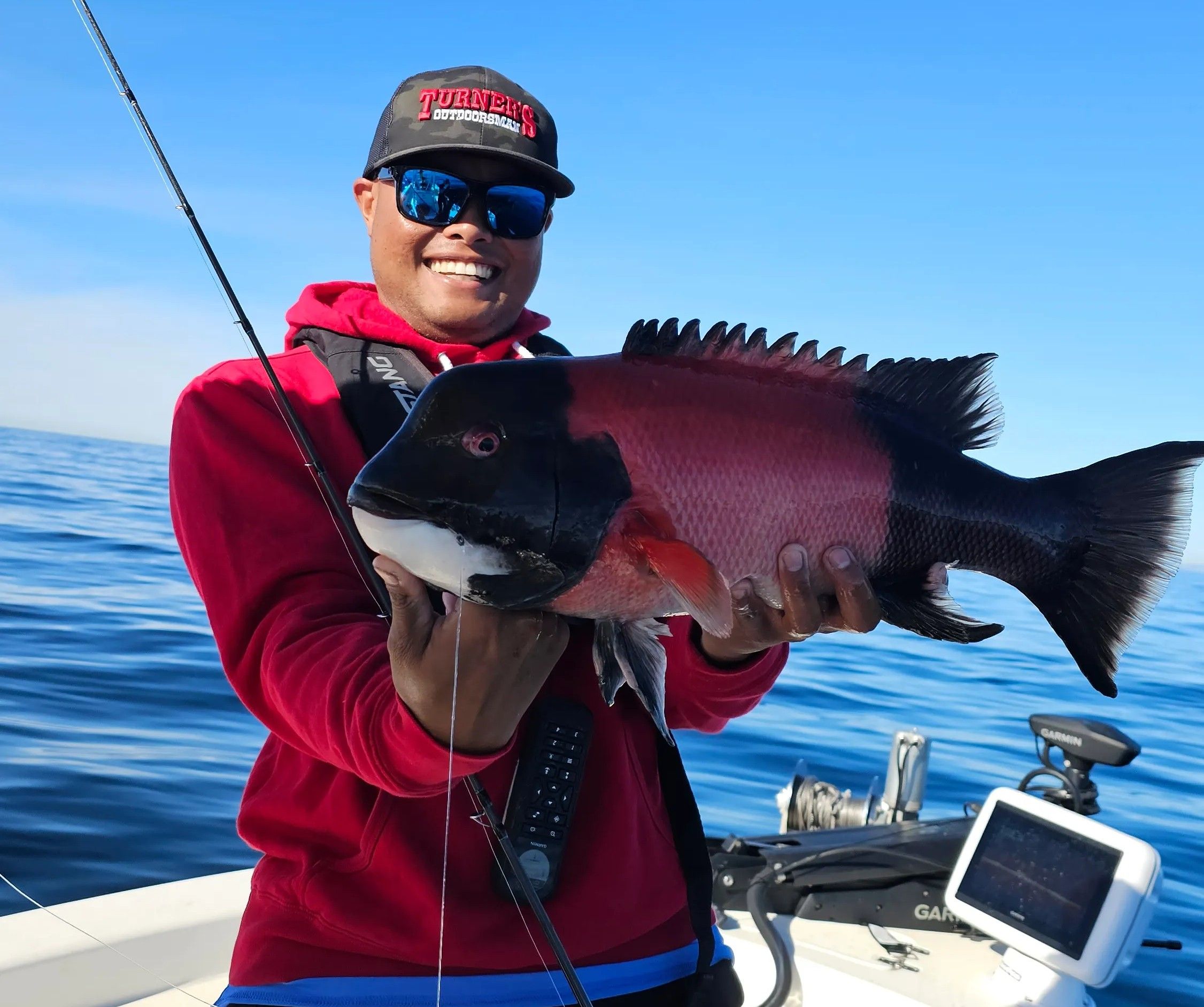
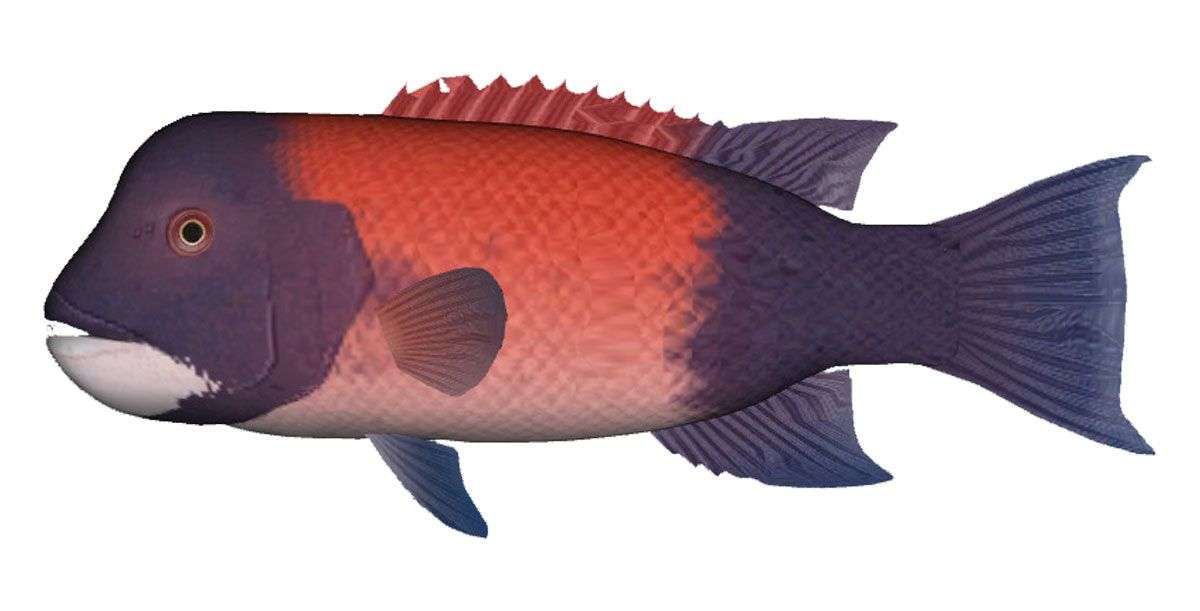
California sheephead are the bulldogs of the kelp forest, and hooking into a big male is something you won't forget. These fish can reach 20+ pounds, with the males sporting that distinctive black and white coloration and prominent forehead. Spring through fall is prime time, when they're most active around the kelp beds and rocky areas. Sheephead have powerful jaws designed to crush shellfish, so once you hook one, you better be ready for a serious tug-of-war. They're incredibly smart fish too – they'll try every trick in the book to wrap you up in kelp or structure.
Yellowtail amberjack are the speedsters that get your heart pumping. When schools move through the area, usually from late spring through early fall, the action can be absolutely electric. These fish average 15 to 25 pounds but can push 40+ when you find the right schools. They hit hard and make blistering runs that'll test your drag and your arms. The best part about yellowtail fishing around the islands is they often travel in good-sized schools, so when you find them, you can hook multiple fish before they move on.
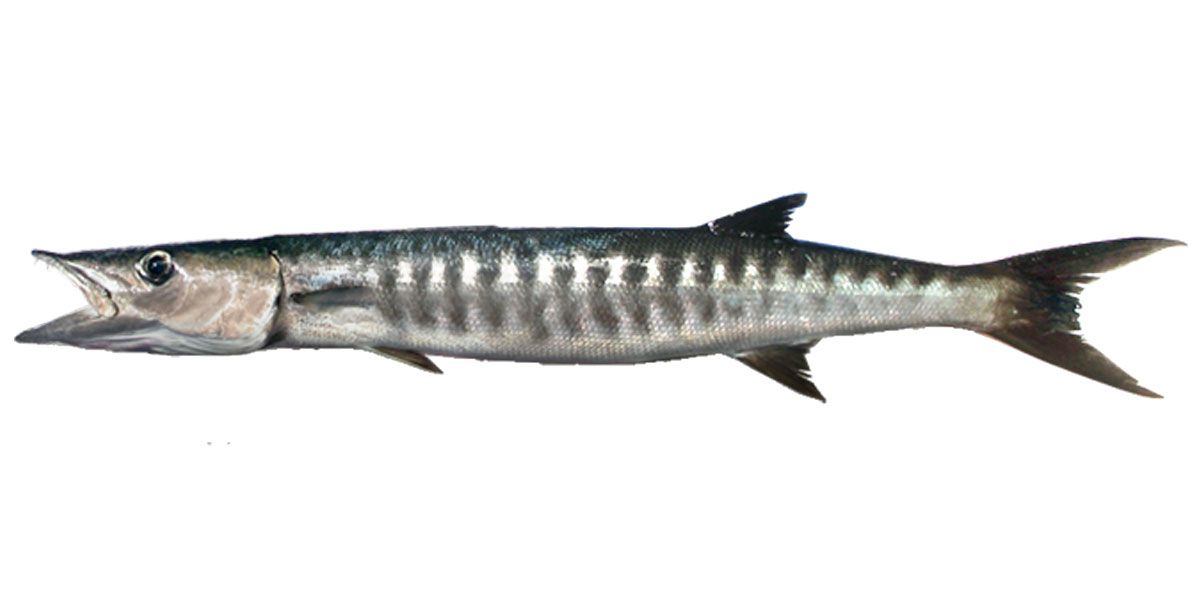
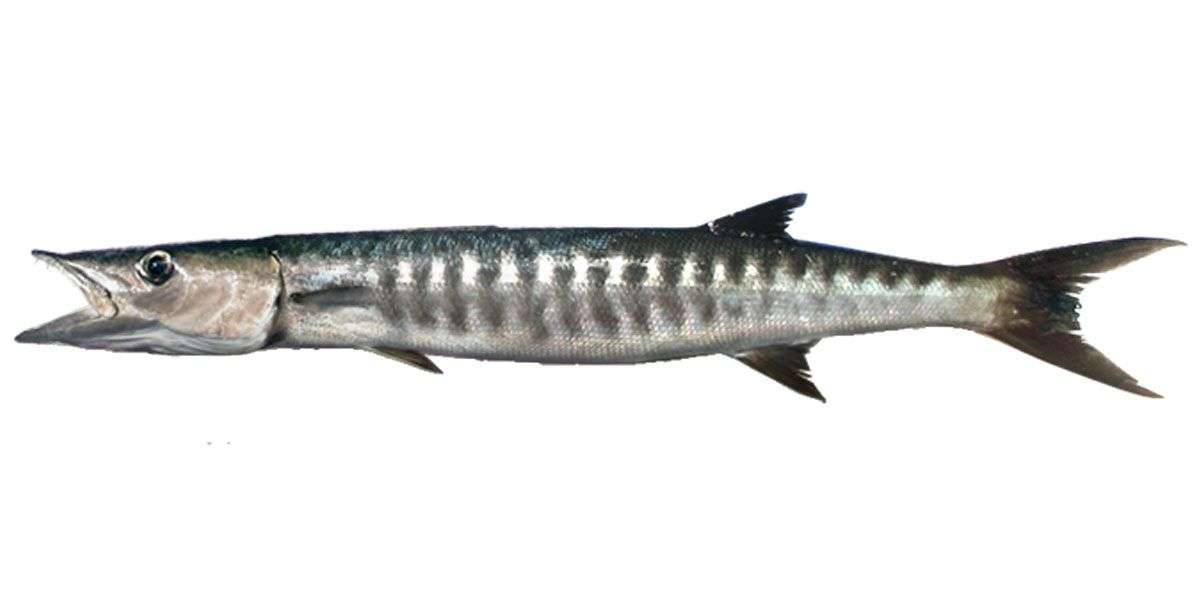
Pacific barracuda might not be the biggest fish you'll catch, but they more than make up for it in attitude. These silver bullets have razor-sharp teeth and lightning-fast strikes that'll catch you off guard every time. They're most abundant during the warmer months and can be found anywhere from shallow kelp beds to deeper offshore waters. What's fun about barracuda is they're opportunistic feeders – they'll hit everything from live bait to flashy lures, and their acrobatic fights make for great action when other species are being finicky.
Time to Book Your Spot
This 8-hour San Clemente Island trip delivers exactly what serious anglers are looking for – variety, quality fishing, and room to actually enjoy your day on the water. With just four spots available, you're getting a premium experience that beats the heck out of being sardined onto a cattle boat. The combination of kelp forest fishing, bottom structure, and open water opportunities means you'll rarely have a slow moment. Big Bass Dreams Sportfishing has dialed in these island runs, and their local knowledge shows in the fish counts. Whether you're after that trophy calico bass or hoping to load up on quality bottom fish for the dinner table, this trip puts you in the right place at the right time. Don't wait too long to book – these small-group trips fill up fast, especially during peak season. Give them a call, check the weather window, and get ready for some of the best fishing Southern California has to offer.
Learn more about the species
California Sheephead
California sheephead are some of the toughest fighters you'll encounter around the islands. Males are easy to spot with their black heads and tails, bright orange midsection, and that distinctive fleshy bump on their forehead. Females are more pink-orange without the black coloring. They typically run 2-20 pounds, but we see some monsters up to 35 pounds around San Clemente. These wrasse live in kelp forests and rocky reefs, usually 10-30 feet down. Summer through fall is prime time when they're most active. What guests love is the fight - they use every rock and kelp strand to try breaking your line. The meat tastes like lobster too. Here's the key: once you hook one, keep steady pressure and don't let them reach the rocks. Use heavy tackle with 40-pound leader because they'll test every knot.
Pacific Barracuda
Pacific barracuda are aggressive predators that put on a real show when hooked, often jumping and thrashing at the surface. They average around 35 inches and 10 pounds, but we see 4-footers pushing 18 pounds around the islands. These silver torpedoes cruise near the surface around kelp forests and reefs, sometimes down to 120 feet. Spring and fall are prime time for bigger adults migrating through our waters. What anglers love is their explosive strike and acrobatic fight - they're like miniature tarpon. They have incredible eyesight and will chase anything that moves fast. The trick is to keep your lure moving steadily to trigger their chase instinct. Use surface iron in purple-white or black-white, and make long casts. Once you hook up, hold on tight because they'll go airborne immediately. Their razor teeth mean you need a wire leader or heavy fluorocarbon.
Vermilion Rockfish
Vermilion rockfish are bright red beauties that average 14-22 inches and weigh up to 15 pounds, though we've seen 30-inchers out here. They hang around rocky bottoms and reefs between 100-500 feet, with younger fish preferring shallower kelp beds. These guys can live up to 100 years and get pretty territorial, often staying in the same home spot for years. They feed on small fish, squid, and krill. What makes them fun to target is their solid fight and excellent table fare. Around the islands, we find them consistently on the deeper structure. Pro tip: when fishing for vermilion in deeper water, use a two-hook rig with squid strips - they can't resist it. Light tackle works fine since they're not the strongest fighters, but the steady action keeps everyone happy.
Yellowtail Amberjack
Yellowtail are the prize fish that bring people back to the islands year after year. These silver bullets with bright yellow fins typically run 15-25 pounds, but 40-pounders show up regularly around San Clemente and Santa Barbara islands. They're fast, strong swimmers that'll test your drag and your arms. Summer is peak season when warm water brings them up from Baja. Look for them around kelp beds, rocky reefs, and drop-offs where they hunt sardines and squid. What makes them special is the fight - they'll make long runs and never give up easy. Plus, they're fantastic sushi fish. The secret is using live bait and heavy tackle. When you hook up, don't horse them - let them run and work them up slowly. If they get into the rocks, you're done. Wear gloves because that braided line will cut you up during a long battle.
About the Big Bass Dreams Sportfishing

Vehicle Guest Capacity: 4
Manufacturer Name: Yamaha
Maximum Cruising Speed: 35
Number of Engines: 1
Horsepower per Engine: 300