

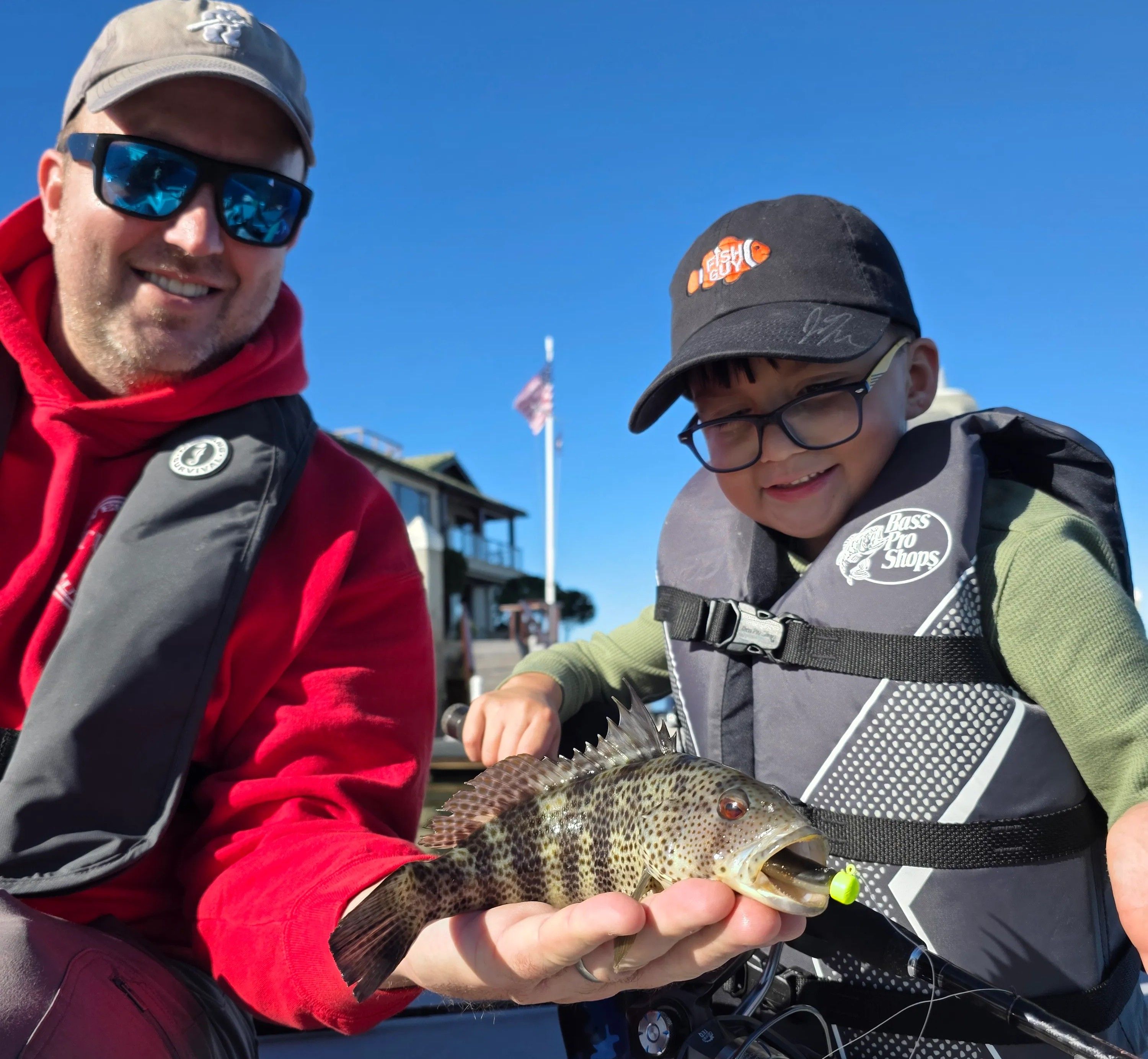


8 Hour Harbor Fishing Training Experience
 Dana Point
What you will be catching:
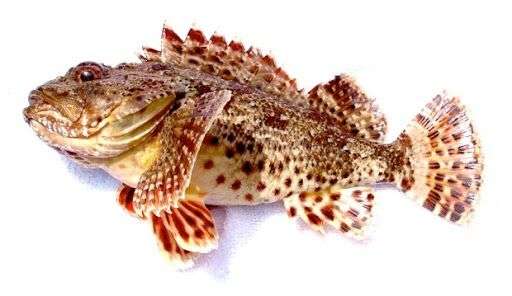
 California Scorpionfish
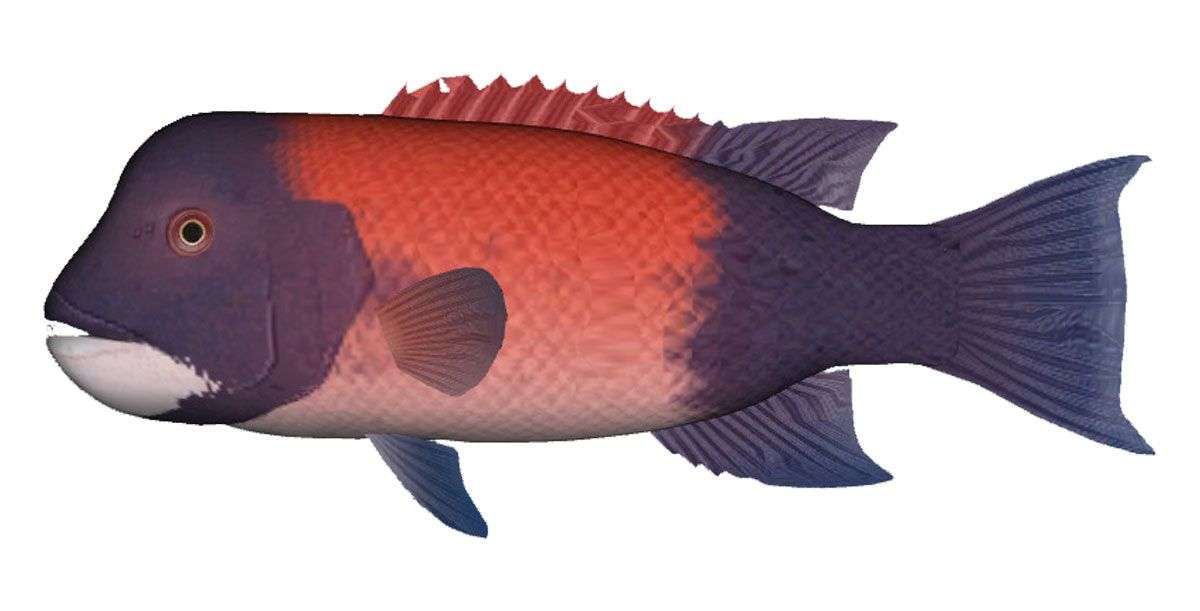
 California Sheephead
 Giant Seabass
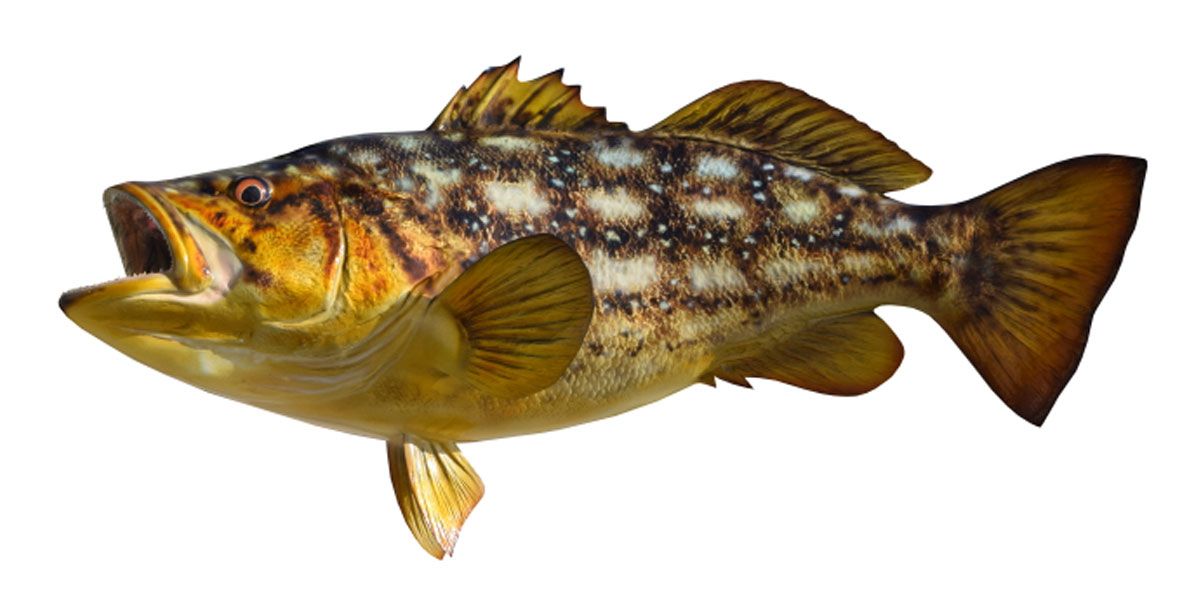 Kelp Bass
- 8-hour hands-on fishing training begins at 6:00 AM
- Target Calico Bass, Sand Bass, and California Halibut species
- Accommodates up to 4 anglers with technique focus
Trip Pricing and Availabilities:
8 Hour Harbor Fishing Training Experience
If you're looking to level up your fishing game, this 8-hour harbor and breakwall trip with Big Bass Dreams Sportfishing is exactly what you need. Starting at 6:00 AM sharp, this isn't your typical party boat experience – it's a hands-on training session designed to make you a better angler. With just 4 spots available, you'll get personalized attention from an experienced captain who knows these California waters like the back of his hand. Whether you're new to saltwater fishing or looking to dial in your technique, this trip focuses on the skills that actually matter when you're out there trying to put fish in the boat.
What to Expect on the Water
This top-rated harbor trip takes you into some of the most productive inshore waters along the California coast, where the action stays consistent throughout the year. You'll be targeting a solid mix of species including Calico Bass, Sand Bass, Spotted Bay Bass, Sculpin, and California Halibut – all fish that require different approaches and techniques. The captain will walk you through proper equipment setup, teach you how to read the water, and help you understand what these fish are doing down there. It's not just about dropping a line and hoping for the best; you'll learn why certain baits work in specific conditions, how to feel the difference between a bite and bottom contact, and when to set the hook for maximum success. The small group size means you won't be fighting for space or attention, and you'll actually retain what you learn instead of just going through the motions.
Gear Setup and Techniques
The beauty of harbor fishing lies in the variety of techniques you'll master during this 8-hour session. You'll work with both live bait and artificials, learning when each approach gives you the edge. The captain will show you proper rod selection for different target species, how to rig sliding sinker setups for halibut, and the best way to present baits around structure where bass like to hang out. You'll get hands-on experience with everything from Carolina rigs to drop shots, plus learn how to adjust your presentation based on tide, current, and fish behavior. The breakwall areas offer excellent opportunities to practice precision casting and bait placement – skills that translate directly to better success rates on future trips. Don't worry about bringing gear; everything you need is provided, but feel free to bring your own rods if you want to get familiar with your personal setup.
Species You'll Want to Hook
Giant Seabass represent the ultimate trophy in these waters, though encounters with these massive fish are rare and special. These prehistoric-looking giants can exceed 100 pounds and are truly the fish of a lifetime. While most have been caught and released in recent years due to conservation efforts, hooking into one of these powerful fish will test every skill you've learned. They're typically found in deeper water around structure and require heavy tackle and serious patience. The best shots come during late summer and early fall when they move into shallower areas to feed.
California Scorpionfish, also known locally as sculpin, are one of the most reliable catches on harbor trips and excellent table fare when prepared properly. These bottom-dwellers love rocky areas and structure, making them perfect targets for practicing your bottom fishing techniques. They average 1-3 pounds and put up a surprising fight for their size. Sculpin are active year-round but peak during cooler months. The key to consistent sculpin fishing is keeping your bait on the bottom and being ready for their subtle bite – they're notorious for picking up bait and moving off slowly before committing.
California Sheephead are one of the most distinctive fish you'll encounter, with their dog-like teeth and unique coloration that changes dramatically as they mature. Males develop the characteristic black head and tail with white midsection, while females remain a pinkish-red color. These fish are incredibly structure-oriented and feed heavily on shellfish and crustaceans. They're excellent eating and provide great action on medium tackle. Sheephead fishing peaks during warmer months when they're most active, and they respond well to both cut bait and live offerings presented near rocky bottoms and kelp edges.
Kelp Bass, locally called Calicos, are the bread and butter of Southern California fishing and the perfect species for honing your technique. These aggressive predators school around structure and are always willing to bite when you present baits correctly. They average 2-5 pounds with occasional fish pushing double digits. Calicos are active year-round but really turn on during spring and summer months. They're perfect for learning different retrieval speeds with soft plastics, understanding how to work baits around cover, and developing the timing needed to detect subtle bites. The variety of techniques that work on Calicos makes them ideal teaching fish for building your overall skill set.
Time to Book Your Spot
This customer favorite fills up fast because anglers know the value of personalized instruction in a small group setting. With free cancellation available up to 3 days before your trip, there's no risk in securing your spot early. Keep in mind that harbor and breakwall trips are weather dependent – the California coast can be unpredictable, and safety always comes first. The captain will work with you to reschedule if conditions aren't favorable, ensuring you get the quality experience you're paying for. Whether you're looking to build confidence for future fishing adventures or simply want to learn from someone who knows these waters inside and out, this 8-hour training session delivers real value that lasts long after the trip ends. Book now and start building the skills that separate successful anglers from the crowd.
Learn more about the species
California Scorpionfish
California Scorpionfish are masters of disguise with their mottled red-brown coloring and razor-sharp venomous spines. They typically run 6-17 inches and love rocky bottoms from shallow water down to 600 feet, though we usually find them in 30-100 feet around structure. Peak season is January through April when they're most active. Handle these guys with serious respect - their spines pack a punch comparable to a rattlesnake bite. Despite their scary appearance, they're fantastic eating with sweet, flaky white meat. They're not picky eaters and will hit anchovies, squid, or small crabs on size 4 hooks. Since they're ambush predators that blend perfectly with rocks, my trick is to drop small pieces of sea urchin or mussel around your fishing spot to draw them out of hiding before presenting your bait.
California Sheephead
California Sheephead are one of the toughest fighters you'll encounter on our rocky reefs. Males are easy to spot with their black heads and tails, red midsections, and that distinctive forehead bump, while females stay more orange-pink. They average 2-20 pounds but can push over 35. You'll find them in kelp forests and rocky areas from 10-150 feet, crushing sea urchins, crabs, and lobsters with their powerful jaws. Spawning season runs June through September when they're most aggressive. The meat is sweet and mild, almost like lobster. These fish are notorious for using structure against you - once hooked, they'll dive straight for the rocks trying to cut your line. Heavy tackle with 40 lb leader and braided line is essential. The moment you hook one, apply steady pressure and keep it moving up and away from the bottom. Let it reach the rocks and you can kiss it goodbye.
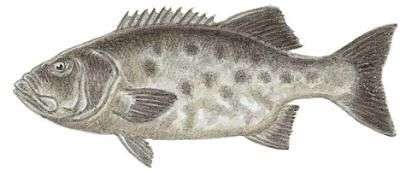
Giant Seabass
Giant Seabass are massive bronze-colored fish that can reach over 500 pounds, though most run 30-60 lbs. These apex predators hang around rocky reefs and kelp forests in 30-130 feet of water, moving shallower in summer and deeper in winter. Unfortunately, they're strictly catch-and-release in California waters due to protection status - you'd need to head to Baja to keep one. When you do hook into one of these monsters, expect a serious fight from one of the most powerful fish in our kelp forests. They make deep booming sounds and can live up to 70 years. If you're targeting them, use heavy tackle with at least 90 lb drag and large hooks with chunk baits. The key is getting them up and away from structure quickly before they use their power to break you off in the rocks.
Kelp Bass
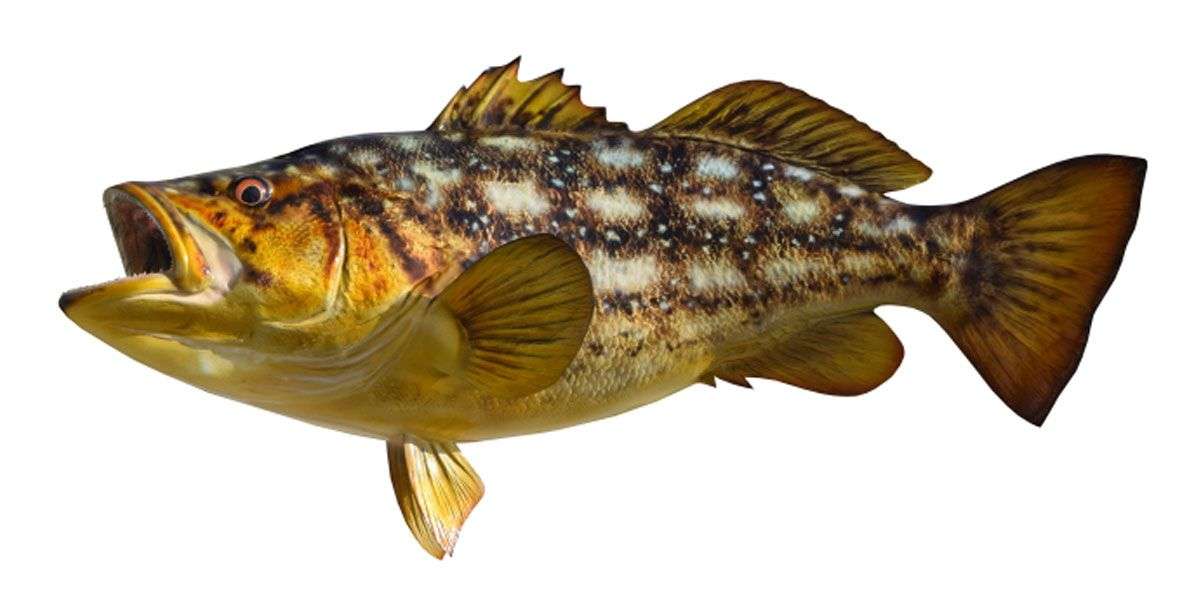
Kelp Bass, or Calicos, are the bread and butter of Southern California fishing. They average 1-5 pounds with olive-green coloring and distinctive white rectangular spots along their backs. You'll find them year-round in kelp forests from 8-200 feet, though they're most active May through October in warmer water. Younger fish stick tight to kelp blades while adults roam rockier areas. They're scrappy fighters that immediately dive for cover when hooked, making every hookup exciting. The moment they hit your lure, they'll bolt straight back to the kelp in a diving pattern. Use braided line to cut through kelp if needed, and keep steady pressure to steer them away from structure. Brown or olive-colored lures work best, matching their natural prey. A 7-8 foot rod with fast action gives you the backbone to muscle them out of trouble.
About the Big Bass Dreams Sportfishing

Vehicle Guest Capacity: 4
Manufacturer Name: Yamaha
Maximum Cruising Speed: 35
Number of Engines: 1
Horsepower per Engine: 300