

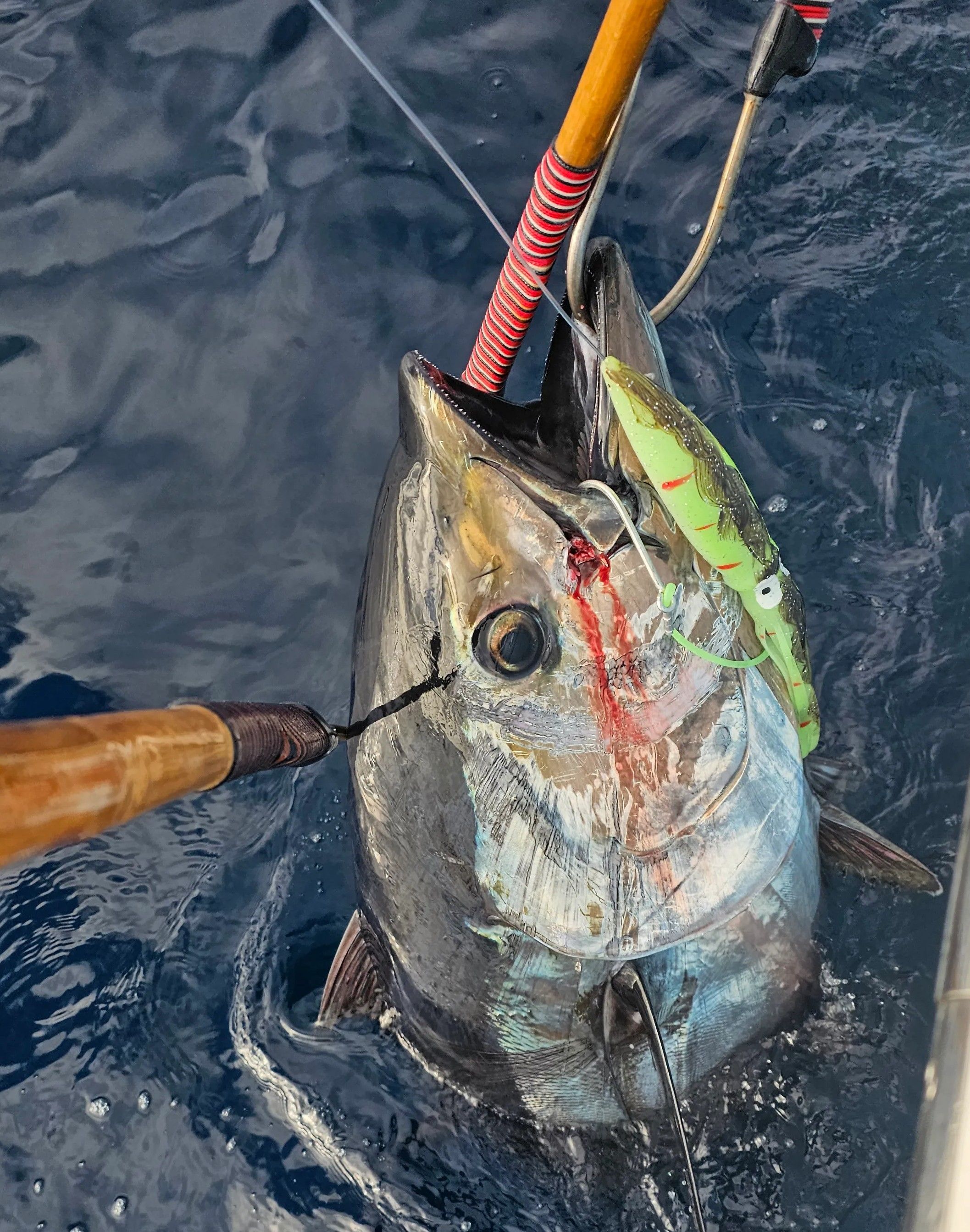


8 Hour Offshore Tuna Fishing Trip
 Dana Point
What you will be catching:
 Bluefin Tuna
 Mahi Mahi or Common Dolphinfish
 Yellowfin Tuna
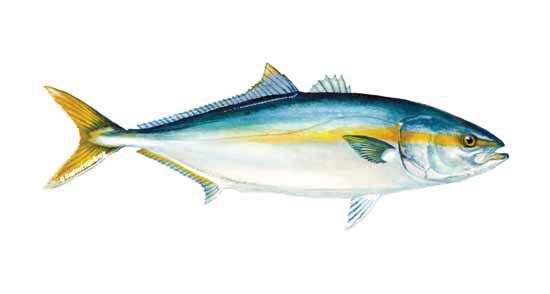
 Yellowtail Amberjack
- 8-hour offshore charter targeting Bluefin and Yellowfin Tuna
- Multiple techniques: casting, kite fishing, and trolling methods
- Exclusive small group experience with maximum 4 anglers
Trip Pricing and Availabilities:
8 Hour Offshore Tuna Fishing Trip
Looking to take your fishing game offshore and really dial in your tuna techniques? This 8-hour deep water trip with Big Bass Dreams Sportfishing is where serious anglers come to level up their skills. We're talking about heading 20 to 80 miles out into Pacific waters where the big bluefin and yellowfin are cruising, and you'll spend quality time learning the nuances of tuna fishing that separate the weekend warriors from the guys who consistently boat fish. This isn't your typical party boat experience – we keep it intimate with just 4 anglers max, so you get real hands-on instruction and plenty of rod time. The early 6 AM departure means we're on the grounds when conditions are prime, and trust me, when you see your first foamer on the horizon, you'll understand why we make the trek.
What to Expect on the Water
This trip runs during peak tuna season from August through fall when the Pacific West Coast really comes alive with pelagic action. We're not just throwing lines overboard and hoping for the best – this is technical fishing that demands proper presentation, timing, and a solid understanding of tuna behavior. You'll master the art of casting to active foamers, those magical moments when tuna are busting bait on the surface and the water looks like it's boiling. The learning curve can be steep, but that's what makes it so rewarding when everything clicks. Depending on what we're seeing out there, we might switch between kite fishing, trolling spreads, or drift setups. Weather plays a huge role in offshore fishing along this coast, so trips are always subject to ocean conditions – but when it's on, it's absolutely on. The boat rides can be demanding, especially when we're running far offshore, but the payoff of seeing wide open bluefin or a steady yellowfin bite makes every nautical mile worth it.
Techniques & Tackle Breakdown
The focus here is artificial lures and understanding how to work them properly in the strike zone. We're talking surface iron, poppers, and stick baits that mimic the forage tuna are keyed in on. Proper casting technique isn't just about distance – it's about accuracy, timing your cast to hit the edge of the foamer just right, and then working that lure with the kind of cadence that triggers strikes. You'll learn to read the signs: bird activity, water color changes, temperature breaks, and how tuna relate to structure even in open ocean. Kite fishing adds another dimension, especially when fish are finicky or holding deep. We'll set up drift patterns that keep baits in the zone longer, and when trolling comes into play, you'll understand lure selection, spread patterns, and how boat speed affects your presentation. This isn't about brute force – tuna fishing rewards finesse, patience, and the ability to adapt when conditions change. The gear is scaled appropriately for the target species, but make no mistake, when a big bluefin decides to take your offering, you better be ready for a real fight.
Top Catches This Season
The Bluefin Tuna that cruise these waters are the holy grail for serious offshore anglers. These fish are pure muscle and attitude, capable of ripping line off your reel in sustained runs that'll test both your drag system and your stamina. Peak season runs from late summer into fall, when cooler water temperatures and bait concentrations create perfect conditions. What makes bluefin so special isn't just their size – though they can easily push 100+ pounds – it's their intelligence and wariness. They'll inspect your lure, test your drag, and make you earn every inch of line you gain back. The sashimi-grade meat doesn't hurt either, making these fish as valuable in the fish box as they are challenging on the line.
Yellowfin Tuna bring a different kind of excitement to the mix. These fish are speed demons, known for their blistering initial runs and acrobatic fights. They're more aggressive than bluefin, often easier to locate when they're feeding on foamers, and they respond well to fast-moving surface lures. Yellowfin typically show up in good numbers during the warmer months, and when you find them, you'll often find them in schools. Their bright yellow fins and distinctive torpedo shape make them unmistakable, and their willingness to attack artificial lures makes them perfect for anglers looking to perfect their casting and retrieval techniques.
While we're primarily targeting tunas, the offshore waters also hold Mahi Mahi and Yellowtail Amberjack that can turn a good day into a great one. Mahi are the opportunists of the offshore world, often showing up around floating debris or kelp paddies, and their electric colors and aerial displays make them crowd favorites. Yellowtail bring their own brand of excitement – these fish are strong, stubborn, and known for making long runs toward structure. They're year-round residents that can show up when you least expect them, and their excellent table fare makes them welcome additions to any fish box.
Time to Book Your Spot
This top-rated offshore experience fills up fast during peak season, especially with our small group size ensuring quality instruction and maximum rod time. If you're ready to take your tuna fishing to the next level and learn techniques that'll serve you well on future offshore adventures, this trip delivers the hands-on education you can't get from videos or books. The combination of prime Pacific West Coast fishing grounds, expert instruction, and small group atmosphere creates the perfect environment for building real offshore skills. Weather dependency means flexibility in your schedule helps, but when conditions align and we're running offshore toward feeding fish, you'll experience some of the best tuna fishing the West Coast has to offer. Don't wait until peak season is booking solid – reserve your spot now and get ready for a day of technical fishing that'll change how you approach offshore angling.
Learn more about the species
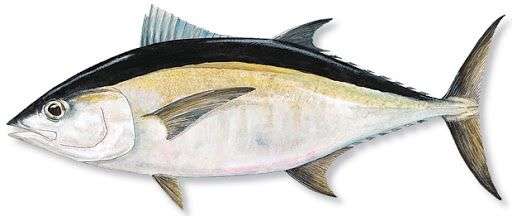
Bluefin Tuna
Bluefin are the ultimate prize on our offshore trips - massive, intelligent fish averaging 130 pounds but capable of reaching 1400. Pacific bluefin patrol deep water from 20-80 miles out, especially during our August through fall season. They're warm-blooded fish that can dive to 3300 feet and cruise at 43 mph. The meat is legendary - the fatty, rich flesh that commands top dollar at sushi markets worldwide. These are serious gamefish that require heavy tackle and patience. They'll make blistering runs and deep dives that test everything. Local secret: when they're being finicky, try dropping your presentation deeper and slowing it down. Sometimes the biggest fish are hanging below the aggressive surface feeders.
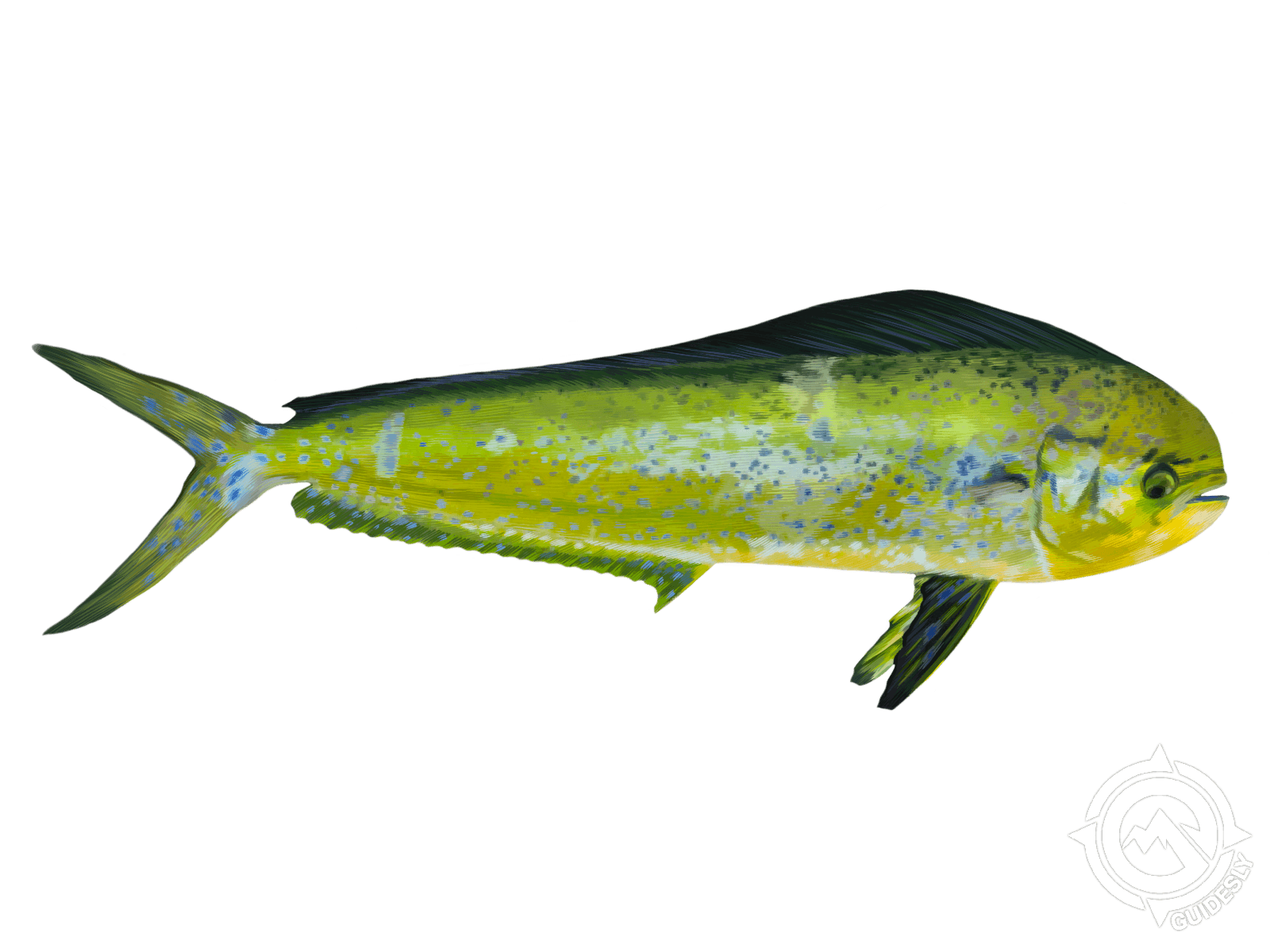
Mahi Mahi or Common Dolphinfish
Mahi are a bonus catch on our tuna trips, usually running 15-29 pounds with their stunning golden sides and electric blue-green backs. They love floating debris and kelp paddies in warm water, typically found near the surface. Peak season runs late summer through fall when water temps climb. What makes them special is that amazing color show they put on when first hooked - flashing yellows, blues, and greens before fading. They're strong fighters for their size and make outstanding table fare with firm, mild white meat. Pro tip: when you spot birds working debris or kelp, get your surface lures ready - mahi often follow the same baitfish the birds are after.
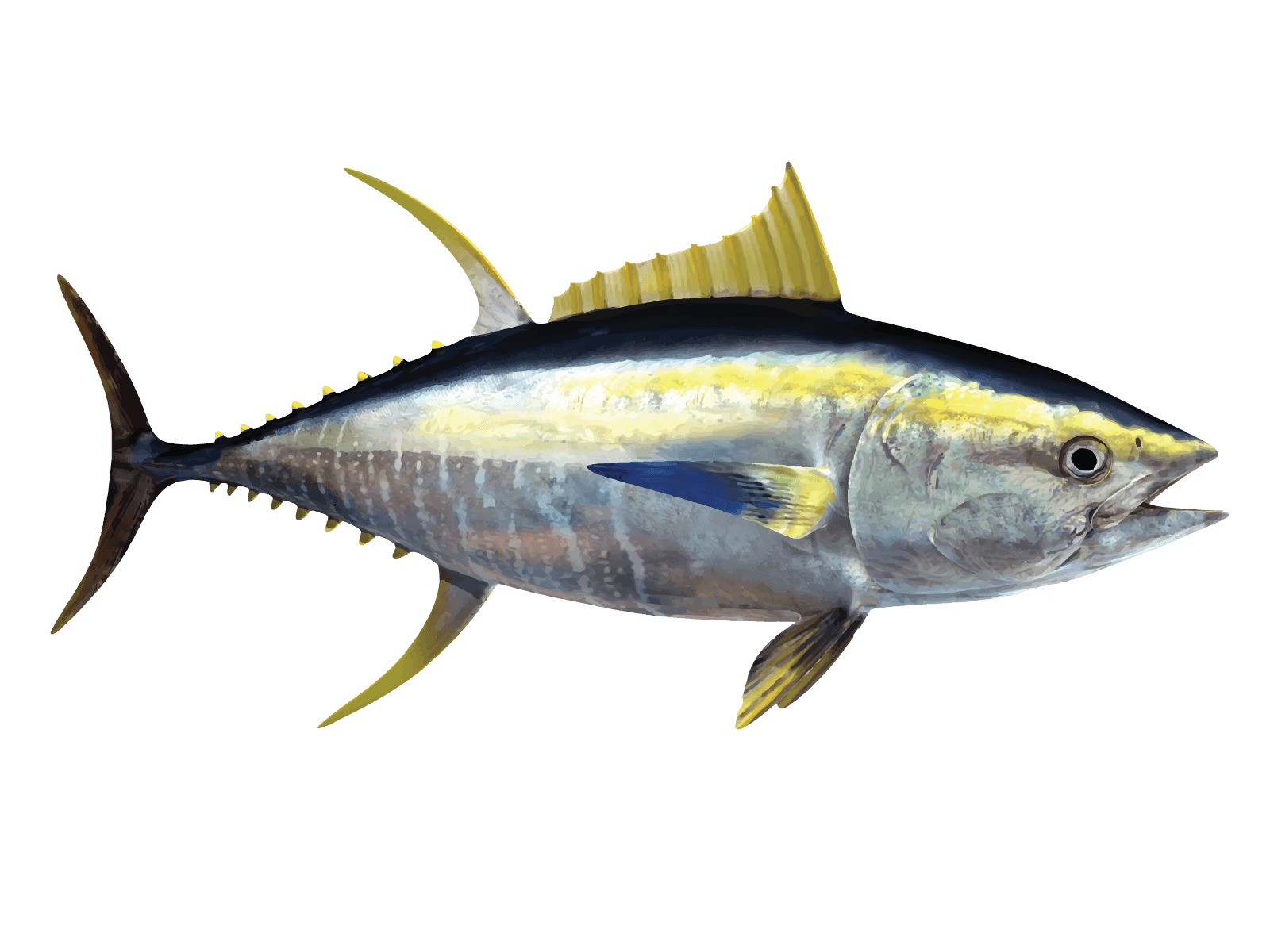
Yellowfin Tuna
Yellowfins are what our offshore trips are built around - torpedo-shaped speedsters that average 60 pounds but can hit over 200. They cruise the upper water column in blue water, often found around foamers and bird activity during our peak season from August through fall. These warm-blooded fish can hit 50 mph, making for heart-pounding surface strikes on lures. The meat is top-shelf - that's the ahi you see in sushi restaurants. What I love about yellowfins is their willingness to eat artificials when presented right. Key tip: when you're on a school, keep your lures moving fast and don't pause to admire the hookup - get that fish away from the school quickly so you don't spook the rest.
Yellowtail Amberjack
Yellowtails are powerful fighters you'll find around Catalina and San Clemente Islands during summer months when coastal waters warm up. Most run 15-25 pounds, but 40-pounders show up regularly. They hang near kelp beds and rocky structure, often deep but willing to come up for the right presentation. These fish are prized for their rich, oily meat - perfect for sushi or grilling. The fight is what gets people hooked though - they're fast swimmers that'll test your drag and stamina. My advice: use live bait when possible and don't horse them. Let them make their runs, but keep steady pressure to prevent them from diving back into the kelp where they'll cut you off every time.
About the Big Bass Dreams Sportfishing

Vehicle Guest Capacity: 4
Manufacturer Name: Yamaha
Maximum Cruising Speed: 35
Number of Engines: 1
Horsepower per Engine: 300