



8 Hour Catalina Island Fishing Trip
 Dana Point
What you will be catching:
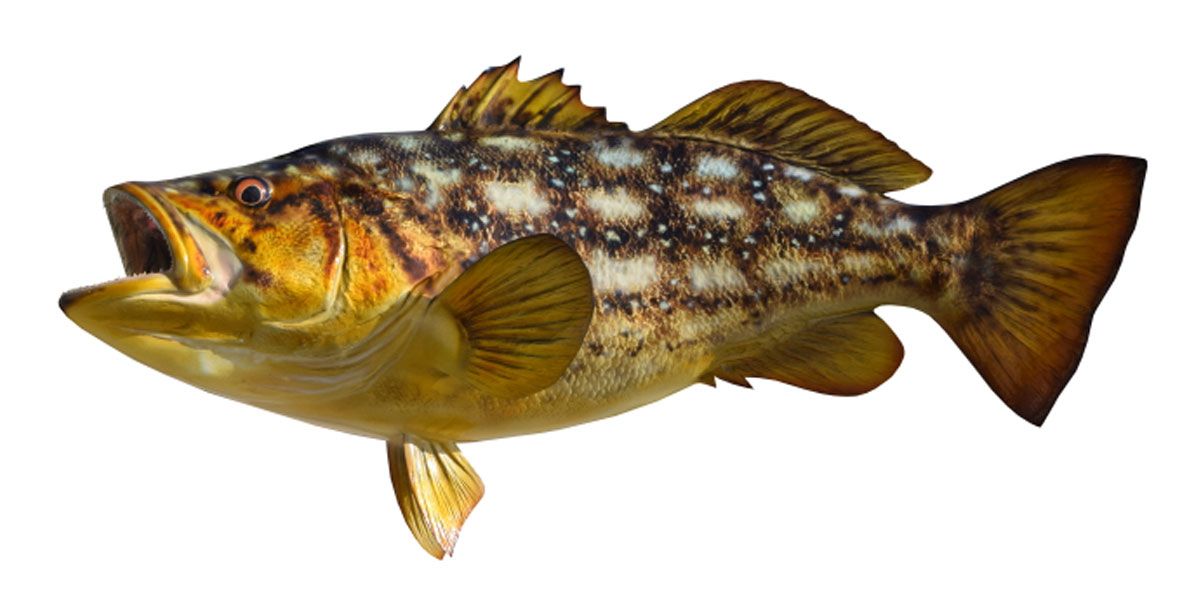 Kelp Bass
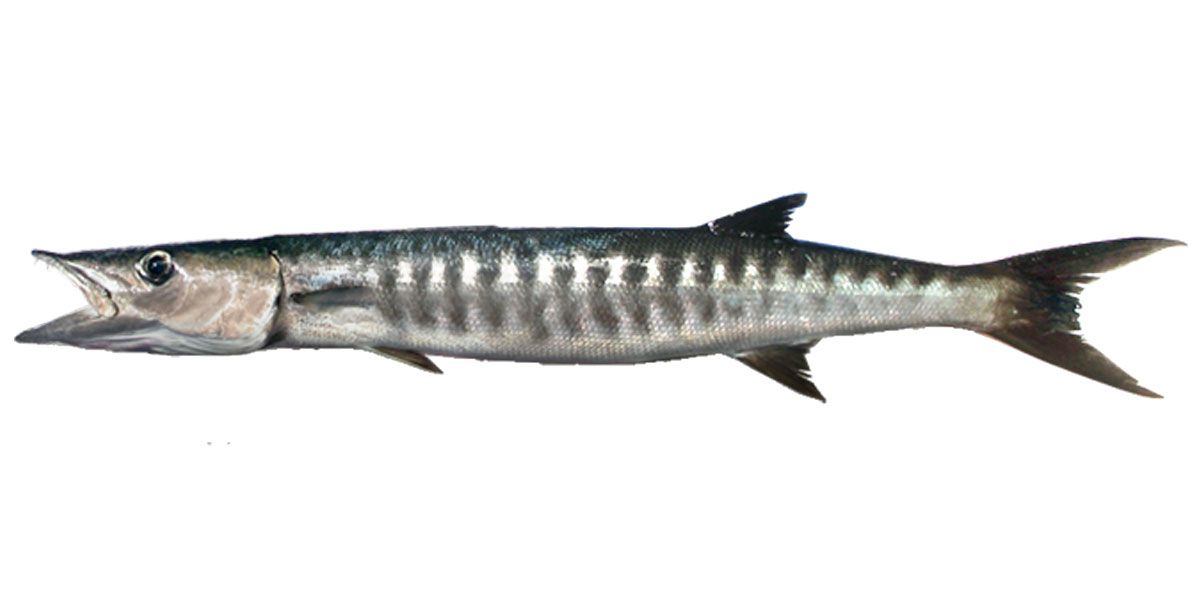 Pacific Barracuda
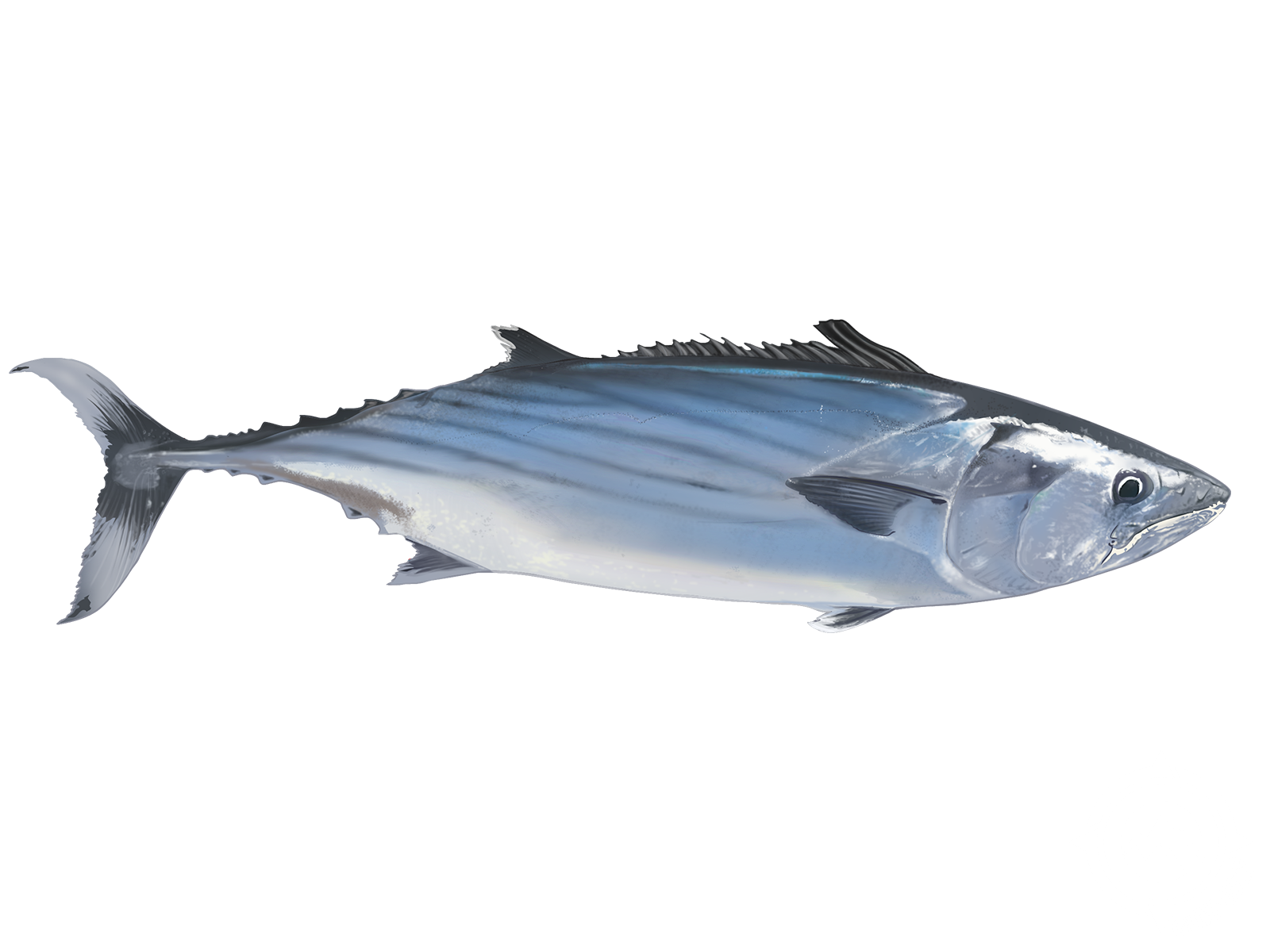 Pacific Bonito
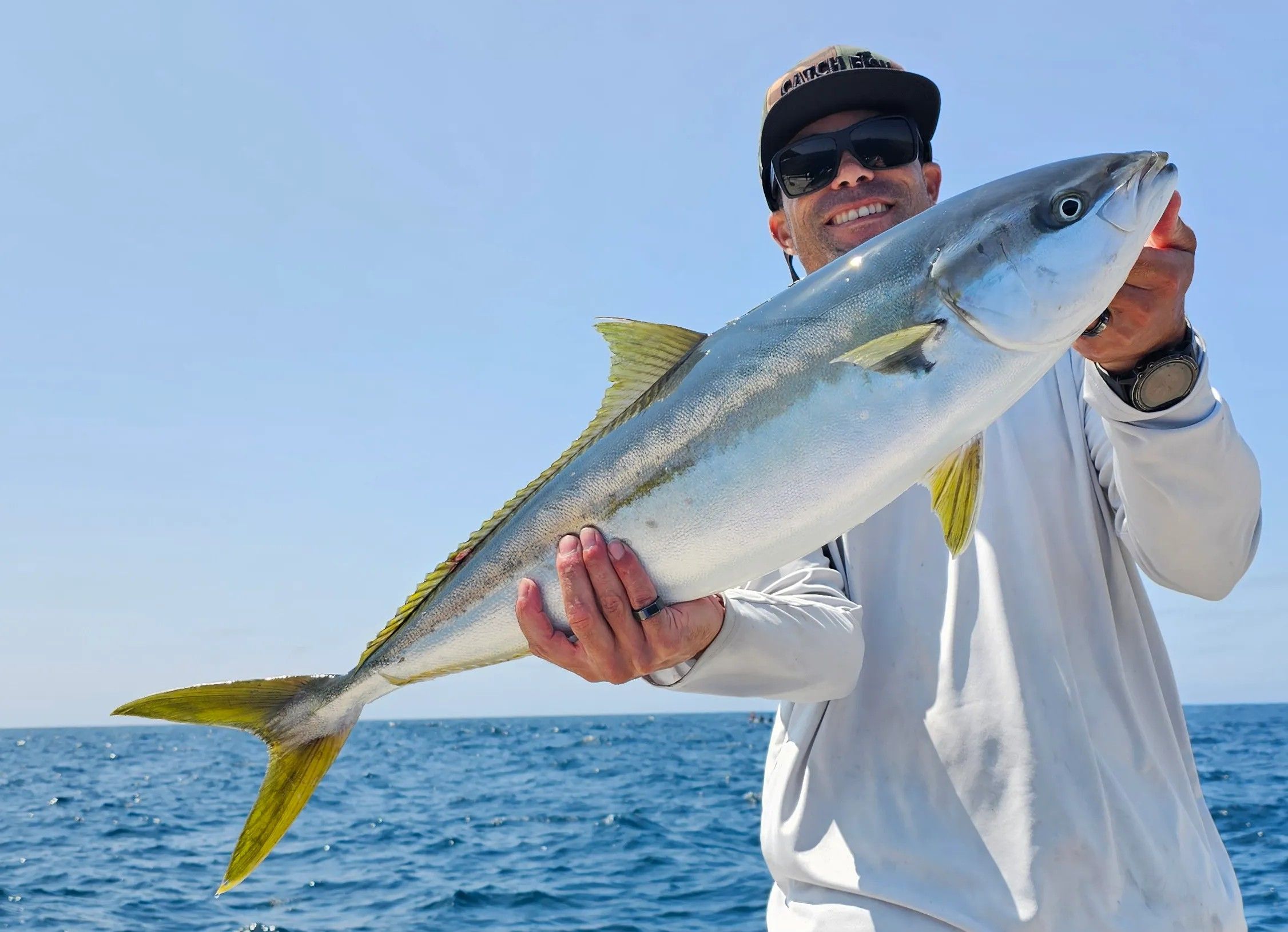
 Yellowtail Amberjack
- Full-day offshore fishing targeting multiple coastal species
- Artificial lure techniques for hands-on angling experience
- Small group capacity ensures personalized fishing attention
Trip Pricing and Availabilities:
8 Hour Catalina Island Fishing Trip
Picture this: you're heading out at dawn, coffee in hand, watching the sun paint the California coast as you make your way to some of the most productive fishing waters in Southern California. This full-day Catalina Island adventure with Big Bass Dreams Sportfishing is exactly what serious anglers have been looking for. We're talking about an 8-hour commitment that starts at 6 AM sharp, running about 30 miles offshore where the real action happens. With room for just 4 anglers, you get that personalized attention that makes all the difference between a good day and a legendary one. Whether you're new to saltwater fishing or you've been chasing fish for decades, this trip delivers the kind of variety and excitement that keeps you coming back.
What to Expect on the Water
Once we clear the harbor and start our run to Catalina, you'll understand why this area has earned its reputation as a world-class fishing destination. The waters around the island create perfect habitat for everything from surface feeders to bottom dwellers, and we're going to target them all. You'll be working primarily with artificial lures and presentations, which means you're actively involved in every aspect of the fight. No sitting around waiting for a bell to ring – this is hands-on fishing at its finest. The rocky structure, kelp beds, and varying depths around Catalina create a natural fish magnet that consistently produces steady action. Weather permitting, we'll hit multiple spots throughout the day, adapting our tactics based on what the fish are telling us. Some days they want iron jigs worked fast and aggressive, other days a slow-pitched yo-yo does the trick. That's the beauty of this fishery – there's always something working.
Techniques and Tackle
We fish artificials almost exclusively on these Catalina runs, and there's good reason for that. Artificial lures let you cover more water, trigger reaction strikes, and honestly, they're just more fun to fish. You'll be working iron jigs, swimbaits, surface poppers, and various soft plastics depending on conditions and target species. The rocky bottom and kelp forests around Catalina require specific techniques – you need to know how to work your lures through the structure without getting hung up every cast. We'll show you how to read the sonar, identify productive structure, and adjust your presentation based on what we're seeing. The gear is sized appropriately for the species we're targeting, but don't think that means light tackle. These fish fight hard in their home territory, and you need equipment that can handle sudden runs into kelp beds or rocky crevices. Throughout the day, we'll move between different depths and structure types, keeping things interesting and maximizing your chances at multiple species.
Top Catches This Season
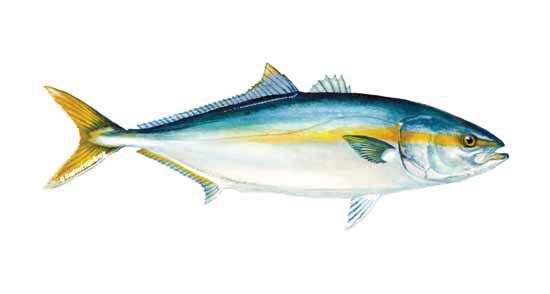
The species diversity around Catalina Island is what sets this trip apart from your typical half-day local runs. Yellowtail Amberjack are the crown jewel of Southern California fishing, and Catalina consistently produces some of the best yellowtail action on the coast. These fish are pure muscle, running anywhere from 15 to 40 pounds, with the occasional bruiser pushing even bigger. They're most active during warmer months, typically from late spring through early fall, but we see them year-round in varying numbers. What makes yellowtail so special is their fight – they'll make blistering runs, dive for structure, and test every knot in your setup. When you hook into a quality yellowtail in 150 feet of water over rocky bottom, you'll understand why anglers travel from across the country for this experience.
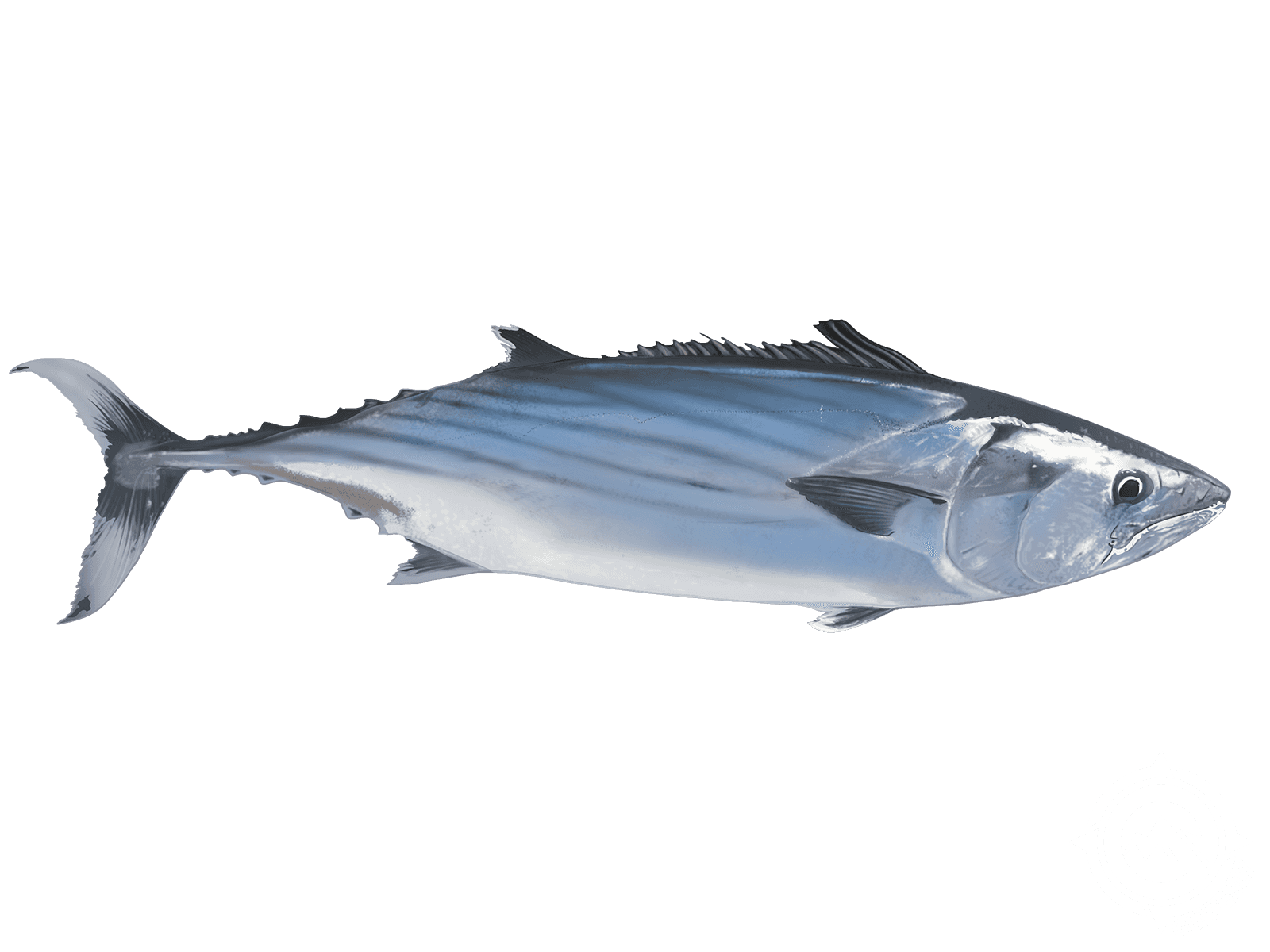
Pacific Bonito might not have the size of yellowtail, but they more than make up for it in numbers and attitude. These 5 to 10-pound torpedoes travel in schools and when you find them, the action can be absolutely electric. Bonito are surface feeders that respond well to iron jigs and surface poppers, creating visual excitement that gets everyone's adrenaline pumping. They're also fantastic table fare when handled properly, making them a customer favorite for those looking to bring home a fresh fish dinner.
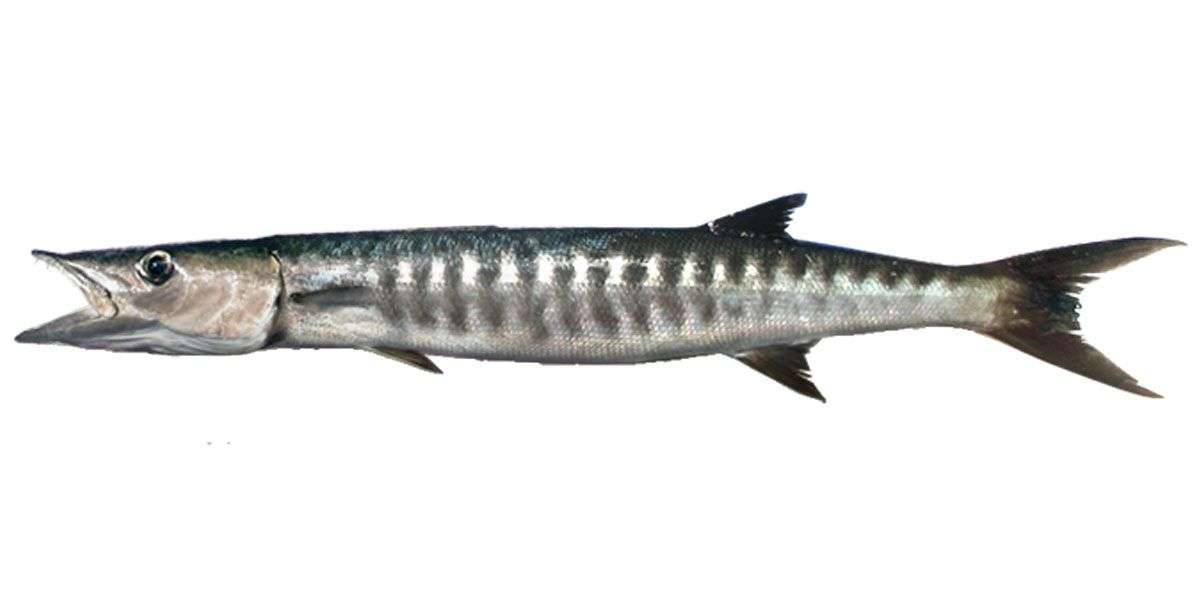
Pacific Barracuda are the wild cards of Catalina fishing. These toothy predators can show up anywhere from the surface to mid-water, and they're always ready for a fight. Barracuda have an aggressive strike that'll wake you up, followed by acrobatic jumps and determined runs. They're particularly exciting on lighter tackle, and their willingness to hit artificials makes them perfect targets for our lure-focused approach.
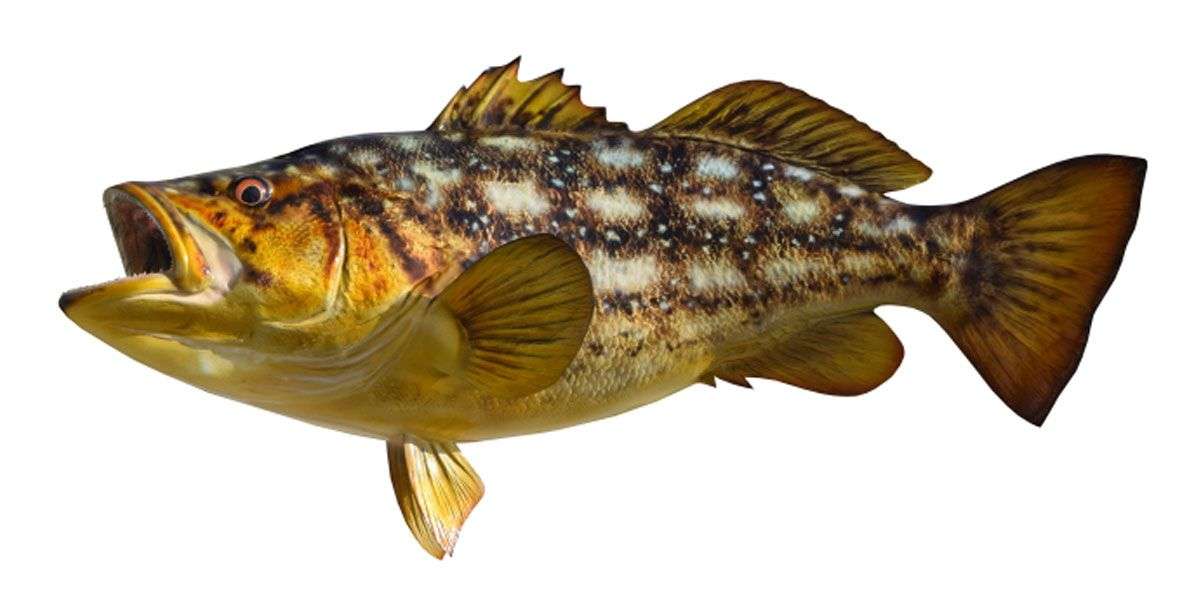
Kelp Bass, also known locally as Calico Bass, are the bread and butter of Southern California inshore fishing. These structure-oriented fish live in and around the kelp beds and rocky areas that surround Catalina. While they might not have the size of yellowtail, kelp bass are scrappy fighters that know how to use their environment to their advantage. They're year-round residents, making them reliable targets when other species are being finicky. Plus, they're excellent eating and a great species for newer anglers to cut their teeth on.
Time to Book Your Spot
This 8-hour Catalina Island fishing trip represents the best of what Southern California saltwater fishing has to offer. You're getting access to renowned fishing grounds, expert guidance from seasoned local captains, and the chance to target multiple species using engaging techniques. The small group size ensures you get personalized instruction and plenty of fishing time, while the full-day format allows us to really explore the area and adapt to changing conditions. Weather can be a factor with any offshore trip, but that's just part of fishing in these dynamic waters – when conditions are right, there's nowhere else you'd rather be. Whether you're looking to check yellowtail off your bucket list, introduce someone to saltwater fishing, or just enjoy a top-rated day on the water, this trip delivers the goods. Don't wait around – spots fill up fast, especially during prime fishing seasons.
Learn more about the species
Kelp Bass
Kelp Bass, or "calicos," are the bread and butter of Southern California fishing. These spotted beauties average 2-5 pounds with occasional fish pushing 10+ pounds. They live in the kelp forests from 20-80 feet deep, using the canopy for cover while hunting crabs, small fish, and squid. May through October offers the best action when they're most active, but you can catch them year-round around Catalina. What guests love is their willingness to bite artificials and their scrappy fights in tight quarters. They're also excellent eating with white, flaky meat. The trick with calicos is getting them away from the kelp fast - they'll dive straight back into cover the second they feel the hook. Use braided line and keep steady pressure. Brown and green jigs work best, matching the kelp environment they call home.
Pacific Barracuda
Pacific Barracuda are aggressive predators that love to put on a show, often jumping clear out of the water when hooked. These silver missiles average 3-8 pounds but can reach 15+ pounds during peak seasons. They patrol kelp edges and open water from the surface down to about 120 feet, hunting anchovies and sardines. Spring and fall bring the bigger fish, while summer offers steady action with smaller ones. What anglers love is their explosive strikes and aerial displays - they're genuine acrobats. The meat is decent when bled properly. Around Catalina, they're common near the kelp forests and along drop-offs. Here's a local trick: use a slow, steady retrieve with chrome jigs or live anchovies. They have incredible eyesight and will follow your lure, so don't stop reeling even if you see one tailing behind.
Pacific Bonito
Pacific Bonito are speed demons that'll give you a serious workout on lighter tackle. These tuna relatives average 5-8 pounds but fight way above their weight class. Look for them in schools near the surface, often with birds working overhead. They cruise from inshore to about 30 miles out, following bait schools throughout summer and fall. June through November is prime time when they migrate north from Baja waters. What makes them fun is their aggressive strikes and long runs - they'll peel line like crazy. The dark stripes along their backs make them easy to identify. While not the best table fare, they're perfect for beginners who want fast action. Pro tip: when you see birds diving, get there quick with small jigs or feathers. They'll hit anything that moves when they're feeding.
Yellowtail Amberjack
Yellowtail are one of the strongest fighters you'll encounter around Catalina. These powerful fish typically run 15-25 pounds, though 40+ pounders show up when conditions are right. You'll find them cruising kelp beds and rocky structure in 50-150 feet of water, especially during summer when warmer water draws them north. They're built like torpedoes with bright yellow fins and can make blistering runs that'll test your drag. The meat is outstanding - prized for sashimi in Japan. Best fishing happens May through October when water temps climb above 65 degrees. Here's the key: once you hook one, keep steady pressure and don't let it dive back into the kelp. They'll wrap you up in seconds if you give them slack. Heavy tackle and braided line are must-haves for these bruisers.
About the Big Bass Dreams Sportfishing

Vehicle Guest Capacity: 4
Manufacturer Name: Yamaha
Maximum Cruising Speed: 35
Number of Engines: 1
Horsepower per Engine: 300