

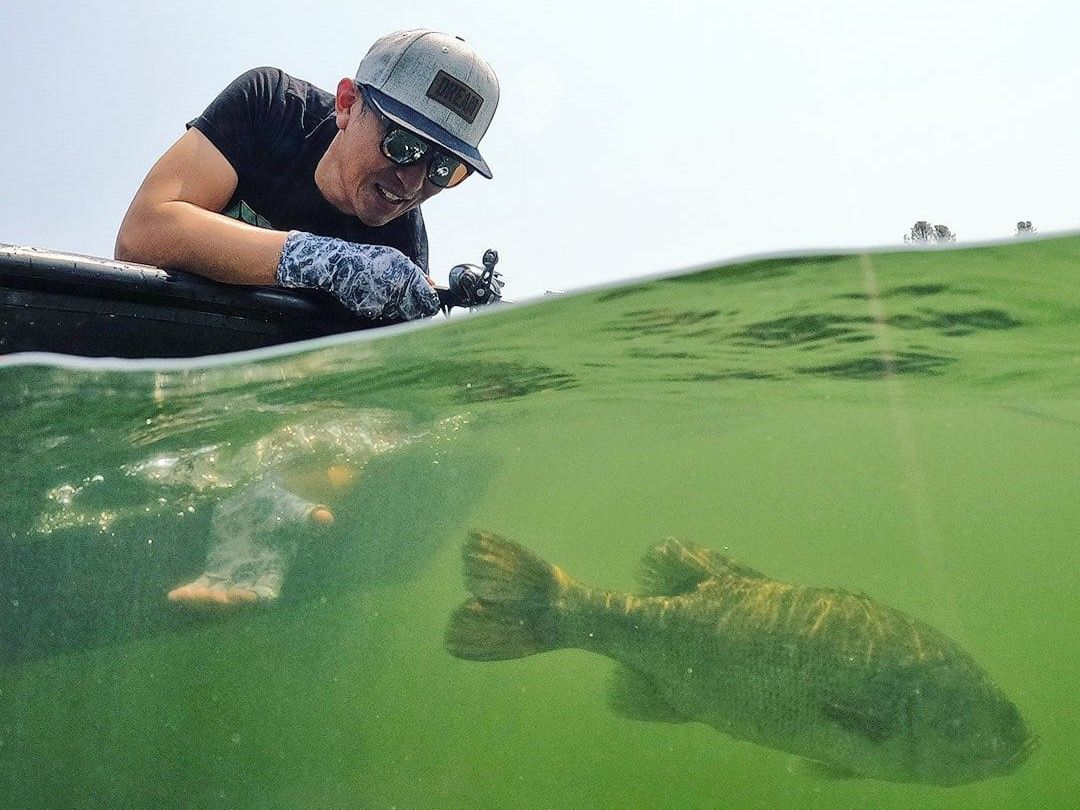


8 Hour Freshwater Bass Fishing Trip- 3 Guest
 Dana Point
What you will be catching:
 Blue Catfish
 Crappie
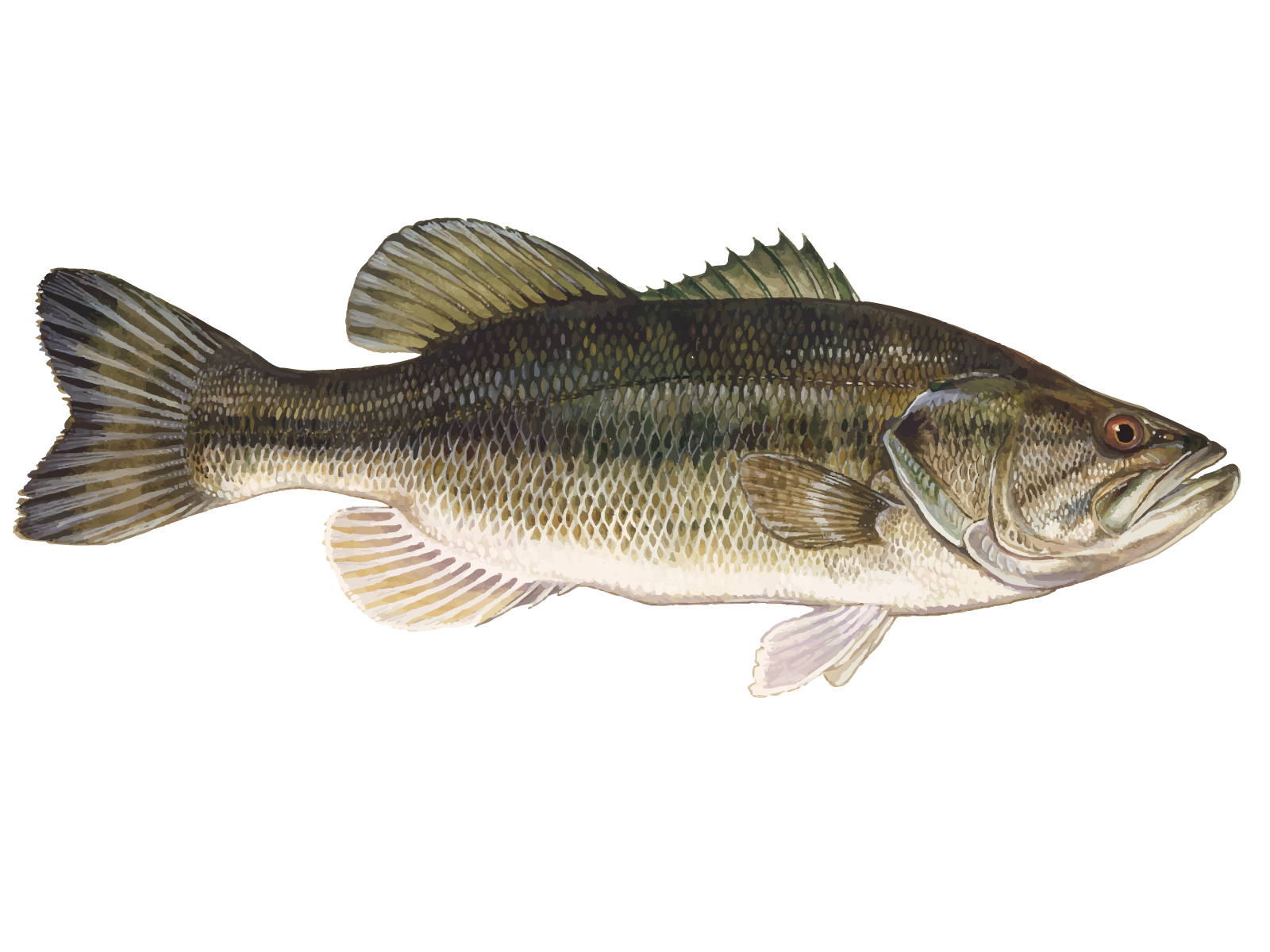 Largemouth Bass
 Rainbow Trout
 Redear Sunfish
- Full-day 8-hour bass fishing adventure on Southern California lakes
- Small group experience limited to 3 guests maximum
- Target largemouth bass, bluegill, and crappie using light tackle
Trip Pricing and Availabilities:
8 Hour Freshwater Bass Fishing Trip- 3 Guest
Picture this: you're on the water before sunrise, coffee steaming in your cup, watching the lake come alive as the sun breaks over Southern California's rolling hills. This isn't just another fishing trip – it's your chance to spend a full day targeting some of the region's most sought-after freshwater species with a guide who knows these waters inside and out. From the legendary Lake Casitas to hidden gems scattered between Ventura County and North San Diego, you'll fish where the locals go and use techniques that actually work. With just 3 guests max, you get the personal attention that makes all the difference between catching fish and just going fishing.
What to Expect on the Water
Your day starts early – 6:00 AM sharp – because that's when the fish are hungry and the water's still quiet. We're talking about 8 solid hours of fishing time, which means you'll experience everything these lakes have to offer: the morning bite when bass are cruising the shallows, the midday switch-up when we target deeper structure, and that magic hour before sunset when anything can happen. The small group size isn't just for comfort – it's strategic. With only 3 anglers on board, everyone gets prime fishing spots, personalized instruction, and plenty of one-on-one time to dial in their technique. Whether you're a weekend warrior looking to up your game or someone who's never held a rod, this setup gives you the best shot at success. The lakes we fish are chosen based on current conditions, seasonal patterns, and where the fish are actually biting – not just where looks pretty on a postcard.
Light Tackle Techniques
We fish smart, not hard. Light tackle is the name of the game here, and for good reason – it's more fun, more challenging, and honestly, more effective for the species we're targeting. You'll learn to work soft plastics through submerged timber, pitch jigs into brush piles, and read the subtle ticks and taps that tell you a bass is thinking about your bait. The gear we use is perfectly matched to these Southern California lakes: sensitive rods that let you feel everything happening down below, reels with smooth drags for those heart-stopping runs, and line that's strong enough to pull fish out of cover but light enough to get the bites. We'll cover drop-shotting for spooky fish in clear water, Texas-rigging for heavy cover, and topwater techniques that'll have you hooked for life. Don't worry about bringing anything – all tackle, rods, and terminal gear are provided. Just bring yourself and maybe a camera, because you're going to want to document some of these catches.
Top Catches This Season
Let's talk about what's swimming beneath the surface of these Southern California gems. Largemouth Bass are the headliners here – chunky, aggressive fish that'll test your drag and your nerves. These aren't your average pond bass; we're talking about fish that have seen it all and grown fat on crawfish, bluegill, and whatever else they can fit in their mouths. Spring through fall, they're active and feeding, with the best action happening during the pre-spawn and post-spawn periods when they're bulking up or recovering. What makes bass fishing so addictive is their attitude – they don't just take your bait, they attack it. That sudden weight on your line, the head-shaking runs, the way they'll jump and try to throw your hook – it's pure adrenaline every single time.
Crappie fishing is like solving a puzzle that changes every hour. These schooling fish can be frustrating one minute and non-stop action the next. Black Crappie in these lakes average 10-12 inches, but the slabs – those thick, dinner-plate-sized fish – are what we're really after. They're structure-oriented, hanging around fallen trees, dock pilings, and brush piles in 8-20 feet of water. Once you find a school, it's game on. They bite delicately, so you need to stay focused and set the hook at the first sign of resistance. The payoff is worth it – crappie are some of the best eating fish you'll find in freshwater.
Rainbow Trout add a different dimension to these trips, especially during the cooler months when the Department of Fish and Wildlife stocks the lakes. These aren't native fish, but they've adapted well and provide consistent action when other species slow down. They're scrappy fighters that'll make long runs and leap out of the water, and they're absolutely beautiful fish with their pink stripes and spotted sides. We typically target them with smaller baits in deeper water during the heat of summer, or work the shallows during their more active periods.
Redear Sunfish, or "shellcrackers" as they're known locally, are the unsung heroes of Southern California lakes. They grow bigger than most people expect – 12-inch redears aren't uncommon – and they fight harder than their bluegill cousins. They get their nickname from their preferred diet of snails and small mollusks, which they crush with specialized teeth in their throats. Spring is prime time for redears when they move shallow to spawn, often in the same areas as bass and crappie.
Blue Catfish round out the mix and can show up when you least expect them. These whisker-bearers are bottom dwellers that can reach impressive sizes in the right conditions. They're most active during low-light periods and put up a different kind of fight – less acrobatic than bass, but with bulldogging power that'll test your tackle and your patience. When you hook into a good-sized blue cat, you know it immediately.
Time to Book Your Spot
Look, I could keep talking about techniques and tactics all day, but the real magic happens when you're actually out there with a rod in your hands and fish on your line. This 8-hour adventure gives you everything you need: expert guidance,
Learn more about the species
Blue Catfish
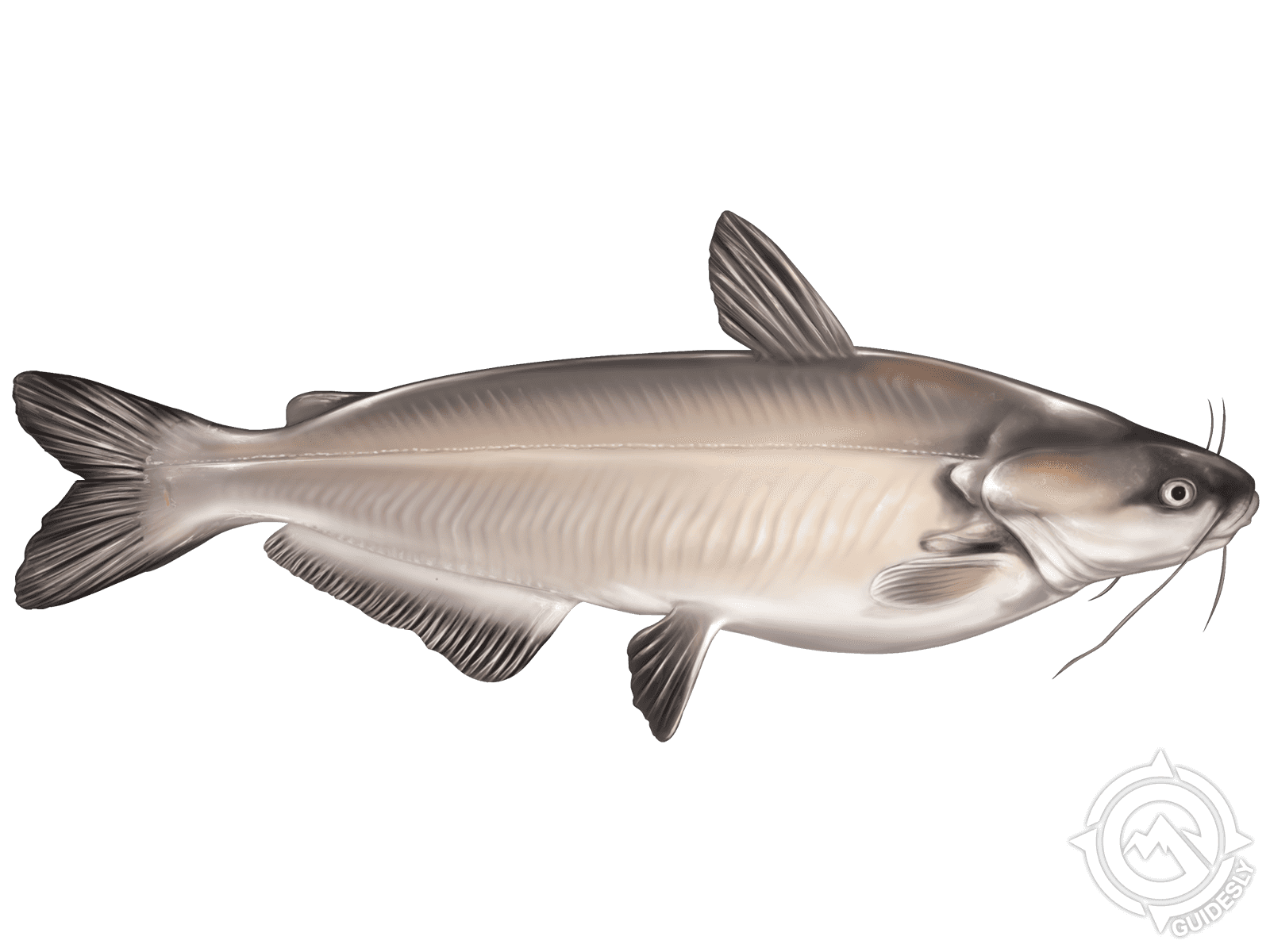
Blue catfish are the bruisers of the catfish family, averaging 25-46 inches and often pushing 80+ pounds when fully grown. These slate-blue giants are opportunistic feeders that'll eat just about anything - crawfish, baitfish, frogs, you name it. They prefer deeper holes and channels in lakes and rivers, especially areas with muddy bottoms where they can scavenge. While they bite year-round, cooler months often produce the biggest fish as they feed up before winter. What guests love is the pure power - when you hook a big blue cat, you know it. They're also excellent table fare despite their size. The key is fresh cut bait like herring or sardines that bleeds scent into the water. Let it sink to the bottom and stay put - these fish are scavengers, not chasers. Bring heavy gloves because they're slippery and strong when you land them.
Crappie
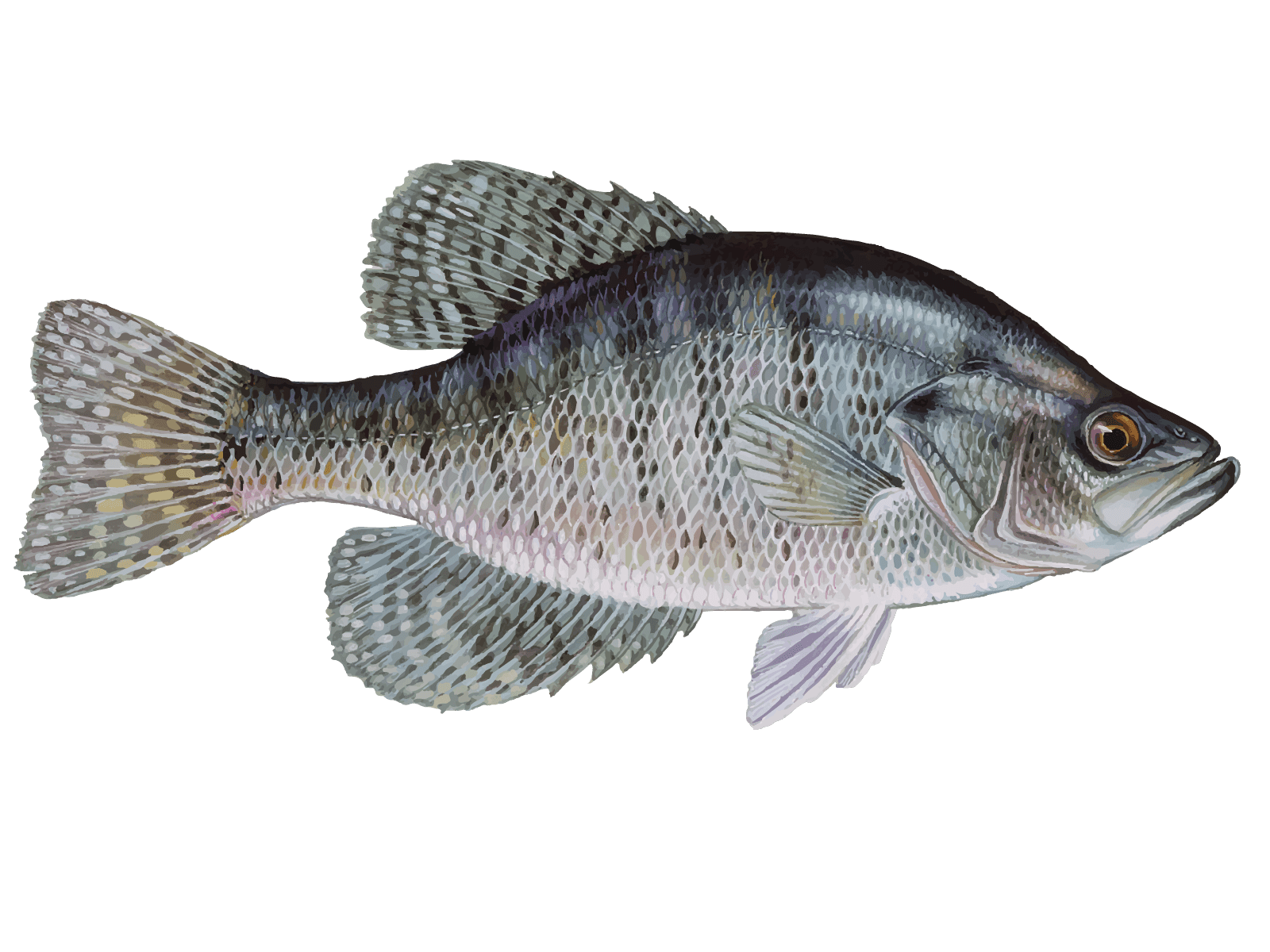
Black crappie are schooling fish that run 7-12 inches and about half a pound, perfect for light tackle action. Look for them around submerged structure, brush piles, and deeper water during the day - they move shallow at dawn and dusk to feed. Spring spawning season is peak time when water hits the mid-60s, but they bite year-round if you find the schools. Guests love them because they're cooperative biters and make excellent table fare with sweet, flaky white meat. They travel in groups, so once you find one, there's usually more nearby. Here's what works: use a small jig tipped with a minnow and fish it slow near cover. When crappie are feeding, they'll often suspend at specific depths, so once you dial in that zone, stick with it.
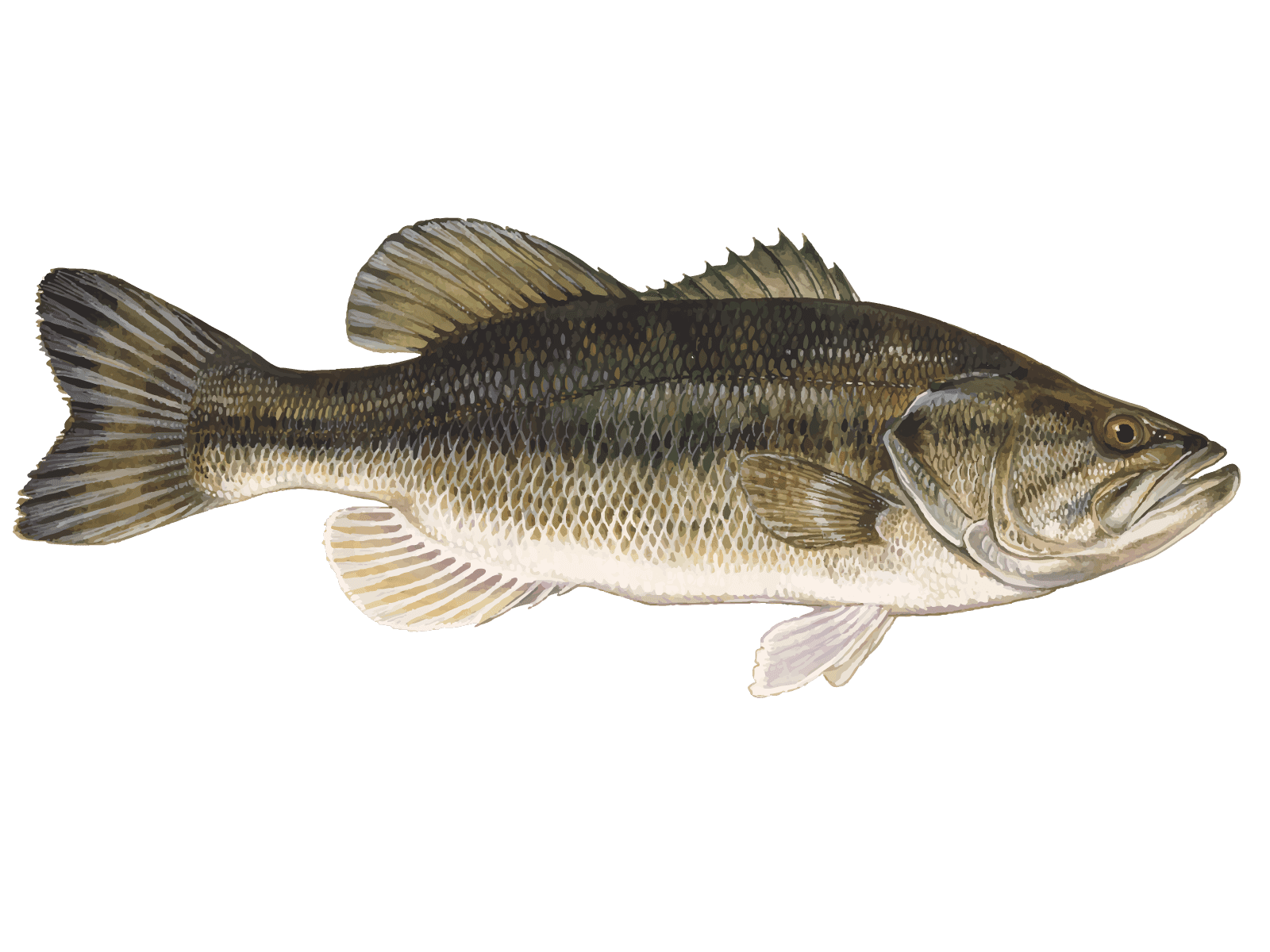
Largemouth Bass
These green fighters with the oversized mouths are what most folks come out here hoping to catch. Running 12-24 inches and 1-4 pounds on average, they love hanging around cover like fallen trees, weed beds, and rocky drop-offs. Spring through fall are prime time, especially early morning and late evening when they're actively feeding. What makes them special is that fight - they'll jump, run, and test your drag like few other freshwater fish. Plus, they taste great if you decide to keep a few. My local trick: when the bite slows down, switch to a red lure or anything with red accents. These bass have a thing for red, and I've seen it turn a tough day around more times than I can count.
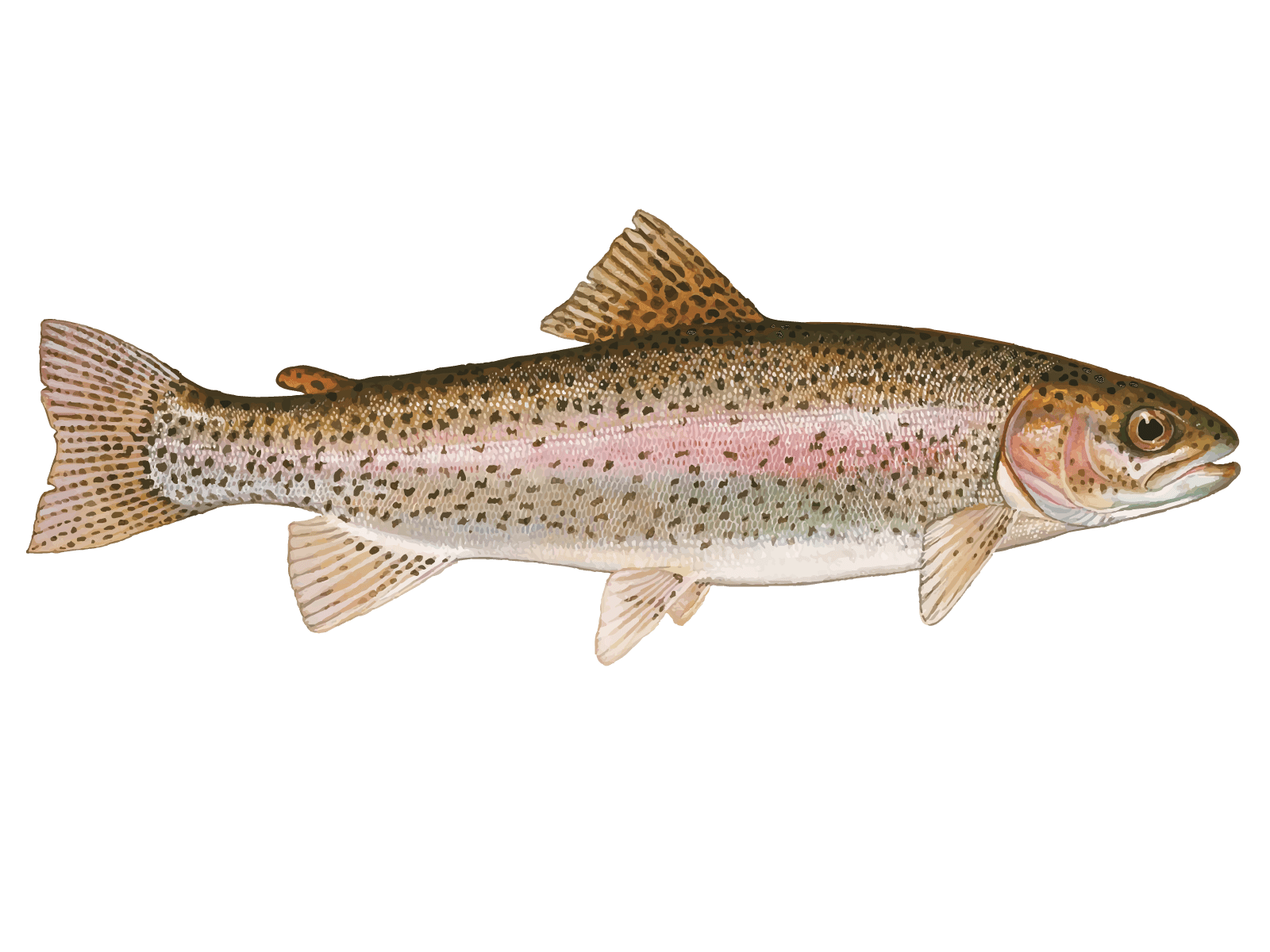
Rainbow Trout
Rainbow trout are stunning fish with their pink side stripe and speckled bodies, typically running 8-24 inches in our local waters. They prefer cooler, well-oxygenated water and gravelly areas with good current flow, though they adapt well to deeper lake zones during summer heat. Late fall through early spring offers the best action when water temps drop into their comfort zone of 55-64°F. What draws people to them is their acrobatic fight - they'll jump and run like miniature steelhead. They're also excellent eating with firm, pink flesh that's hard to beat on the table. Since they're indicators of clean water, finding them usually means you're fishing quality habitat. My go-to tip: focus on inlet areas where fresh water flows in, especially after recent rains when oxygen levels are high.
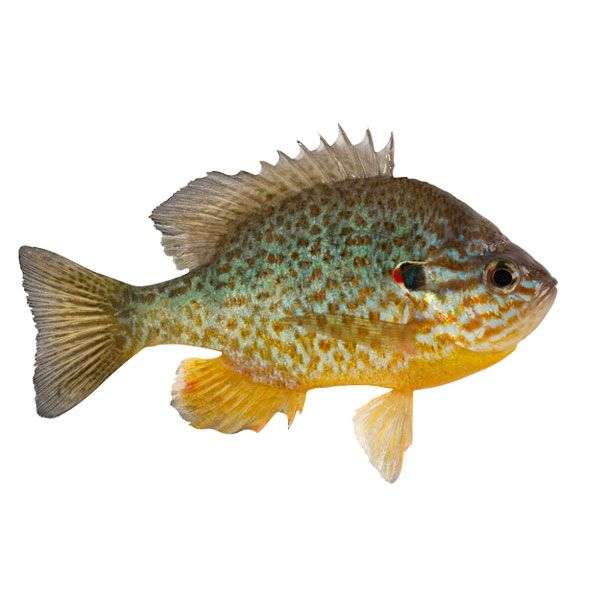
Redear Sunfish
Redear sunfish, or "shellcrackers," are neat little panfish with that distinctive orange-red spot behind their gills. They average 6-10 inches and rarely exceed a pound, but don't let the size fool you - they're scrappy fighters on light tackle. Unlike their bluegill cousins, redears are bottom feeders that love deeper water near structure like fallen logs and vegetation. Late spring spawning season is prime time when they move shallow to nest. What's cool about them is their specialized teeth that crush snails and small mussels - they're like underwater nutcrackers. They're not bait-shy and make good eating too. Here's the key: fish the bottom with a small sinker since they rarely come up in the water column. Drop your bait down, let it sit, then give it tiny twitches. Patience pays off with these guys.
About the Vexus VX21 21ft

Vehicle Guest Capacity: 3
Manufacturer Name: Mercury
Maximum Cruising Speed: 25
Number of Engines: 1
Horsepower per Engine: 150