/filters:format(jpeg,png)/fit-in/300x300/guide_websites/131561/images/69144189_2238004852934656_3619788142032191488_n.jpg)
/filters:format(jpeg,png)/fit-in/237x80/guide_websites/131561/images/69144189_2238004852934656_3619788142032191488_n.jpg)
Kelp Bass Fishing Charter in Garden Grove, California
Kelp Bass Fishing in Garden Grove - What to Expect
%2F%2Fusers%2F265278e2-0776-479e-9581-d8125fa9d6ce%2Fimages%2Fgarden-grove-kelp-bass-catch-2773.jpg&w=1920&q=75)
Fishing Activity Charter by Captain Riley Ngy in May
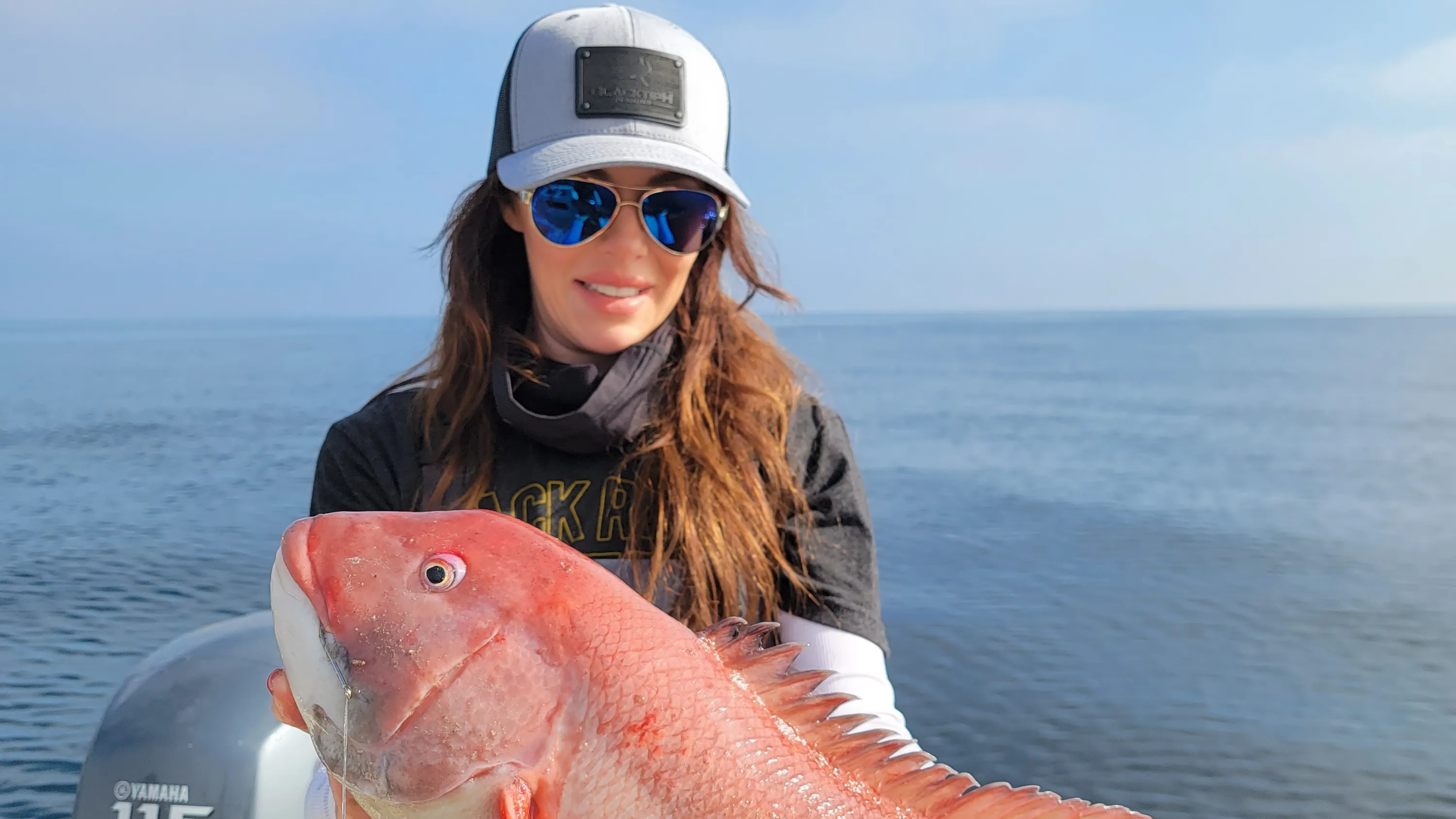
Meet your Captain Riley Ngy
- Long Beach & Southern California Fishing Charters


Summary
Landing a kelp bass on a Wednesday in May made for an unforgettable fishing activity charter off the California coast. Captain Riley Ngy of Big Bass Dreams Sportfishing guided us through Garden Grove's prime fishing waters, where kelp bass thrive in the rocky offshore structure. This fishing activity charter delivered the kind of real action and local expertise that keeps anglers coming back.
Fishing Activity Charter with Captain Riley Ngy - Rates & Booking
Captain Riley Ngy of Big Bass Dreams Sportfishing took us out on Wednesday, May 20th for a fishing activity charter that delivered solid results. The experience showcased why Garden Grove waters remain a favorite destination for kelp bass enthusiasts. Captain Riley's local knowledge of the rocky offshore areas where kelp bass congregate made the difference in finding and landing quality fish.
Our charter focused on efficient, action-packed fishing in prime kelp bass habitat. Captain Riley provided guidance on technique and helped position us for the best opportunities. This is the kind of personalized fishing activity charter where the guide's expertise and familiarity with local conditions directly impacts your success on the water.
To book your own fishing adventure with Big Bass Dreams Sportfishing, reach out directly for current rates and availability. Captain Riley can customize outings based on your skill level and target species preferences.
Highlights of Garden Grove Fishing Charters
The kelp bass we brought in showed the quality of fish living in Garden Grove's offshore structure. These waters offer consistent action throughout the season, particularly around rocky bottom and kelp-covered areas where bass hunt for food. Captain Riley's familiarity with these specific zones gives him a significant advantage in reading conditions and positioning anglers for success.
The experience captures what makes Southern California fishing compelling - proximity to productive grounds, reliable fish populations, and guides who understand local dynamics. Whether you're targeting kelp bass or exploring other opportunities in these waters, the charter atmosphere combined with Captain Riley's local expertise creates memorable time on the water.
Local Species Insights: Kelp Bass
Kelp bass thrive in the rocky, kelp-dominated environments that characterize much of Southern California's offshore landscape. These fish are aggressive hunters that respond well to both live bait and artificial lures, making them a favorite among charter clients. They typically inhabit depths ranging from 20 to 60 feet, staying close to rocky outcrops and kelp forests where they hunt smaller fish.
Garden Grove's waters provide ideal kelp bass habitat due to the abundance of natural structure and consistent populations. The fish display strong seasonal patterns, with spring through early fall representing peak activity periods. Their proximity to the coast makes them accessible via charter boats while still offering genuine fishing challenge and excitement.
What makes kelp bass particularly rewarding is their behavioral response - they strike decisively when properly presented with bait or lures near their holding structure. Captain Riley's understanding of where these fish position themselves throughout the day and season translates directly into better hookup rates and more consistent action. This knowledge base represents the difference between random fishing and targeted success.
The kelp bass caught on this trip reflects healthy populations in Garden Grove waters. These fish grow to respectable sizes in this environment, with many exceeding three pounds. Their fighting ability and table quality make them prized targets for both recreational anglers and those looking to bring home fresh fish for dinner.
Plan Your Fishing Day
A typical fishing activity charter with Captain Riley operates from Big Bass Dreams Sportfishing, departing from the Collinsville area for Garden Grove waters. You'll be working the rocky bottom structure and kelp-covered areas that hold kelp bass during your time on the water. Captain Riley handles positioning and navigation, allowing you to focus on fishing presentation and reading your equipment.
The charter accommodates small groups, with Captain Riley managing tackle setup, fishing guidance, and all aspects of the operation. Bring sun protection, comfortable clothing for conditions on the water, and an open mind for adjusting tactics based on what the fish are doing. Your success depends partly on conditions and partly on responsive fishing decisions - Captain Riley manages the variables he can control and helps you respond effectively to what develops.
Fishing Activity in California : Kelp Bass
Kelp Bass Overview
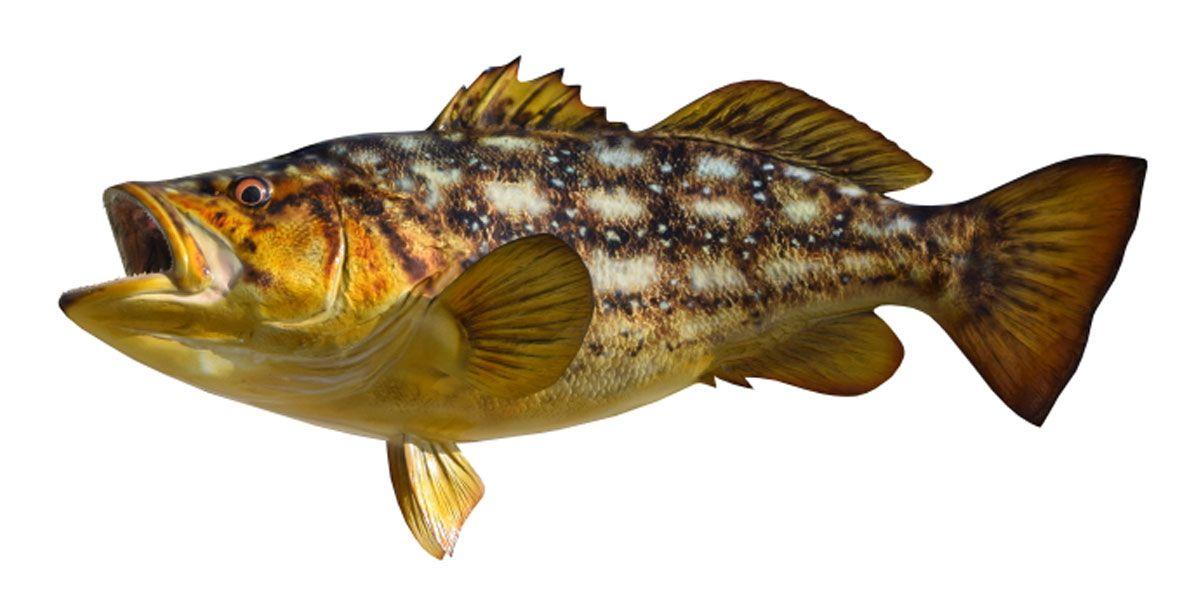
The Kelp Bass (Paralabrax clathratus), also affectionately known as the bull bass or calico bass, is a fascinating marine ray-finned fish belonging to the family Serranidae and order Perciformes. This saltwater species is instantly recognizable by its distinctive calico-like spotting pattern on the underside of its belly, which sets it apart from other marine bass species. Found throughout Southern California waters, particularly in Los Angeles, Orange County, and San Diego, the Kelp Bass is a beloved target for both recreational and experienced anglers. The fish's name comes from its strong association with kelp forest habitats, where these spirited fighters spend most of their lives. What makes this species particularly special is the combination of its striking appearance—olive green adults with pale yellow head spots and rows of rectangular white markings—and its aggressive feeding behavior that makes it an exciting challenge to catch.
Kelp Bass Habitat and Distribution
Kelp Bass thrive almost exclusively in kelp forest environments, making these underwater gardens their primary home throughout Southern California. You can fish for them year-round in waters from Los Angeles to San Diego, but the real action happens during the warmer months between May and October when these fish are most active and aggressive. The species is commonly found in depths ranging from 8 to 69 feet in shallow waters, though adults have been recorded as deep as 200 feet in deeper rocky habitats. Younger Kelp Bass tend to stay nestled among kelp blades and seaweed in rocky areas for protection, while larger, more mature fish venture into deeper waters where predation is less of a concern. Popular fishing destinations include the waters around Catalina Island and San Clemente Island, where overnight fishing expeditions frequently yield excellent catches. The species is also abundant around breakwaters, sandbars, and rocky structures throughout the Southern California coast, making it accessible to anglers fishing from boats, kayaks, or shore.
Kelp Bass Size and Weight
Typical Kelp Bass range from 12 to 28 inches in length, with most recreational catches falling in the 14 to 20-inch range. The average weight for these fish is between 4 to 14 pounds, though exceptional specimens can occasionally exceed these standards. The maximum weight on record reaches approximately 15 pounds for particularly impressive individuals. Size varies significantly based on age and habitat; younger fish tend to be considerably smaller and lighter, while mature adults dwelling in deeper rocky areas grow to substantial proportions. When targeting Kelp Bass around San Diego or Orange County, expect a decent fight from fish in the mid-teens in length, as these sizes represent healthy, established populations in the region's robust kelp forest ecosystems.
Kelp Bass Diet and Behavior
As carnivorous and piscivorous hunters, Kelp Bass maintain an impressively varied diet that expands significantly as they mature. These aggressive feeders consume other fish, mollusks, crustaceans, marine invertebrates, plankton, and algae, demonstrating remarkable hunting versatility. Interestingly, they even display cannibalistic tendencies, readily consuming smaller members of their own species when the opportunity presents itself. The species exhibits distinct seasonal feeding patterns, with heavier feeding activity occurring during spawning season from May through September, while winter months see reduced feeding intensity. Daily behavior patterns show these fish actively hunting among kelp forests during daylight hours, with feeding intensity often correlating with tide movements and light conditions. Their aggressive strike response and tendency to dash back toward kelp beds immediately after hitting a lure make them thrilling opponents for anglers seeking an active, dynamic fishing experience.
Kelp Bass Spawning and Seasonal Activity
The primary spawning season for Kelp Bass extends from May through September, during which these fish exhibit increased feeding activity and more aggressive behavior toward lures and baits. This heightened period coincides with warmer water temperatures and represents the most reliable window for consistent, productive fishing throughout Southern California. During these months, fish are more willing to chase baits and engage with anglers, making it ideal for both beginners and experienced fishermen. The feeding intensity during spawning months is noticeably heavier compared to winter periods, offering better odds for landing quality catches. While it's entirely possible to catch Kelp Bass between November and April, winter months typically yield fewer strikes and more selective feeding behavior, though large trophy-sized fish remain attainable during these cooler months. The seasonal variation in activity makes spring through fall the prime window for planning fishing trips targeting this species.
Kelp Bass Techniques for Observation and Capture
Light Tackle Drifting and Trolling Method: Kelp Bass are considered a light tackle species, making them accessible to anglers of varying skill levels. The most effective approach involves drifting or trolling through kelp beds using a 7 to 8-foot saltwater rod paired with either a baitcasting or spinning reel. This method works exceptionally well around Los Angeles and Orange County waters where expansive kelp forests provide ideal drifting terrain. Use live or fresh-dead baits such as anchovies, sardines, queenfish, crustaceans, and small arthropods—colors in brown or olive will trigger more strikes. The key to success with this method is maintaining control over your depth and speed while covering productive water systematically.
Still-Fishing from Anchored Boats and Kayaks: A more stationary approach involves anchoring your boat or positioning a fishing kayak directly over kelp beds or rocky structures and presenting baits or artificial lures vertically. This technique is particularly effective for targeting larger, deeper-dwelling adult fish. When an anchored position is established, lures or baits resembling the Kelp Bass's natural diet—small fish and crustaceans—work especially well. Braided fishing line is highly recommended for this method, as it provides the abrasion resistance needed to navigate through kelp without breaking, and offers superior hook-setting power.
Strategic Response to Strike Behavior: The most critical technique when targeting Kelp Bass is understanding their aggressive strike-and-run behavior. Immediately after striking a lure, these fish will dive back toward the nearest kelp bed in a powerful, determined pattern. Experienced anglers immediately apply firm, steady pressure and raise their rod tip aggressively to prevent the fish from reaching the protective cover of the kelp. Using a fluorocarbon leader when fishing over rocks and kelp can help keep fish away from structure, reducing tangles and break-offs. Around San Diego and nearby islands, this anticipatory technique dramatically improves success rates and fish-landing percentages.
Kelp Bass Culinary and Utilization Notes
The Kelp Bass is excellent table fare with a firm, white flesh that ranks among the finest eating fish in Southern California waters. The culinary quality is outstanding, making this species a genuine prize for both the sporting challenge and the dinner table. The flavor is mild to moderate with a delicate sweetness that responds beautifully to simple preparation methods—pan-searing, grilling, or baking with minimal seasoning allows the natural fish flavor to shine through. From a nutritional perspective, Kelp Bass provides excellent protein content and beneficial omega-3 fatty acids, making it a healthy addition to any diet. The firm texture holds up well to various cooking techniques and pairs excellently with citrus, herbs, and light sauces. Sustainability is another positive aspect; Kelp Bass populations remain healthy throughout their range, making them an environmentally responsible choice for anglers seeking both quality eating fish and sporting challenge.
Kelp Bass Frequently Asked Questions
Q: What is the best bait for catching Kelp Bass?
A: Live or fresh-dead anchovies, sardines, and small queenfish are top choices. Crustaceans like small shrimp and pieces of crab also work well. For artificial lures, use colors in brown or olive that mimic the Kelp Bass's natural prey. Match your bait size to the fish you're targeting—smaller baits for juveniles, larger offerings for trophy specimens.
Q: Where can I find Kelp Bass near San Diego or Orange County?
A: Kelp Bass are abundant throughout kelp forests along the entire Southern California coast. Specific hotspots include breakwaters and sandbars near San Diego, Orange County, and Los Angeles. Overnight fishing expeditions to Catalina Island and San Clemente Island frequently produce excellent results. Look for kelp beds in shallow waters between 8 and 69 feet depth, though deeper rocky areas to 200 feet can hold larger fish.
Q: Is Kelp Bass good to eat?
A: Absolutely! Kelp Bass ranks as excellent eating fish with firm, white flesh and mild, delicate flavor. The meat responds beautifully to grilling, pan-searing, or baking. It's nutritious, providing good protein and omega-3 fatty acids, and sustainable populations make it an environmentally responsible choice.
Q: When is the best time to catch Kelp Bass?
A: The most productive season runs from May through September when water temperatures warm and fish feeding activity peaks during spawning season. However, year-round fishing is possible, with large fish still attainable November through April. Early morning and late afternoon periods, combined with favorable tide movements, typically produce the most consistent action.
Q: What rod and reel setup should I use for Kelp Bass?
A: A 7 to 8-foot saltwater rod paired with either a baitcasting or spinning reel is ideal. Use braided fishing line for superior strength and cut-through ability in kelp, or add a fluorocarbon leader to prevent line break-offs on structure. This setup provides the sensitivity to detect strikes and the power to handle the aggressive runs these fish are famous for.
Q: How do I prevent my line from tangling in kelp when fighting a Kelp Bass?
A: The key is immediately applying firm, steady pressure and raising your rod tip aggressively after the strike to prevent the fish from reaching the kelp bed. Use braided line for superior cutting ability if tangles occur, and employ a fluorocarbon leader to help keep the fish away from rocky structures and kelp. Anticipating the fish's strike-and-run behavior is essential for success in kelp forest environments.