/filters:format(jpeg,png)/fit-in/300x300/guide_websites/131561/images/69144189_2238004852934656_3619788142032191488_n.jpg)
/filters:format(jpeg,png)/fit-in/237x80/guide_websites/131561/images/69144189_2238004852934656_3619788142032191488_n.jpg)
Yellowtail Amberjack Caught in Garden Grove CA
Yellowtail Amberjack Fishing in Garden Grove - What to Expect
%2F%2Fusers%2F265278e2-0776-479e-9581-d8125fa9d6ce%2Fimages%2Fyellowtail-amberjack-garden-grove-catch-2736.jpg&w=1920&q=75)
Fishing Activity Charter by Captain Riley Ngy in May
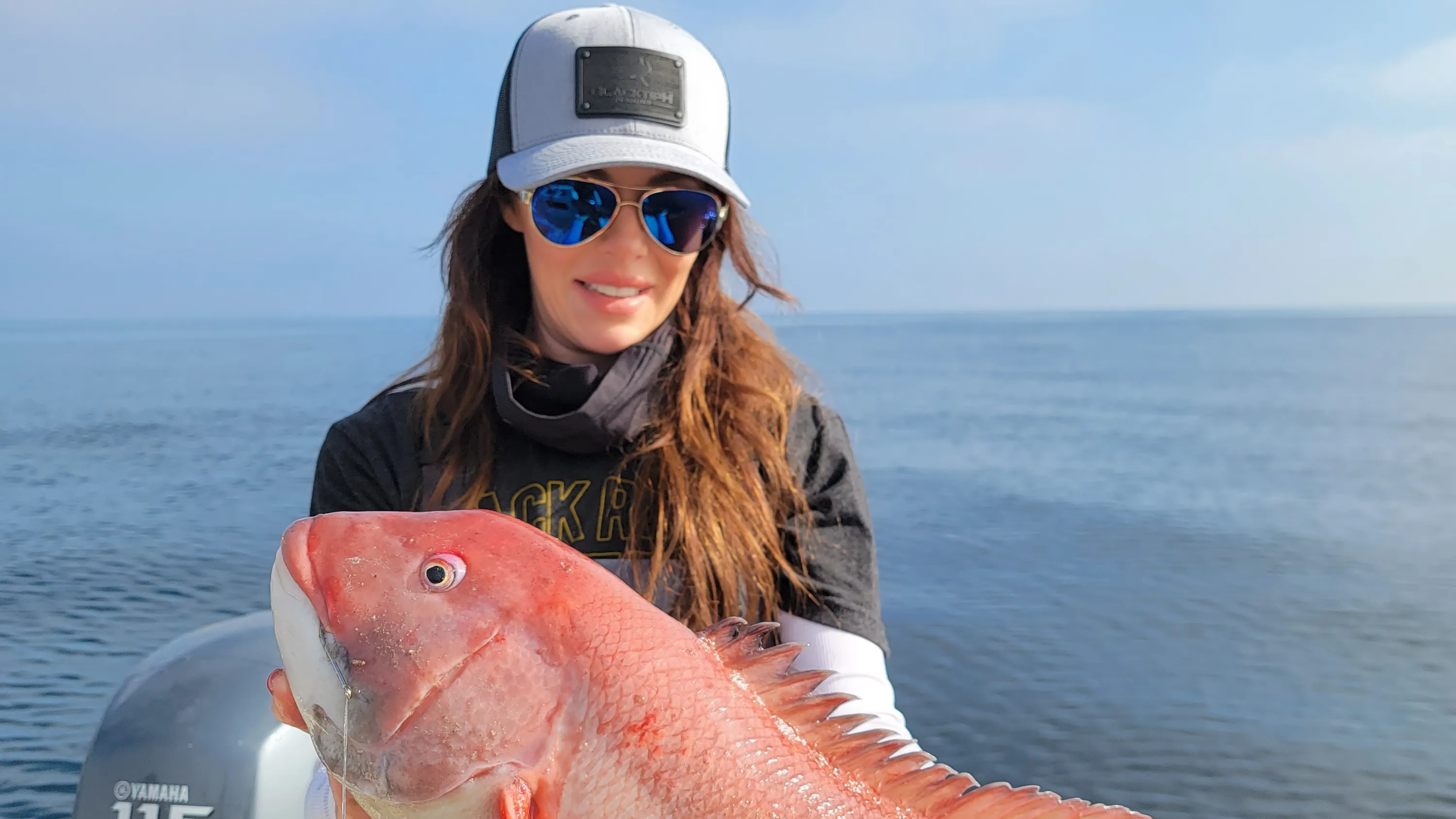
Meet your Captain Riley Ngy
- Long Beach & Southern California Fishing Charters


Summary
Reel in the excitement of a Yellowtail Amberjack catch on this fishing activity charter in Garden Grove, California. Captain Riley Ngy of Big Bass Dreams Sportfishing delivers high-octane action on Wednesday, May 21st with expert techniques, prime offshore grounds, and the thrilling moment when a powerful amberjack strikes hard.
Fishing Activity Charter with Captain Riley Ngy - Rates & Booking
Captain Riley Ngy of Big Bass Dreams Sportfishing leads fishing charters in Garden Grove, California on Wednesday, May 21st. This high-energy fishing activity charter puts you front and center for hard-hitting yellowtail amberjack action. Book your spot today and experience the raw power of these aggressive offshore fighters.
Trust Captain Riley's local expertise and proven methods for landing premium catches. Every charter is equipped with professional-grade gear and the knowledge to maximize your success on the water.
Highlights of Yellowtail Amberjack Fishing
This fishing adventure delivers everything you need for an unforgettable day. The offshore grounds around Garden Grove produce consistent yellowtail amberjack activity, with explosive strikes and intense fights that test both skill and stamina. You'll experience the rush of connecting with a powerful pelagic species in its prime hunting grounds.
Captain Riley positions the boat strategically, using proven techniques to attract and hook fish consistently. The moment of contact - when a yellowtail amberjack engages - is pure adrenaline. These fish fight hard and fast, making every catch a genuine battle.
Local Species Insights: Yellowtail Amberjack
Yellowtail amberjack are aggressive, high-speed predators that inhabit offshore structures and deeper water columns off the California coast. These powerful fish are known for their relentless fighting ability and tendency to strike lures with explosive force. They hunt in schools and respond aggressively to the right presentation, making them ideal targets for anglers seeking non-stop action.
The offshore environment around Garden Grove creates perfect conditions for yellowtail amberjack activity. These fish thrive in deeper waters where current flows strong and baitfish concentrate. Captain Riley knows exactly where to position the boat to intercept feeding schools. When the bite turns on, you'll experience rapid-fire strikes and the intense pressure that comes with landing a powerful offshore fighter.
Understanding amberjack behavior is key to your success. These fish prefer structured areas and will aggressively compete for food sources. They're built for speed and power, with muscular bodies designed for quick direction changes and sustained runs. Every amberjack that hits your line brings maximum challenge and reward.
The fight itself is where the real thrill emerges. Yellowtail amberjack don't surrender easily - they use their strength to make powerful runs and dive hard toward structure. Your technique, your equipment, and your determination all come into play when you're locked into one of these brutes. That's what makes every connection with a yellowtail amberjack so electrifying.
Fishing Activity in California : Yellowtail Amberjack
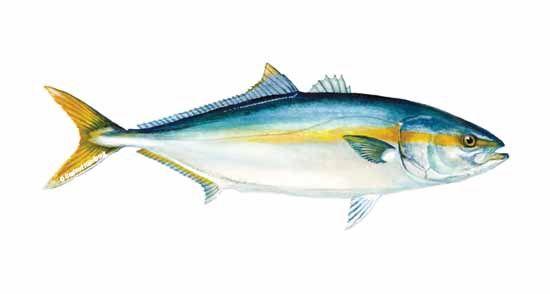
The Yellowtail Amberjack (Seriola lalandi) is a hard-fighting saltwater gamefish belonging to the family Carangidae and order Perciformes. This species is instantly recognizable by its distinctive bright yellow dorsal, pectoral, pelvic, anal, and caudal fins contrasting against a sleek blue, bluish-green, or purplish-green back and shimmering white to silver belly. What makes the Yellowtail Amberjack so special to anglers and coastal communities—especially around Southern California and the Pacific—is not just its striking appearance, but its reputation as a powerful, fast swimmer that will test your skills and equipment. In Japan, this fish is prized for its oily, delicious meat used in premium sushi, and the species is now farmed commercially in Japan, South Korea, and Australia due to its high demand and popularity.
Yellowtail Amberjack Overview
The Yellowtail Amberjack is one of the most sought-after saltwater gamefish in the Pacific Ocean, renowned for its aggressive strikes, powerful runs, and acrobatic battles. This benthopelagic species typically hunts near the bottom but will venture into midwater or surface zones when pursuing prey. Anglers love targeting this fish because it responds readily to a wide variety of baits and lures, making it accessible to both experienced and novice fishermen. The biggest specimen ever recorded by an angler reached an impressive 8.2 feet in length and weighed just over 200 pounds—a testament to the species' potential for trophy-sized catches.
Yellowtail Amberjack Habitat and Distribution
Yellowtail Amberjacks thrive in tropical and temperate Pacific Ocean waters, with particularly high concentrations found along the Southern California coast. Prime fishing zones include the waters around Catalina and San Clemente Islands, Santa Monica Bay, Long Beach, Newport Beach, Dana Point, and San Diego, especially during warm summer months when coastal waters attract larger populations. The species ranges as far south as Baja California Sur in Mexico, where the Cedros and Benitos Islands serve as important spawning grounds. These fish are attracted to complex underwater structures like kelp beds, rocky reefs, wrecks, and other formations where they hunt for crustaceans, small fish, and squid. The benthopelagic nature of this species means it spends much of its time near the seafloor, though it will rise through the water column in pursuit of food or when drawn up by chumming.
Yellowtail Amberjack Size and Weight
While the Yellowtail Amberjack can theoretically grow to enormous sizes—up to 98 inches (8.2 feet) and 96 pounds or more—the typical catch weighs between 15 and 25 pounds. Anglers who fish regularly around Southern California offshore reefs often land specimens in the 15 to 40-pound range, which is still an exciting and respectable size that provides an excellent fight. Occasionally, truly lucky anglers hook into 50 to 96-pound fish, though these are less common. The species grows relatively quickly and can reach substantial sizes within a few years, making each season's population diverse in terms of available sizes for different anglers and fishing techniques.
Yellowtail Amberjack Diet and Behavior
The Yellowtail Amberjack is an aggressive predator with a diverse diet consisting primarily of small fish, crustaceans, and squid. Its feeding behavior is opportunistic and energetic—this species will chase down prey with remarkable speed and agility, making it one of the more exciting fish to observe or pursue. The erratic movements of live bait are particularly attractive to this species, which is why live mackerel, sardines, and anchovies are preferred over dead bait or artificial lures by many experienced anglers. Yellowtail Amberjacks are known to school, especially during feeding frenzies, and their presence is often indicated by other seabirds and marine activity at the surface. They are most active during daylight hours and tend to concentrate around structure during slack tide periods when hunting for food is easiest.
Yellowtail Amberjack Spawning and Seasonal Activity
The Yellowtail Amberjack exhibits excellent spawning capacity with fast reproduction rates, which has allowed populations to recover significantly since commercial restrictions were lifted in the 1980s. Spawning areas in Southern California waters and around Baja California Sur see increased activity during spring and early summer months. The species' long life expectancy combined with its prolific breeding makes it relatively resilient to fishing pressure, though regulations remain in place to ensure sustainable populations. Seasonal patterns show peak fishing activity during summer and early fall when coastal waters warm up and attract larger populations northward into Southern California fisheries. Winter months see reduced activity as water temperatures cool and fish move to deeper, warmer offshore waters.
Yellowtail Amberjack Techniques for Observation and Capture
Live Bait Fishing: For the highest success rate targeting Yellowtail Amberjack, deploy live bait such as mackerel, sardines, or anchovies over kelp beds, rocky reefs, and wreck structures. The erratic swimming patterns of live prey trigger aggressive strikes from this competitive predator. Cast your line and allow the bait to swim naturally while maintaining light pressure on the rod. Around San Diego and Dana Point, live bait fishing during early morning hours over nearshore reefs yields consistent results. Be prepared for a hard fight—use medium to heavy tackle rated for at least 20 to 30-pound test line to handle the fish's powerful runs.
Chumming and Surface Feeding: Since Yellowtail Amberjacks typically hunt near the bottom, chumming with ground fish, mackerel, or squid will draw them toward the surface where they become more accessible. Deploy a steady chum line and position your baited hook in the drift. This technique is particularly effective when fishing offshore reefs and wreck structures. The combination of scent dispersion and visual stimulation from the chum creates an irresistible feeding opportunity that will bring fish from significant depths.
Jigging and Artificial Lures: Vertical jigging with heavy metal jigs (2 to 6 ounces) over deep reefs and wrecks is an excellent technique for contacting Yellowtail Amberjacks holding near structure. Use a moderate to fast jigging rhythm to mimic wounded baitfish, and be ready to set the hook hard when you feel the strike. Soft plastic swimbaits and mackerel-pattern plugs also produce strikes during feeding periods. Around Catalina Island and San Clemente Island, jigging at dawn and dusk over known reef structures is particularly productive.
Yellowtail Amberjack Culinary and Utilization Notes
The Yellowtail Amberjack is renowned for its excellent eating quality, particularly prized in Japanese cuisine where it is the featured fish in premium sushi and sashimi preparations. The meat is distinctly oily with a rich, buttery flavor that holds up well to both raw preparations and cooked applications. The fish's fat content makes it ideal for grilling, baking, or pan-searing, where the oils contribute to a moist, flavorful dish. Nutritionally, the Yellowtail Amberjack is an excellent source of omega-3 fatty acids, high-quality protein, and essential nutrients like selenium and vitamin D. From a sustainability perspective, the species' fast growth rate and successful population recovery make it a responsible choice for consumption compared to slower-growing game fish.
Yellowtail Amberjack Frequently Asked Questions
Q: What is the best bait for catching Yellowtail Amberjack?
A: Live bait is your best bet for consistent success with this species. Fresh mackerel, sardines, and anchovies are highly effective because their natural swimming motions trigger aggressive feeding responses. You can also use chunked bonito or squid if live bait is unavailable, though you'll see better results with swimming baits. Artificials like metal jigs and swimbaits work well too, especially around structure and during active feeding periods.
Q: Where can I find Yellowtail Amberjack near San Diego and Southern California?
A: Yellowtail Amberjacks congregate around kelp beds, rocky reefs, and offshore structure from Long Beach south to San Diego. Catalina Island, San Clemente Island, and the waters around Dana Point and Newport Beach consistently hold good populations, especially during summer months. Nearshore reefs and kelp forests are accessible by private boat or commercial charter, making Southern California an ideal destination for targeting this species.
Q: Is Yellowtail Amberjack good to eat?
A: Absolutely. The Yellowtail Amberjack has excellent eating quality with rich, oily meat that's perfect for sushi, sashimi, grilling, or pan-searing. In Japan, this fish commands premium prices at restaurants and markets. The flavor is buttery and mild, and the omega-3 rich flesh makes it both delicious and nutritious. Most anglers who catch Yellowtail Amberjack keep them for the table.
Q: What tackle do I need for Yellowtail Amberjack fishing?
A: Use medium to heavy spinning or conventional gear rated for 20 to 50-pound test line, depending on the size of fish you expect to encounter. A sturdy rod with a sensitive tip (so you can feel bites) and a reel with smooth drag is essential. Bring heavy-duty gloves—the braided line will cut your hands during extended battles with this powerful fish. Heavier tackle is recommended if you're fishing large baits or targeting bigger specimens.
Q: When is the best time to catch Yellowtail Amberjack?
A: Summer and early fall are prime seasons when water temperatures warm and Yellowtail Amberjacks move into coastal California waters in greater numbers. Early morning and late afternoon tend to be most productive, though they can be caught throughout the day when properly chummed or when targeting structure during feeding windows. Spring also offers decent opportunities as spawning activity increases.
Q: How do I handle Yellowtail Amberjack when reeling it in?
A: Never reel too fast or too forcefully—this can alarm the fish and cause it to panic and dive deep into reefs where your line may snap. Instead, use steady, controlled pressure, working the rod with even pumping motions. Watch carefully for any attempt to escape into deeper structure, and be ready to adjust your drag. Always wear gloves when handling braided line for extended periods, as the fish's powerful runs can cause severe hand injuries on unprotected skin.